AI in Professional Services Operations
Introduction to AI
What Is Artificial Intelligence?
Artificial intelligence, or AI, is the science of making machines that can think like humans. The goal is to create systems that can learn from experience, solve problems, understand language, and perceive the world around them. Think of it less like a single technology and more like a broad field of study, similar to biology or mathematics.
At its core, AI is about creating algorithms—sets of rules or instructions—that allow a computer to draw conclusions from data. Instead of being programmed for one specific task, an AI system is designed to recognize patterns. This allows it to make predictions, decisions, or classifications on its own.
AI doesn't just follow instructions; it learns from data to perform tasks that typically require human intelligence.
A Quick Trip Through Time
The dream of intelligent machines isn't new. The term "artificial intelligence" was coined back in 1956 at a workshop at Dartmouth College. Early researchers were optimistic, believing a machine with human-like intelligence was just a few decades away. But progress was slow.
The field went through several cycles of excitement followed by disappointment, often called "AI winters." Funding would dry up when grand promises didn't lead to immediate results. This all changed in the last couple of decades. Two key factors sparked the current AI boom: the explosion of digital data and the availability of powerful, affordable computing.
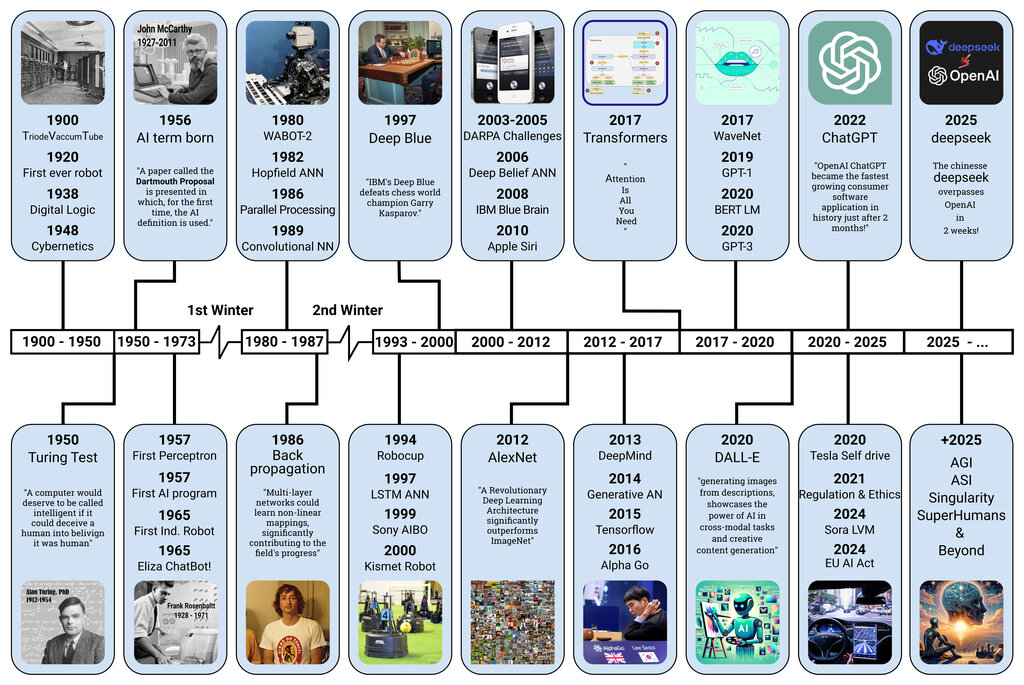
With massive datasets to learn from and the hardware to process it all, AI has moved from a theoretical concept to a practical tool that is reshaping our world.
The Building Blocks of AI
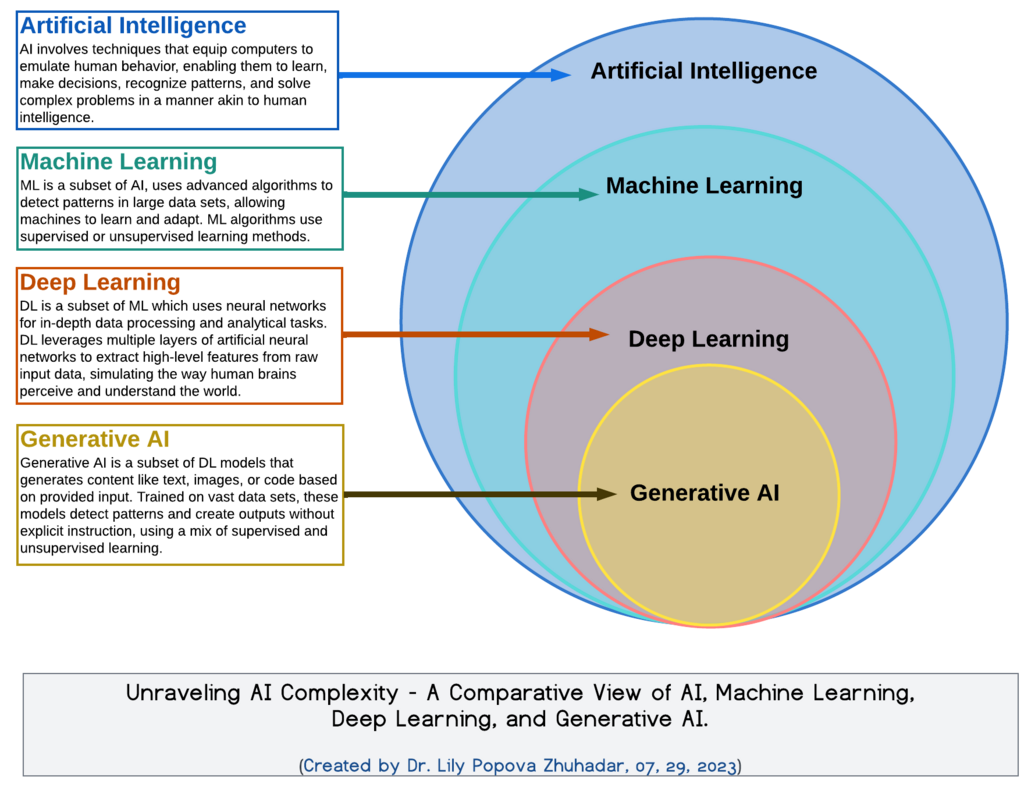
AI is a big umbrella, and under it are several important subfields. Let's look at three of the most significant components.
Machine Learning
noun
A subset of AI where systems learn directly from data to find patterns and make decisions, without being explicitly programmed for the task.
Machine learning (ML) is the engine that powers most modern AI. Instead of a developer writing code for every possible scenario, they feed an ML model vast amounts of data. The model learns the underlying patterns on its own. It's like teaching a child to recognize a dog by showing them thousands of pictures of dogs, not by describing a dog's features in words.
Natural Language Processing
noun
The branch of AI that gives computers the ability to understand, interpret, and generate human language.
Natural Language Processing, or NLP, bridges the gap between human communication and computer understanding. Anytime you talk to a virtual assistant, use a translation app, or see a grammar suggestion in your document, you're interacting with NLP.
Hello, World
Computer Vision
noun
The field of AI that trains computers to interpret and understand information from images and videos.
If NLP gives machines ears and a mouth, computer vision gives them eyes. This technology allows AI systems to "see" the world. They can identify objects in a photo, detect faces in a crowd, or read text from a scanned document. It's a complex task that involves recognizing shapes, colors, and patterns just like our own brains do.
What is the fundamental goal of artificial intelligence?
What were the historical periods of reduced funding and interest in AI research known as?
These three components—machine learning, NLP, and computer vision—are the foundations of modern AI. By understanding them, you can start to see how artificial intelligence works behind the scenes in so many of the tools we use every day.