AI in Primary Education
Introduction to AI
What is AI?
Artificial intelligence isn't just about robots in movies. It's a field of computer science focused on creating systems that can perform tasks that normally require human intelligence. Think of things like learning from experience, solving problems, understanding language, and recognizing patterns.
Artificial Intelligence
noun
The theory and development of computer systems able to perform tasks that normally require human intelligence, such as visual perception, speech recognition, decision-making, and translation between languages.
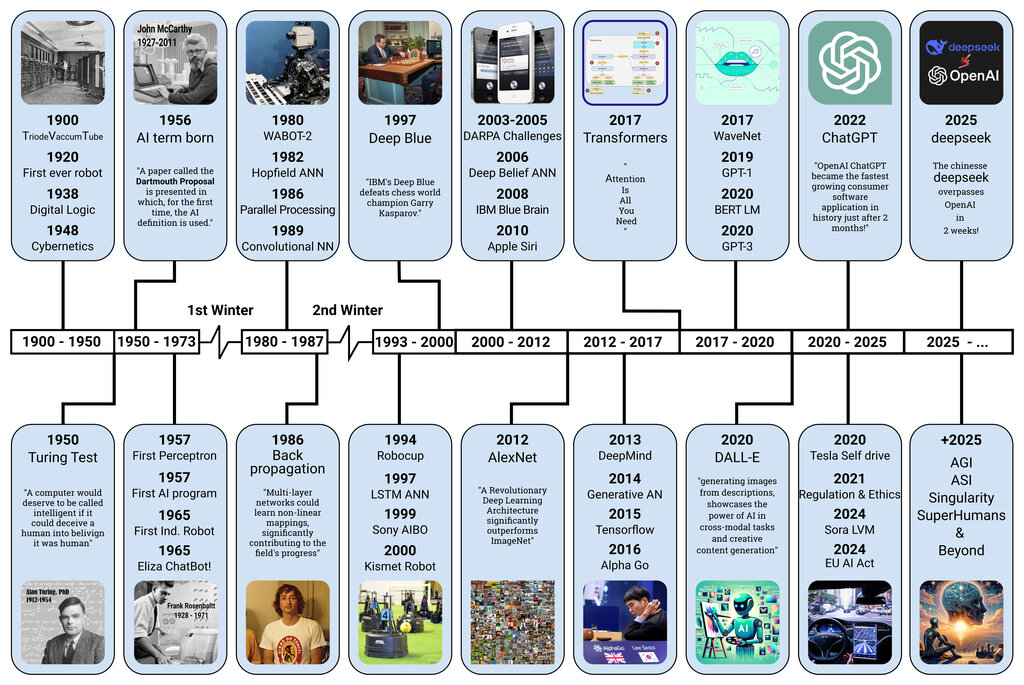
The dream of creating intelligent machines has been around for a long time, but the field of AI officially began in the 1950s. Early researchers were optimistic, believing they could create human-like intelligence in just a few decades. The journey turned out to be much more complex, with periods of exciting progress followed by lulls in funding and interest. Recent breakthroughs, driven by powerful computers and massive amounts of data, have brought AI out of the lab and into our daily lives.
How AI Works
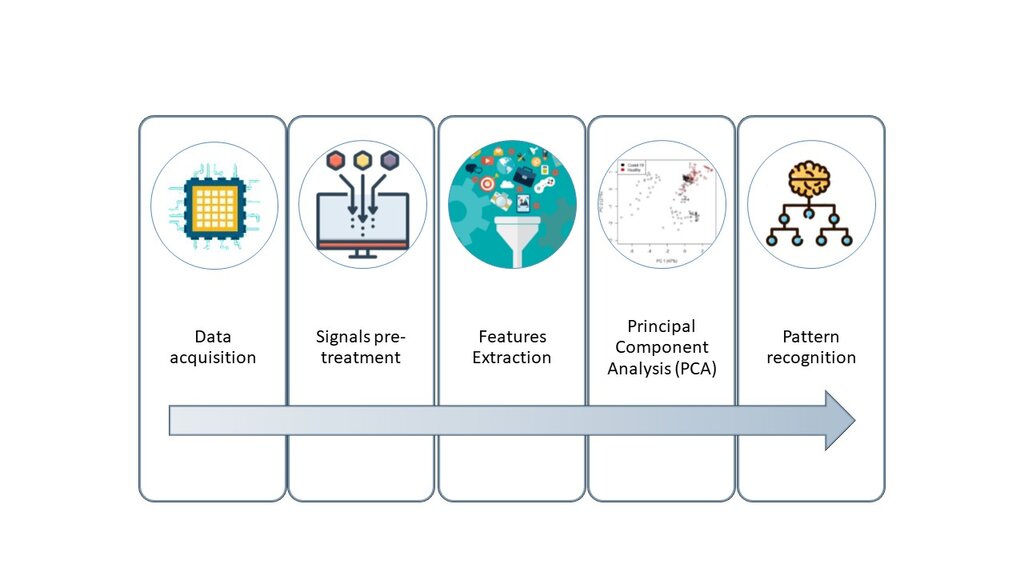
At its core, most modern AI works by finding patterns in data. You can think of it like teaching a child. You don't give a toddler a textbook on grammar; they learn to speak by listening to examples and figuring out the rules on their own.
Similarly, an AI system is 'trained' by feeding it vast amounts of data—images, text, or numbers. An algorithm, which is a set of rules for the computer to follow, processes this data and learns to identify patterns or make predictions. For example, to teach an AI to recognize a cat, developers would show it thousands of pictures labeled 'cat'. The algorithm learns the common features of these images, like pointy ears and whiskers, until it can spot a cat in a new, unlabeled picture.
Think of it this way: Data is the textbook, and the algorithm is the learning process. Together, they create intelligence.
This process involves a few key steps: acquiring data, preparing it for the machine, letting the algorithm extract features and patterns, and finally, using the resulting 'model' to make a decision or prediction.
Narrow vs. General AI
When people talk about AI, they are often referring to two very different concepts. It's important to distinguish between the AI we have today and the AI we see in science fiction.
| Type | Description | Examples |
|---|---|---|
| Narrow AI (ANI) | Designed and trained for one specific task. It operates within a limited context and can't perform tasks beyond its field. | Voice assistants (Siri, Alexa), spam filters, GPS navigation, chess-playing computers. |
| General AI (AGI) | A hypothetical type of AI that possesses human-like intelligence. It could understand, learn, and apply knowledge across a wide range of tasks. | This does not exist yet. It's the kind of AI often depicted in movies, like the android Data from Star Trek. |
Every AI application you interact with today is a form of Narrow AI. It might seem incredibly smart, but it's only smart within its specific domain. A GPS can find the fastest route to your destination, but it can't write a poem or diagnose a medical condition. The quest to build Artificial General Intelligence is one of the biggest challenges in computer science, and we are likely still a long way from achieving it.
AI in Your Daily Life
You might be surprised by how often you already use AI. It works quietly in the background of many tools and services, making them more helpful and efficient.
When you get a movie recommendation on a streaming service, that's AI analyzing your viewing habits to predict what you might like. When you unlock your phone with your face, that's AI recognizing your unique facial features. Email services use AI to filter out spam, and navigation apps use it to predict traffic and suggest faster routes.
Even a simple web search uses sophisticated AI to understand your question and rank billions of pages to find the most relevant answer in a fraction of a second. As educators, understanding these everyday applications is the first step toward seeing how similar technologies could one day assist in the classroom.
Ready to check your understanding of these core concepts?
What is the primary goal of the field of Artificial Intelligence?
Most modern AI systems learn by being explicitly programmed with every rule for every possible situation.
Now that you have a grasp of the basics, you're ready to explore how these ideas can be applied in an educational setting.