AI in Podcasting
Introduction to AI in Podcasting
The New Voice in Podcasting
Podcasting has exploded. What started as a niche hobby for audio enthusiasts has become a global medium for storytelling, news, and entertainment. At its heart, it's a deeply human format, built on the power of voice and conversation. But a new partner is stepping up to the microphone: Artificial Intelligence.
When we talk about AI, we're not talking about sentient robots from science fiction. In simple terms, AI refers to computer systems designed to perform tasks that typically require human intelligence. This includes things like understanding language, recognizing patterns, and making decisions. Think of it as a smart assistant that can handle complex, repetitive tasks, freeing up creators to focus on what they do best: creating.

The integration of AI into podcasting isn't about replacing the host. Instead, it's about streamlining the entire workflow, from the initial idea to the final product that reaches your ears. It's making podcasting more accessible for newcomers and more efficient for seasoned pros.
From Simple Feeds to Smart Tools
For years, AI has worked quietly in the background of the media we consume. When a music streaming service suggests a new artist you might like or a video platform recommends the next clip to watch, that's AI at work. It analyzes your listening habits and compares them to millions of others to make an educated guess about what you'll enjoy.
Initially, podcasting technology was much simpler. It was mostly about RSS feeds that delivered audio files to your device. But as the industry grew, so did the challenges. Creators spend countless hours editing audio, writing show notes, and promoting their episodes. This is where modern AI tools have started to make a significant impact, moving from a passive recommendation role to an active part of the creation process.
How AI Is Changing the Game
AI's influence on podcasting can be seen across the entire production lifecycle. It's like having a team of assistants working behind the scenes.
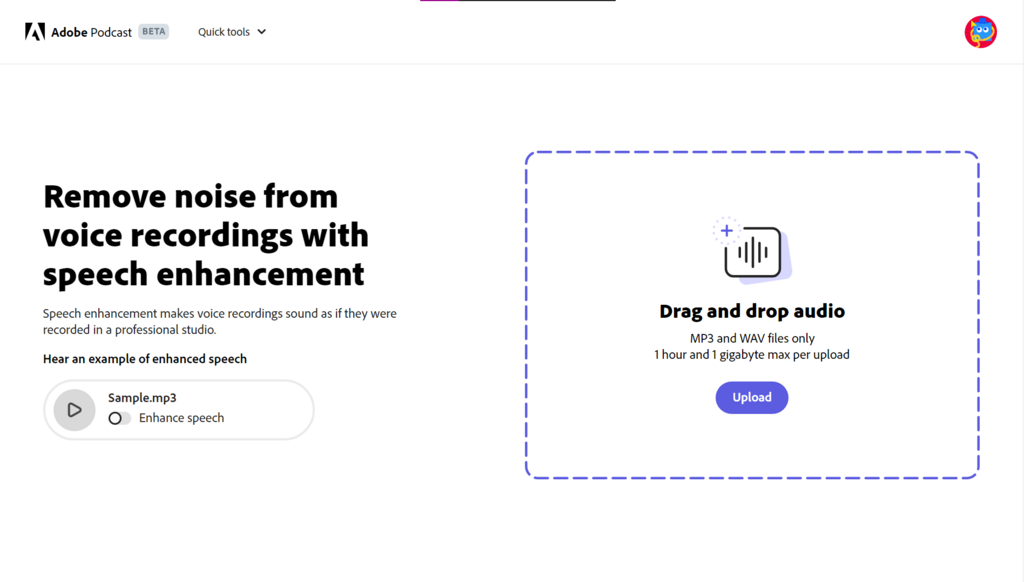
One of the most immediate benefits is in audio enhancement. AI can automatically remove background noise, level out volumes, and even edit out filler words like "um" and "ah" with remarkable accuracy. A task that once took hours of meticulous manual editing can now be done in minutes.
Beyond editing, AI is a powerful tool for content management. It can generate accurate transcripts of episodes almost instantly. This not only makes podcasts accessible to people who are deaf or hard of hearing but also improves their discoverability. Search engines can't listen to audio, but they can crawl text. A transcript makes an episode's content searchable, helping new listeners find it.
AI also helps creators repurpose their content. It can automatically generate summaries, highlight key moments, and suggest clips for social media promotion. This allows a single episode to reach a wider audience across different platforms without adding hours of extra work for the creator.
By incorporating AI-driven elements into your scripts, you can leverage the capabilities of AI technology to create a truly immersive and distinctive podcasting experience.
Finally, AI is personalizing the listening experience. Just like with music and video, AI algorithms analyze listening habits to recommend new podcasts. This helps listeners discover shows they'll love and helps creators find their target audience. Some tools are even pioneering AI-powered voice translation, which could one day make any podcast accessible to a global audience in their native language.
Now, let's test your understanding of how AI is shaping the world of podcasting.
What is the primary role of AI in the podcasting workflow?
True or False: The use of AI in media is a recent development that began with modern podcasting tools.
AI is not taking the human element out of podcasting. It's enhancing it, handling the tedious work so creators can focus on research, storytelling, and connecting with their audience.