AI in Payment Infrastructure with Google UCP
Introduction to AI in Payments
The AI Revolution in Payments
Artificial intelligence, or AI, is the science of making machines that can think like humans. It's not about creating conscious robots from movies. Instead, it's about teaching computers to recognize patterns, make decisions, and learn from data. Think of it as giving a computer a brain that can solve problems on its own, without being explicitly programmed for every single step.
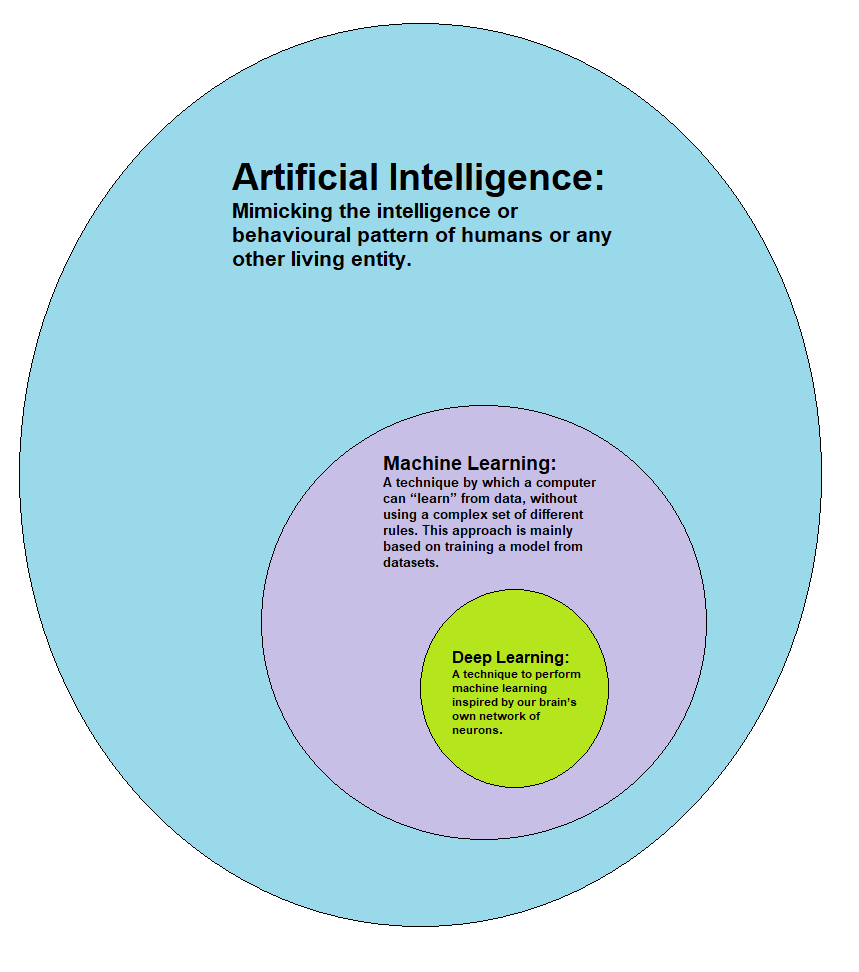
At its core, AI uses different techniques to achieve this intelligence. The most important one for payments is Machine Learning (ML). ML algorithms sift through massive amounts of data to find trends and make predictions. It’s like a detective that gets better at spotting clues with every case it solves. Other key technologies include Natural Language Processing (NLP), which helps computers understand human language (powering chatbots), and Computer Vision, which allows them to interpret images (like scanning a check with your phone).
From Barter to Bots
Payment systems have come a long way. We started with trading goods, then moved to coins, paper money, and checks. The 20th century brought credit cards, which felt revolutionary. Then came the internet, and with it, online banking and digital wallets.
Each step made transactions faster and more convenient. But this digital shift also created new problems. How do you verify someone's identity online? How do you process millions of transactions a second while catching the fraudulent ones? The sheer volume and speed of modern payments became too much for humans and simple rule-based software to handle effectively. This is where AI stepped in.
AI is what transforms a basic transaction platform into a predictive, automated, intelligent system.
Smarter, Faster, Safer Payments
Integrating AI into payment systems brings powerful benefits. The most significant is fraud detection. Traditional systems use fixed rules, like flagging a transaction from a new country. But criminals adapt quickly. AI, on the other hand, learns an individual's spending habits. It can spot tiny anomalies that signal fraud, like a small purchase at a strange time of day, and block it in real-time.
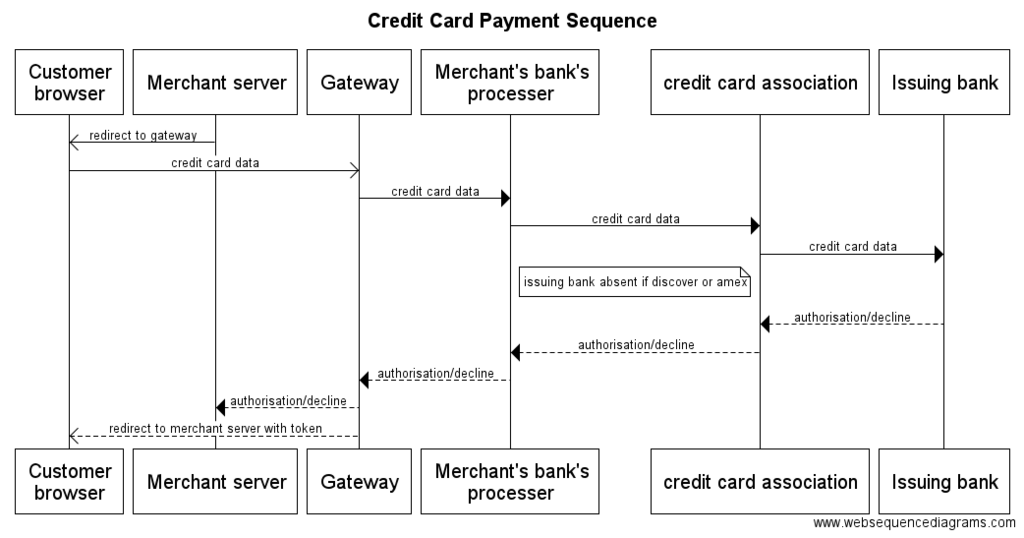
AI also dramatically improves the customer experience. Instead of waiting on hold, you can talk to an AI-powered chatbot that resolves your issue instantly. These bots use NLP to understand your questions and provide helpful answers 24/7. AI also personalizes services, offering relevant rewards or payment plans based on your history.
Behind the scenes, AI boosts operational efficiency. It automates repetitive tasks like data entry and transaction reconciliation, freeing up human employees to handle more complex issues. This reduces errors, cuts costs, and speeds up the entire payment process from start to finish.
The Hurdles Ahead
Adopting AI isn't without its challenges. A major concern is data privacy. AI systems need vast amounts of data to learn, but this data must be protected and used responsibly. Companies must navigate complex regulations to ensure they aren't misusing customer information.
Another critical issue is algorithmic bias. If the historical data used to train an AI model contains biases, the AI will learn and perpetuate them. For example, a loan approval algorithm could unfairly deny applications from certain demographics if it's trained on biased data. Ensuring fairness and transparency in AI decision-making is a complex but essential task.
Finally, the world of finance is highly regulated. As AI technology evolves, regulators are working to create new rules to govern its use. Companies must stay on top of these changing compliance requirements to avoid legal trouble. Balancing innovation with safety and ethics is the key challenge for the future of AI in payments.
Now, let's test your knowledge on these foundational concepts.
According to the text, what is the primary goal of Artificial Intelligence?
Which AI technology is identified as the most important for the payments industry?