AI in Operations
Introduction to AI in Operations
What is AI?
Artificial Intelligence, or AI, is the science of making machines that can think like humans. The goal is to create systems that can perform tasks that normally require human intelligence, like learning, reasoning, problem-solving, and understanding language.
The idea isn't new. The term "Artificial Intelligence" was first coined in 1956. Early AI research explored problems like playing chess and proving mathematical theorems. For decades, it was a slow-moving field, limited by computing power. But in recent years, with the rise of big data and powerful processors, AI has exploded from research labs into our daily lives.
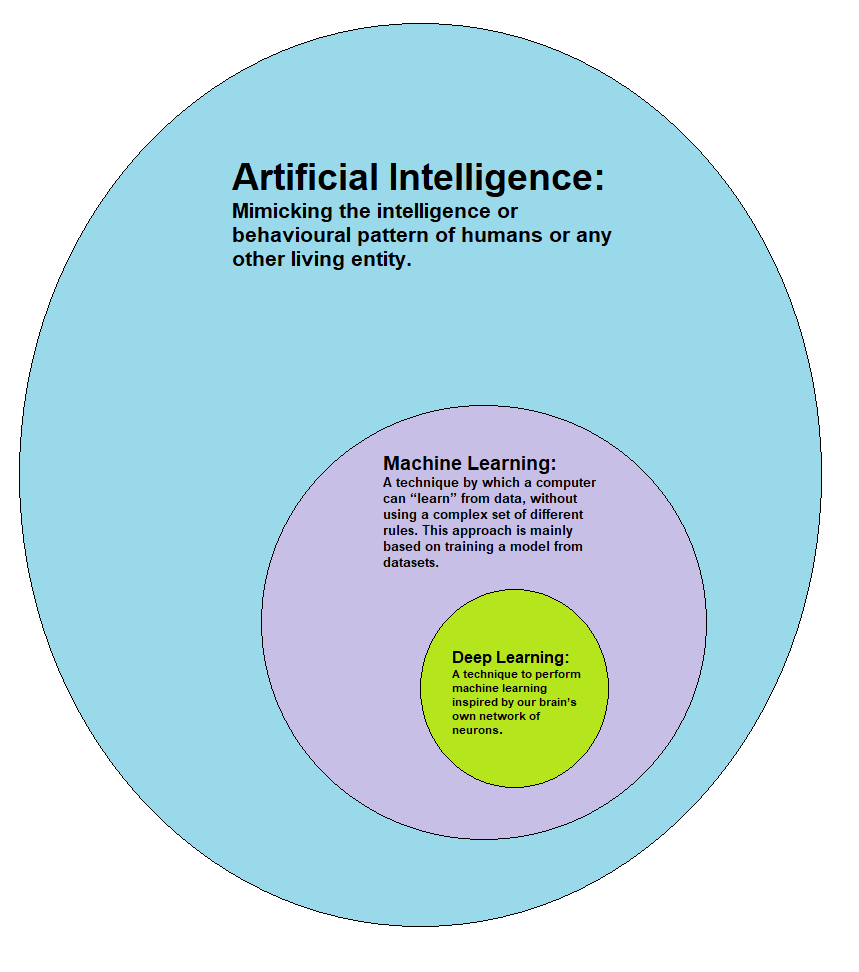
Today, AI isn't just one thing. It's a broad field with many sub-disciplines. Think of it as an umbrella term that covers a range of methods and technologies that give computers the ability to learn and make decisions.
The Tools of AI
Several key technologies power modern AI. You don't need to be a programmer to understand the basic ideas behind them. Let's look at three of the most important ones.
Machine Learning
noun
A type of AI that gives computers the ability to learn from data without being explicitly programmed.
Instead of writing rules for a computer to follow, machine learning (ML) involves feeding it huge amounts of data and letting it figure out the patterns on its own. It's like teaching a child to recognize a cat by showing them thousands of pictures of cats, rather than by describing what a cat is.
Natural Language Processing (NLP) is all about teaching computers to understand, interpret, and generate human language. If you've ever used a voice assistant like Siri or Alexa, you've interacted with NLP.
Finally, there's Computer Vision. This field trains AI to interpret and understand the visual world. Using digital images from cameras and videos, machines can identify and locate objects, then react to what they "see." It's the technology that powers self-driving cars and facial recognition systems.
AI in Action
Artificial Intelligence (AI) is revolutionizing industries through automation, enhancing efficiency, reducing costs, and improving decision-making.
The biggest impact of AI in business is on operations. By automating tasks and providing deep insights from data, AI helps companies run smoother, faster, and more efficiently. Let's look at a few examples.
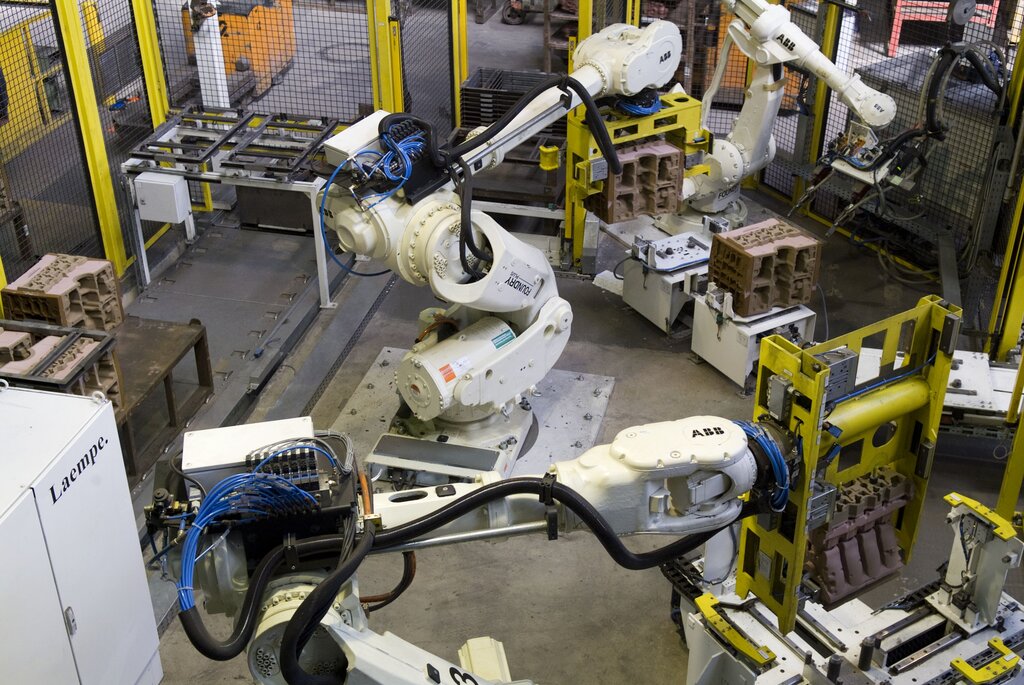
In manufacturing, AI is used for predictive maintenance. Sensors on factory equipment collect data, and an AI model analyzes it to predict when a machine is likely to fail. This allows for repairs to be scheduled before a breakdown occurs, saving time and money. AI-powered cameras also perform quality control, spotting defects on an assembly line far more accurately than the human eye.
The finance industry uses AI to detect fraudulent transactions in real-time. By analyzing millions of transactions, ML models can learn what normal behavior looks like and flag anything suspicious. AI algorithms also drive high-frequency trading, making split-second decisions to buy or sell stocks based on market data.
In healthcare, computer vision helps radiologists analyze medical images like X-rays and MRIs, identifying potential signs of disease that a doctor might miss. AI is also accelerating drug discovery by analyzing complex biological data to identify promising new compounds for medicines.
These are just a few examples. Across nearly every industry, AI is being used to optimize processes and make smarter, data-driven decisions.
Now, let's test your understanding of these core concepts.
What is the primary goal of Artificial Intelligence (AI)?
How does Machine Learning (ML) primarily enable a computer to perform a task?
As you can see, AI is not a single technology but a collection of powerful tools that are reshaping how businesses operate. Understanding the fundamentals is the first step to harnessing its potential.