AI in Mental Health Professional Practice
Introduction to AI in Mental Health
What is AI?
Artificial Intelligence, or AI, is a broad field of computer science focused on creating systems that can perform tasks that typically require human intelligence. This includes things like learning, reasoning, problem-solving, and understanding language. Rather than a single technology, AI is an umbrella term for many different methods and tools.
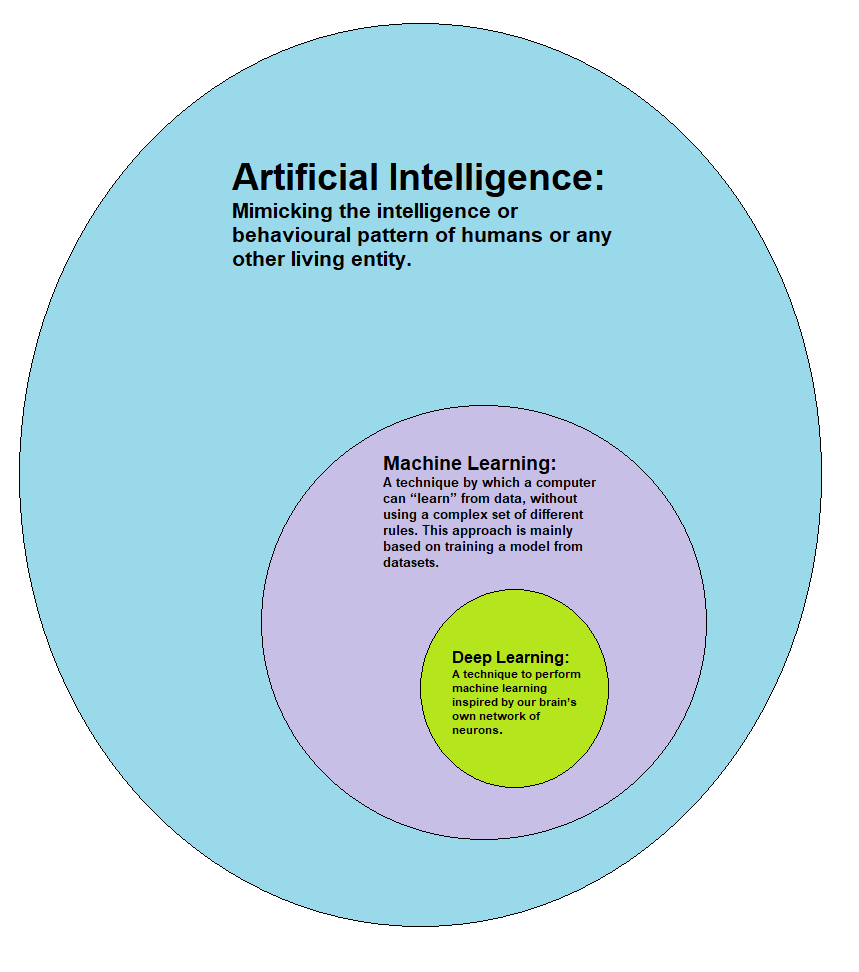
For mental health, two areas of AI are particularly important: Machine Learning and Natural Language Processing.
Machine Learning
noun
A type of AI that allows a computer system to learn and improve from experience without being explicitly programmed. It identifies patterns in data to make predictions.
Think of Machine Learning (ML) like a clinical intern. At first, the intern reviews many past cases—not by memorizing each one, but by learning the patterns that connect certain symptoms to specific diagnoses. Over time, the intern gets better at recognizing these patterns in new patients. ML models do the same, but with vast amounts of data. They can analyze thousands of data points to find subtle connections that might be missed by a human observer.
Natural Language Processing (NLP) is the other key piece. It's a branch of AI that helps computers understand, interpret, and generate human language. If ML is about finding patterns, NLP is about understanding the content—the words, sentiments, and context in conversations or written text.
Current AI Applications
So how are these technologies actually being used in mental health? The applications are growing, but most fall into a few key categories.
- Support and Triage: AI-powered chatbots can offer 24/7 support for individuals experiencing mild distress. They use NLP to understand user concerns and can provide coping strategies or, if necessary, recommend seeking help from a human professional. They act as a first line of contact, making support more accessible.
- Monitoring and Prediction: Wearable devices and smartphone apps can collect data on sleep patterns, social interaction, and physical activity. ML models can analyze this passive data to detect changes in behavior that might signal a decline in mental well-being, potentially predicting a crisis before it happens.
- Clinical Insights: AI can analyze session transcripts (with consent) or clinical notes to identify key themes, track symptom severity, or measure the use of specific therapeutic techniques. This gives therapists an objective way to review progress and tailor treatment plans.
Benefits and Challenges
Integrating AI into mental health care comes with significant potential benefits. The most obvious is accessibility. AI tools can provide immediate, low-cost support to people who might otherwise face long wait times or be unable to afford traditional therapy. They can also offer objective, data-driven insights to supplement a clinician's judgment, helping to personalize care more effectively.
The adoption of Artificial Intelligence (AI) in the healthcare service industry presents numerous ethical challenges, yet current frameworks often fail to offer a comprehensive, empirical understanding of the multidimensional factors influencing ethical AI integration.
However, the challenges are just as significant. One of the biggest is algorithmic bias. If an AI model is trained on data that isn't representative of the entire population, its predictions and recommendations may be inaccurate or unfair for certain demographic groups. For example, a model trained primarily on data from one cultural group may misinterpret expressions of distress from another.
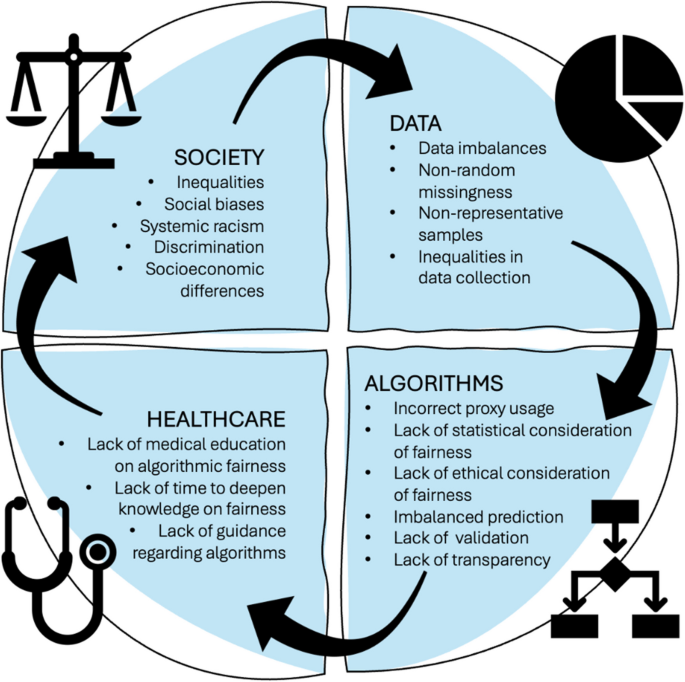
Patient privacy is another major concern. Storing and analyzing sensitive mental health data requires robust security to prevent breaches. Finally, there's the question of the human element. Empathy, connection, and therapeutic alliance are core to mental health care. AI can be a powerful tool, but it cannot replace the nuanced understanding and compassion of a human therapist.
Let's review what we've covered.
Which two areas of Artificial Intelligence are highlighted as being particularly important for mental health applications?
What is the primary role of AI-powered chatbots in mental health, as described in the text?