AI in Manufacturing
Introduction to AI in Manufacturing
The Smart Factory
When you think of a factory, you might picture a noisy assembly line with people and machines working side-by-side. Now, imagine that factory is getting smarter. The machines aren't just performing repetitive tasks; they're learning, adapting, and making decisions on their own. This is the core idea of artificial intelligence (AI) in manufacturing.
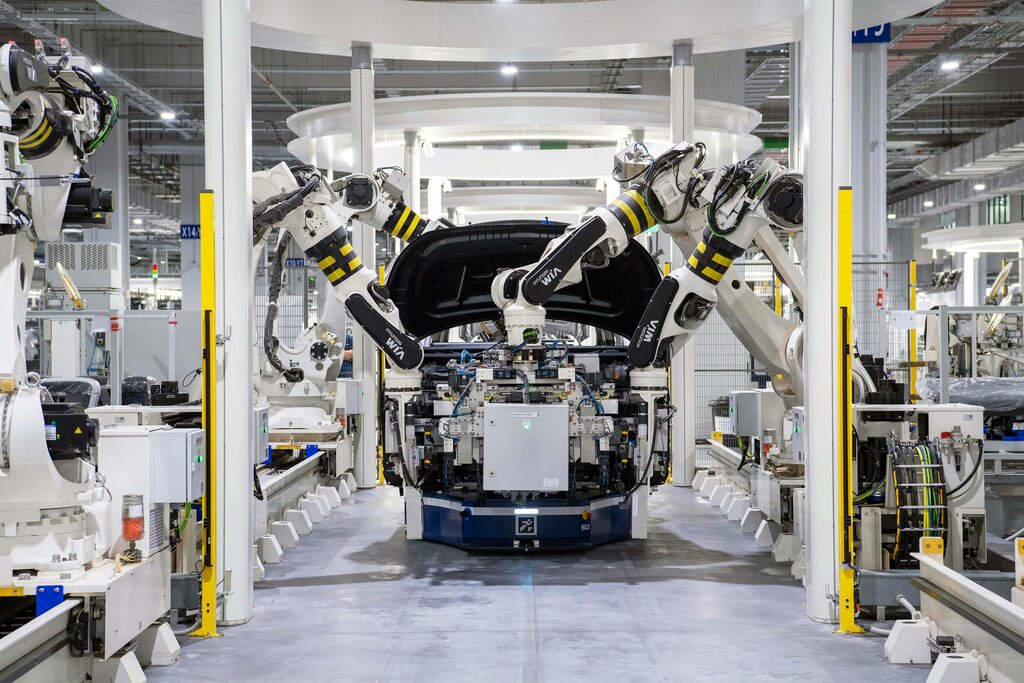
AI in this world isn't about creating conscious robots. It's about using powerful software to make manufacturing processes more efficient, reliable, and intelligent. The driving force behind this transformation is data. Modern factories generate enormous amounts of information every second from sensors, cameras, and production logs.
This is where machine learning and data analytics come in. Machine learning is a type of AI that allows computers to learn from data without being explicitly programmed. Instead of following a rigid set of instructions, the system analyzes thousands of data points to identify patterns, predict outcomes, and improve its performance over time. Think of it as the factory's brain, constantly learning from its own experience to get better at its job.
AI in Action
So how does this actually work on the factory floor? Two of the biggest applications are in quality control and equipment maintenance.
Computer Vision
noun
A field of artificial intelligence that trains computers to interpret and understand information from digital images and videos.
Traditionally, quality control relied on human inspectors. But even the most skilled person can get tired, and tiny defects can be easy to miss. Computer vision gives machines a superhuman sense of sight. High-speed cameras scan products on an assembly line, and an AI system analyzes the images in real time. It can spot microscopic scratches, incorrect colors, or misaligned parts with incredible accuracy and speed, 24/7.
The other game-changer is predictive maintenance. Most maintenance is reactive; something breaks, and you fix it, often causing costly downtime. Predictive maintenance flips this script. Sensors placed on machinery constantly monitor factors like temperature, vibration, and energy use. An AI system analyzes this stream of data, learning the normal operating signature of each machine.
When the AI detects subtle changes that signal a potential failure in the future, it alerts the maintenance team. This allows them to schedule repairs before the machine ever breaks down, saving time, money, and preventing major production delays.
Predictive maintenance transforms factory upkeep from a reactive chore into a proactive strategy.
Putting It All Together
These aren't just theoretical ideas. Companies around the world are already seeing massive benefits from integrating AI.
A major tire manufacturer, for instance, implemented an AI system to analyze over 10,000 process and material variables. By finding hidden connections in the data, they were able to fine-tune their production process, significantly reducing material waste and improving the overall quality and consistency of their tires.
In the electronics industry, a company that makes circuit boards uses computer vision to inspect every single board for microscopic defects. This automated process is faster and far more reliable than human inspection, catching flaws that were previously missed and reducing the number of faulty products that reach customers.
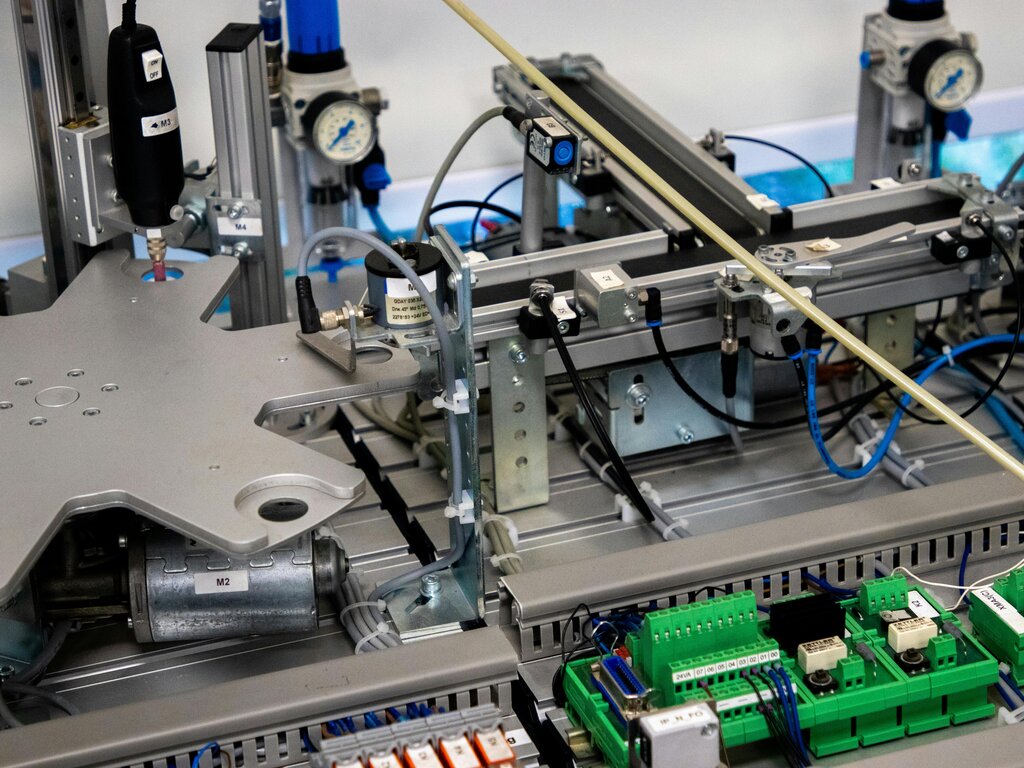
From spotting tiny flaws to predicting the future, AI is fundamentally changing how things are made. It allows manufacturers to create higher quality products more efficiently and reliably than ever before. This shift towards data-driven, intelligent manufacturing is not just an upgrade; it's the next step in industrial evolution.
Ready to test your knowledge?
What is the primary goal of implementing artificial intelligence (AI) in manufacturing?
How does 'computer vision' enhance quality control on an assembly line?