AI in Legal ADR for Small Cases
Introduction to AI in Law
What Is AI Anyway?
Artificial intelligence isn't about sentient robots from science fiction. At its core, AI is the science of making computers do things that normally require human intelligence. This includes tasks like learning, reasoning, problem-solving, and understanding language.
Think of it as a broad field of computer science. Within that field are more specific areas, like machine learning and deep learning, which are the engines driving many of the AI tools we see today.
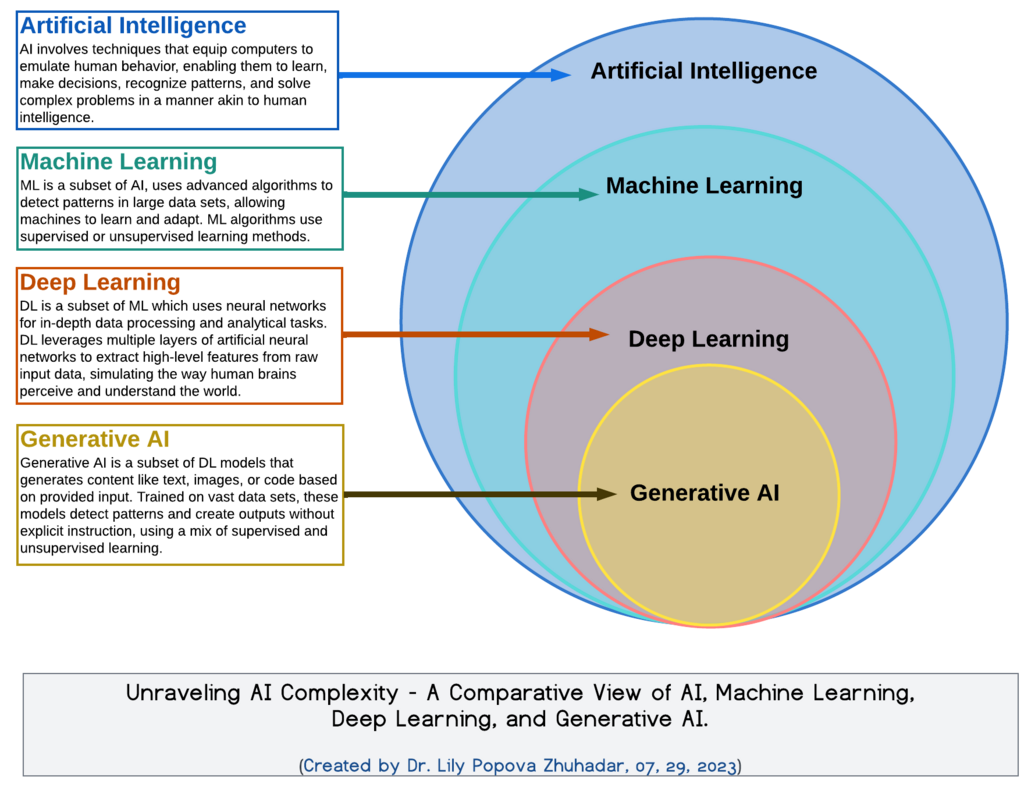
The idea of AI has been around for decades, starting as a theoretical concept in the 1950s. Early AI was based on hard-coded rules, where programmers had to write instructions for every possible scenario. This was incredibly limiting. The real breakthrough came with the rise of massive computing power and vast amounts of data, which allowed AI to move from following rules to learning from examples.
The Brains of the Operation
Two key technologies are the foundation of modern AI's success: machine learning and natural language processing. Understanding them is key to seeing how AI can be applied to the legal world.
Machine Learning
noun
A type of AI that gives computers the ability to learn from data without being explicitly programmed for every task.
Instead of writing rules, developers feed a machine learning model thousands of examples. For instance, to teach an AI to identify a specific clause in a contract, you would show it countless contracts where that clause is highlighted. Over time, the model learns the patterns and can spot the clause in new, unseen documents. It learns from experience, much like a junior associate, but at a massive scale and speed.
Then there's the language component.
Natural Language Processing
noun
A field of AI that enables computers to understand, interpret, and generate human language.
The legal profession is built on text: contracts, emails, statutes, case law, and court filings. Natural Language Processing (NLP) is the technology that allows AI to read and make sense of this mountain of information. It can identify key terms, summarize long documents, and even gauge the sentiment of a piece of writing.
AI in the Legal Field
When you combine the pattern-recognition of machine learning with the language-understanding of NLP, you get powerful tools for the legal industry. AI isn't replacing lawyers; it's augmenting their abilities, automating repetitive tasks and freeing them up for more strategic work.
This article discusses the evolving role of artificial intelligence (AI) in the legal profession, focusing on its potential to streamline tasks such as document review, research, and contract drafting.
Let's look at some common applications.
| Application | How AI Helps |
|---|---|
| Document Review | Quickly analyzes thousands of documents for relevant information during discovery, saving immense time and cost. |
| Legal Research | Scans vast legal databases to find the most relevant case law and statutes in seconds, far faster than manual searches. |
| Contract Analysis | Identifies key clauses, potential risks, and deviations from standard templates in contracts. |
| Outcome Prediction | Analyzes historical case data to forecast the likely outcome of a dispute, informing legal strategy. |
Benefits and Hurdles
The primary benefit of AI in law is efficiency. Tasks that once took teams of paralegals and junior associates weeks can now be completed in hours or even minutes. This leads to significant cost savings for firms and their clients. It also enhances accuracy by reducing the potential for human error in tedious, repetitive tasks.
However, the adoption of AI isn't without challenges. One major concern is the 'black box' problem—if an AI makes a recommendation, can we understand why? This lack of transparency can be a problem in a field that relies on clear reasoning. There are also ethical considerations around data privacy, client confidentiality, and potential biases in the data used to train AI models. An AI trained on biased historical data might perpetuate those same biases in its predictions.
As AI technologies advance, they raise complex legal issues related to privacy, liability, intellectual property, and ethics.
Despite these challenges, AI is steadily becoming an indispensable tool in the legal profession. By handling the rote work, it allows legal professionals to focus on the human elements of their job: advising clients, crafting arguments, and negotiating settlements.
Let's check your understanding of these foundational concepts.
What is the fundamental goal of Artificial Intelligence (AI) as described in the text?
How does a modern AI system, using Machine Learning, typically learn to identify a specific clause in a legal contract?
Understanding these core ideas provides the foundation for exploring how AI is specifically transforming alternative dispute resolution.