AI in Human Resources
Introduction to AI in HR
What Is AI, Really?
Artificial Intelligence, or AI, is about creating computer systems that can perform tasks that usually require human intelligence. This includes things like learning from experience, understanding language, recognizing patterns, and making decisions.
Think of it this way: instead of programming a computer with a rigid set of instructions for every single possibility, AI allows the computer to figure things out on its own.
AI isn't a single thing. It exists on a spectrum of capability. The AI we interact with today is very different from the AI we see in science fiction. Understanding these distinctions is key to seeing how it fits into a field like Human Resources.
Most experts categorize AI into three main types based on its capabilities.
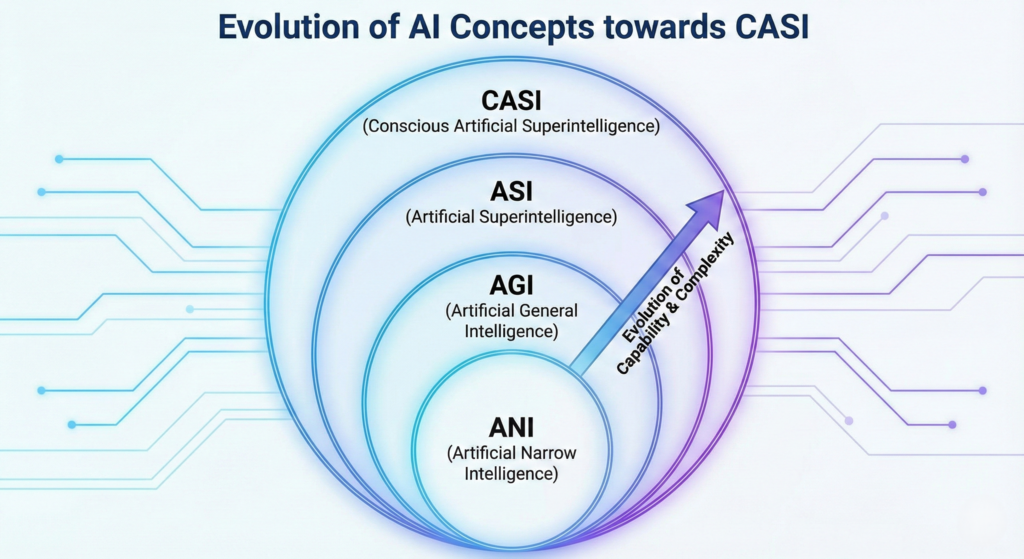
| Type | Description | HR Example |
|---|---|---|
| Artificial Narrow Intelligence (ANI) | This is the AI we have today. It's designed to perform a single, specific task very well. It operates within a limited context and can't perform tasks beyond its programming. | An algorithm that screens resumes for specific keywords. |
| Artificial General Intelligence (AGI) | This is the next level, a theoretical AI with human-like intelligence. It could understand, learn, and apply knowledge across a wide range of tasks, just like a person. | A system that could conduct a nuanced interview, assess cultural fit, and negotiate a job offer. |
| Artificial Superintelligence (ASI) | A hypothetical form of AI that would surpass human intelligence in every field, from creativity to problem-solving. | A system that could predict global workforce trends with perfect accuracy and design optimal organizational structures. |
For now and the foreseeable future, all AI applications in business, including HR, fall under the umbrella of Artificial Narrow Intelligence (ANI). These are specialized tools designed for specific jobs.
AI's Journey into the Workplace
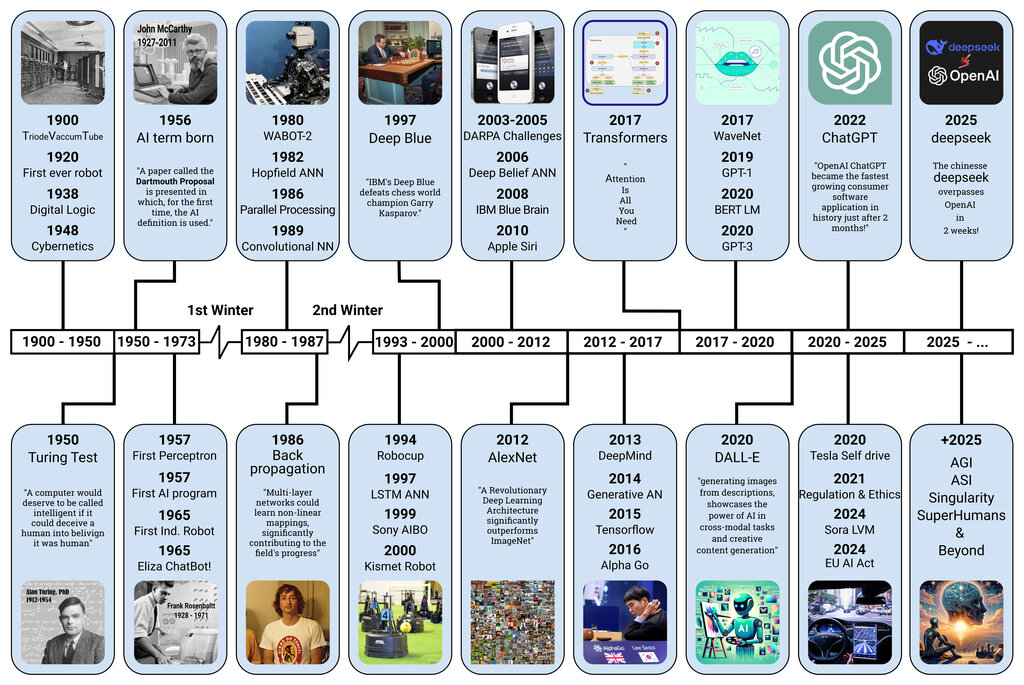
The idea of artificial intelligence has been around for decades, starting as a theoretical concept in computer science labs. For a long time, the computing power and data needed to make AI practical just weren't available. Early business applications were limited to simple automation and data processing.
The big shift happened with the explosion of data and the development of more powerful computers. Suddenly, machines could be trained on massive datasets, allowing them to learn complex patterns. This is the foundation of modern machine learning, a subset of AI.
This evolution allowed AI to move from the back office, crunching numbers, to the front lines of business strategy. It began to assist with everything from supply chain logistics to customer service chatbots.
HR Meets Artificial Intelligence
Historically, HR has been an administrative-heavy function, bogged down by paperwork, scheduling, and repetitive tasks. While essential, this work left little time for strategic initiatives like talent development and improving company culture.
AI's entry into HR marks a fundamental shift. The current trend is to use AI to automate routine tasks, freeing up HR professionals to focus on the human side of their work. It's not about replacing people, but about augmenting their abilities.
AI is not only a tool for automating administrative tasks; it has become a strategic partner in decision-making, talent acquisition, employee engagement, and workforce planning.
This partnership means leveraging data to make smarter, more consistent decisions. Instead of relying solely on gut feelings, HR teams can now use AI-driven insights to guide their strategies, making the entire function more effective and responsive to the needs of the business and its employees.
The Benefits of an AI-Powered HR
Integrating AI into HR isn't just about adopting new technology; it's about fundamentally improving how the department operates. The advantages are clear and impact everyone in an organization.
Enhanced Efficiency Many HR tasks are repetitive and time-consuming. Think of screening thousands of resumes, answering common employee questions about benefits, or scheduling interviews. AI can handle these tasks instantly and around the clock, freeing up HR teams to focus on more complex issues that require a human touch.
Better Decision-Making Humans are prone to unconscious biases, which can affect hiring and promotion decisions. While not a perfect solution, AI can be trained to analyze data objectively, helping to level the playing field. It can identify patterns and correlations in employee data that might not be obvious to a human observer, leading to more informed decisions about everything from talent acquisition to succession planning.
Improved Employee Experience AI can help create a more personalized and responsive experience for employees. Chatbots can provide instant answers to HR questions 24/7. AI platforms can suggest personalized learning and development opportunities based on an employee's role and career goals. This helps employees feel more supported and engaged.
By handling the tedious work, AI empowers HR professionals to become strategic advisors, culture builders, and advocates for employees.
It's time to check your understanding of these core concepts.
What is the primary goal of Artificial Intelligence (AI)?
All AI applications currently used in business and HR fall under which category?
This introduction lays the groundwork for understanding AI's role. It's a powerful tool that, when used thoughtfully, can make work more efficient, fair, and engaging for everyone.