AI in HR
Introduction to AI in HR
AI Meets Human Resources
Artificial Intelligence is no longer a futuristic concept from science fiction. It's a powerful tool that's reshaping industries, and Human Resources is no exception. At its core, AI involves creating smart systems that can perform tasks that typically require human intelligence, like learning from data, recognizing patterns, and making decisions.
Artificial Intelligence
noun
The theory and development of computer systems able to perform tasks that normally require human intelligence, such as visual perception, speech recognition, decision-making, and translation between languages.
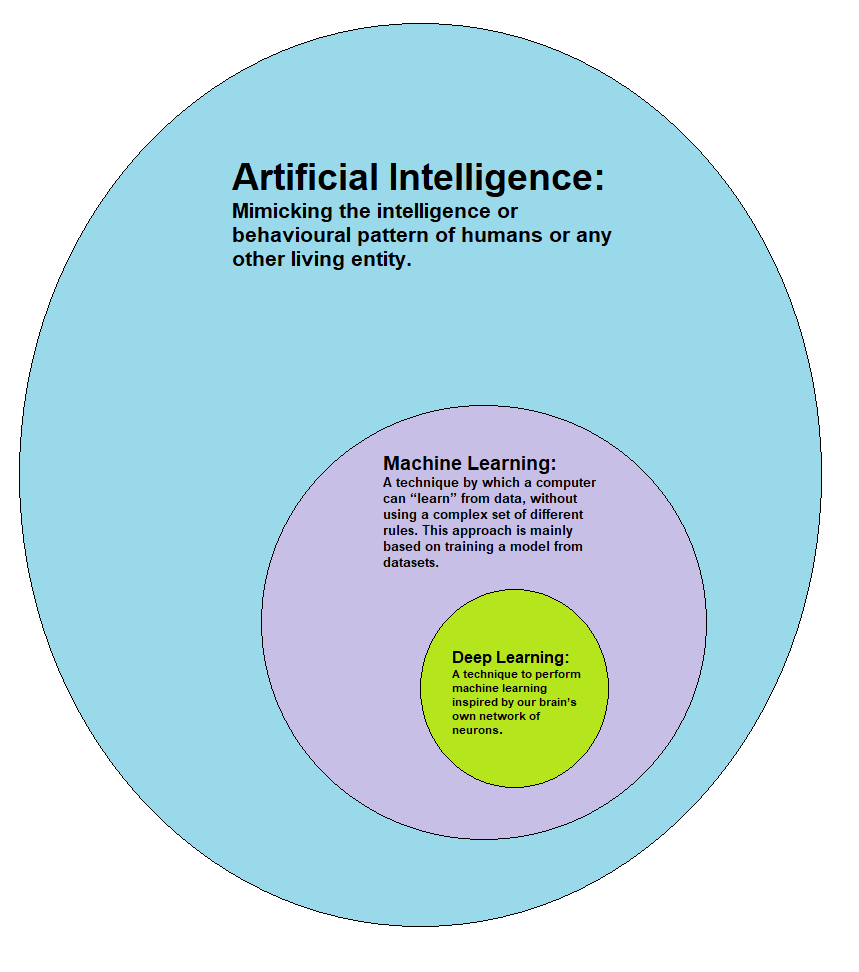
Think of AI's evolution like a child learning. Early AI was like a toddler following simple, rigid rules: "If this, then that." Over time, it matured. Machine Learning, a subset of AI, allowed systems to learn from experience and data, much like a child learns by observing the world. The most recent advancement, Deep Learning, is inspired by the human brain's structure. It uses complex neural networks to recognize intricate patterns in massive amounts of data, similar to how an adult develops intuition and sophisticated understanding.
Putting AI to Work in HR
So how does this technology translate to the world of HR? AI isn't about replacing the human touch; it's about augmenting it. It handles repetitive, data-heavy tasks, freeing up HR professionals to focus on more strategic and people-centric initiatives.
Recruitment and Hiring This is one of the most common areas for AI integration. AI tools can scan thousands of resumes in minutes, identifying the most qualified candidates based on predefined criteria. They can also automate interview scheduling and use chatbots to conduct initial screenings, asking basic questions and providing information to applicants 24/7.
Employee Engagement Understanding employee sentiment is crucial for retention. AI-powered tools can analyze data from surveys, performance reviews, and even internal communication platforms (while respecting privacy) to identify trends. Is a particular department showing signs of burnout? Is there confusion about a new company policy? AI can flag these issues early, allowing HR to intervene proactively.
Performance Management Traditional performance reviews can sometimes be subjective. AI brings data into the picture. It can analyze performance metrics to provide managers with objective insights, helping to identify top performers and employees who might need additional support or training. This data-driven approach fosters fairer evaluations and more targeted employee development plans.
The Benefits of Smarter HR
Integrating AI into HR processes brings several key advantages. The most obvious is efficiency. By automating routine tasks, HR teams can save countless hours and reduce administrative burdens.
AI also enhances decision-making. Instead of relying on gut feelings, HR professionals can use data-driven insights to make more informed choices about hiring, promotions, and strategy. When designed and monitored carefully, AI can also help reduce unconscious bias in processes like resume screening, leading to a more diverse and inclusive workforce.
Ultimately, these improvements lead to a better experience for everyone. Candidates get faster responses, and employees benefit from fairer evaluations and a more responsive HR department that is focused on their growth and well-being.
The goal of AI in HR isn't to remove humans from the equation, but to empower them with better tools and data.
Now that you have a foundational understanding of AI's role in HR, let's test your knowledge.
What is the primary role of AI in Human Resources as described in the text?
Which stage in AI's evolution is described as being inspired by the human brain's structure to recognize complex patterns in massive data sets?
By embracing AI, HR departments can transform from administrative centers into strategic partners that drive business success and create a more positive work environment.