AI in Higher Education Strategies
AI in Higher Education
A New Era for Learning
Artificial intelligence is reshaping the classroom experience in higher education. Instead of a one-size-fits-all lecture, AI enables highly personalized learning paths. These systems can track a student's progress, identify areas where they're struggling, and serve up customized content—like practice problems, videos, or readings—to help them catch up or leap ahead.
Think of it as a personal tutor for every student. Intelligent tutoring systems offer instant feedback on assignments, guiding students through complex problems step-by-step. This frees up instructors from repetitive grading and allows them to focus on more meaningful interactions, like leading discussions and mentoring.
When students use AI meaningfully, they can:Access personalized feedback in real timeSimplify complex topics through adaptive tutorialsGenerate ideas and structure their projects more efficientlyDevelop critical thinking by comparing human and AI-generated work
AI also helps create more dynamic and engaging course materials. For example, AI-powered simulations can let medical students practice surgical procedures in a risk-free environment, or allow business students to run virtual companies and respond to market changes. These tools provide hands-on experience that traditional textbooks can't match.
Streamlining University Operations
Beyond the classroom, AI is making the administrative side of higher education more efficient. Universities handle a massive volume of data, and AI is perfectly suited to manage it.
Take admissions, for example. AI algorithms can help process thousands of applications by organizing them and flagging candidates who meet specific criteria. This allows admissions officers to spend their time on a more holistic review of applicants. Similarly, AI tools can optimize course scheduling to prevent classroom conflicts and ensure students can get the classes they need to graduate on time.
Student support is another key area. AI-powered chatbots are now common on university websites, where they can answer common questions 24/7. They can help students with everything from financial aid deadlines to library hours, providing instant answers and freeing up staff to handle more complex issues.
Accelerating Academic Research
AI is also a powerful partner in academic research. Scientists and scholars are using it to tackle problems that were once too complex or time-consuming to solve. AI's ability to analyze vast datasets allows researchers to find patterns and insights that a human might miss.
In medicine, AI can analyze medical images to detect diseases earlier or sift through genetic data to identify potential drug targets. In climate science, it can model complex environmental systems to forecast the effects of climate change more accurately.
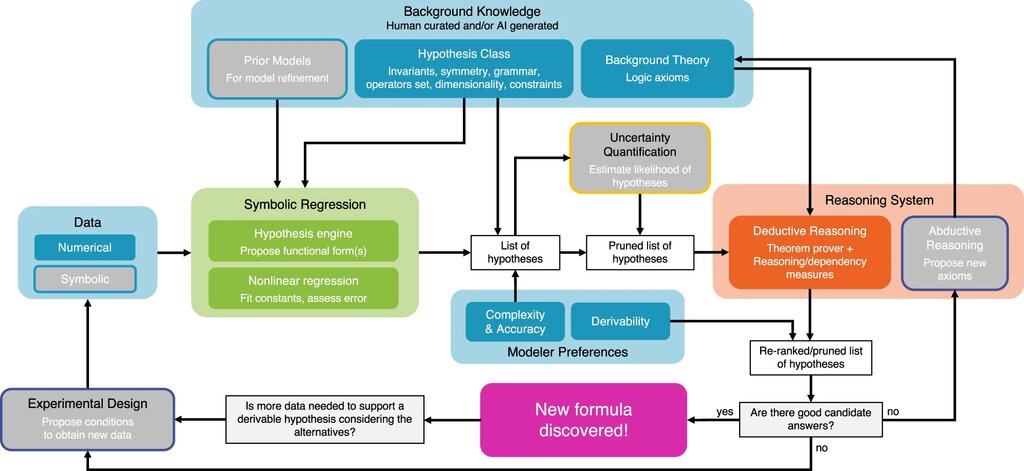
AI also streamlines the research process itself. Natural language processing tools can scan and summarize thousands of academic papers in minutes, helping researchers conduct literature reviews and stay current in their fields. This capability allows scholars to spend less time searching for information and more time creating new knowledge.
How does AI enable personalized learning paths in higher education?
What is the primary way intelligent tutoring systems change the role of university instructors?
As these tools become more integrated into academic life, they continue to change what's possible in learning, administration, and discovery.