AI in Higher Education
Introduction to AI in Higher Education
What Is Artificial Intelligence?
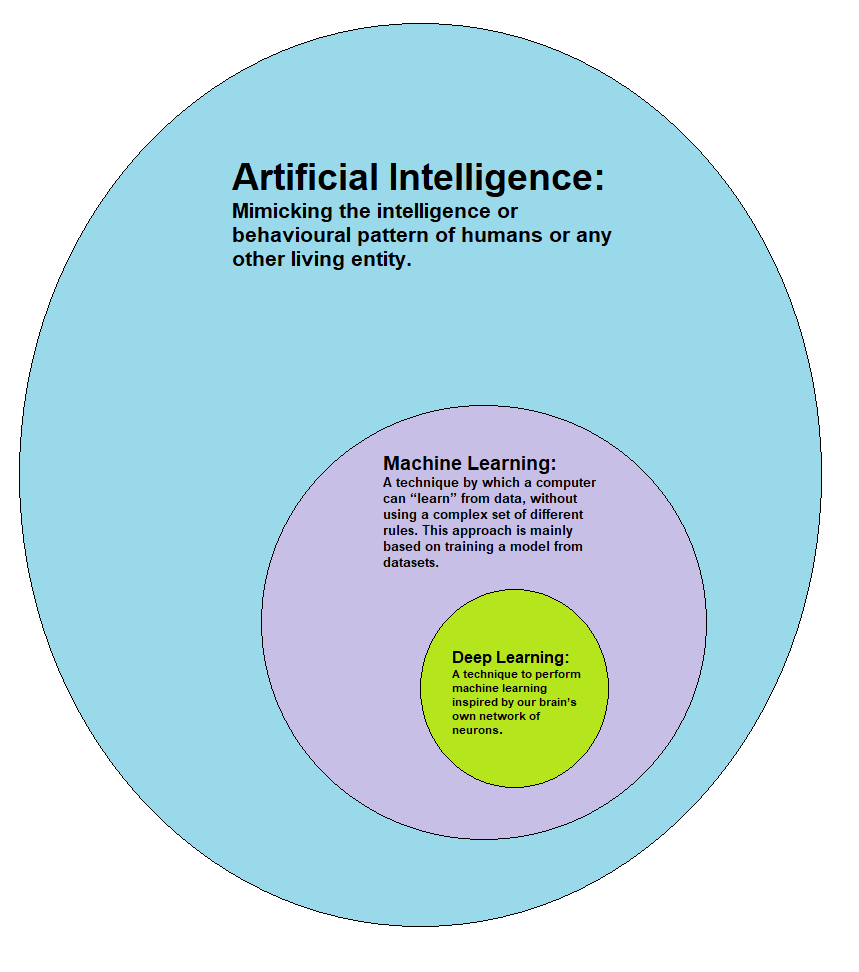
Artificial intelligence, or AI, is the science of making computers that can think like humans. It's a broad field that covers everything from understanding language to recognizing faces in a crowd. At its core, AI aims to create systems that can learn, reason, perceive, and solve problems on their own.
Think of AI as a large umbrella. Underneath it are more specific areas. One of the biggest is Machine Learning (ML), where systems learn from data to find patterns and make decisions. A popular type of ML is Deep Learning, which uses complex structures called neural networks, inspired by the human brain, to handle intricate tasks like image recognition and natural language processing.
A Quick Trip Through Time
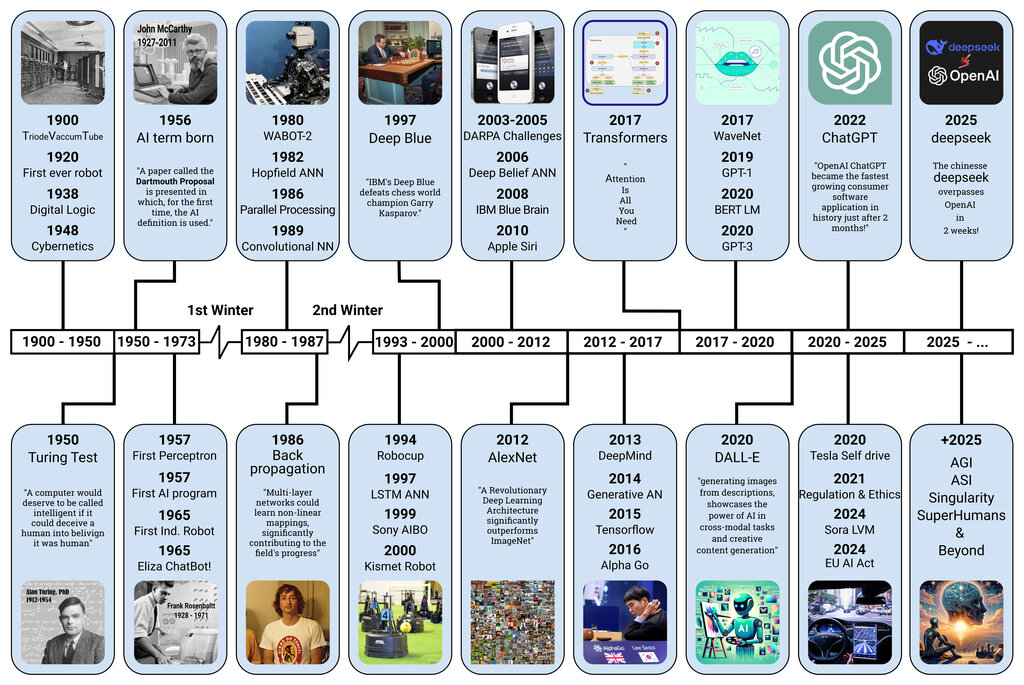
The idea of intelligent machines has been around for centuries, but the field of AI officially began in the mid-1950s. Early researchers were optimistic, believing they could create human-level intelligence within a few decades. Progress was slower than expected, with periods of excitement followed by lulls in funding and interest, often called "AI winters."
Things started to change dramatically in the late 1990s and early 2000s. The rise of the internet created massive amounts of data, and significant increases in computing power made it possible to train more complex models. Milestones like IBM's Deep Blue defeating a world chess champion in 1997 showed the world what AI was capable of. Today, we're in a period of rapid advancement, driven by breakthroughs in deep learning and the availability of big data.
AI on Campus
AI is no longer just a subject in computer science classes; it's becoming a part of the university itself. Higher education institutions are adopting AI to change how they operate, teach, and conduct research. The goal is often to create a more personalized, efficient, and effective learning environment.
Artificial intelligence (AI) has the potential to tackle some of the biggest challenges in today’s education landscape, innovate teaching and learning practices and accelerate progress in learning.
Across campuses, AI is being used in a few key ways:
- Enhancing Teaching and Learning: AI tools can provide personalized learning paths for students, offer instant feedback on assignments, and create adaptive learning platforms that adjust to a student's pace.
- Streamlining Administration: From admissions to student support, AI helps automate repetitive tasks. Chatbots can answer common student questions 24/7, and predictive analytics can help identify students who might need extra support to succeed.
- Powering Research: Researchers are using AI to analyze huge datasets, simulate complex systems, and accelerate discoveries in fields ranging from medicine to climate science.
The trend is clear: AI adoption in academia is growing. Universities are not only teaching students about AI but also integrating it into the very fabric of the educational experience. This shift promises to make higher education more accessible and tailored to individual student needs, preparing graduates for a world where interacting with AI is the norm.
Let's check your understanding of these foundational concepts.
What is the primary goal of Artificial Intelligence?
Which statement best describes the relationship between AI, Machine Learning (ML), and Deep Learning?
Now that you have a grasp of what AI is and its role in higher education, we can explore its specific applications in more detail.