AI in Healthcare
Introduction to AI in Healthcare
A New Partner in Healthcare
Artificial intelligence, or AI, is about creating systems that can perform tasks that typically require human intelligence. This includes things like learning, reasoning, problem-solving, and understanding language. While the idea of AI has been around since the 1950s, recent advances in computing power and data analysis have turned it from a science fiction concept into a practical tool that's reshaping many industries, especially medicine.
In healthcare, AI isn't about replacing doctors. It's about providing them with powerful new tools to analyze complex medical information and make more informed decisions.
The core strength of AI in a medical context is its ability to process enormous amounts of data far more quickly than a human ever could. From patient records and medical images to genetic sequences and clinical trial results, AI can sift through this information to find subtle patterns and connections that might otherwise go unnoticed. This opens up new possibilities for improving patient care.
The Technologies Driving AI
AI is a broad field with several key technologies. Think of them as different tools in a toolbox, each suited for specific tasks.
Machine Learning
noun
A subset of AI where systems learn directly from data without being explicitly programmed. Instead of following a set of rules, a machine learning model is trained on a dataset to recognize patterns and make predictions.
A more advanced form of machine learning is Deep Learning. It uses complex structures called neural networks, which are loosely inspired by the human brain. Deep learning is especially powerful for analyzing complex, unstructured data like medical images (X-rays, MRIs) or handwritten notes.
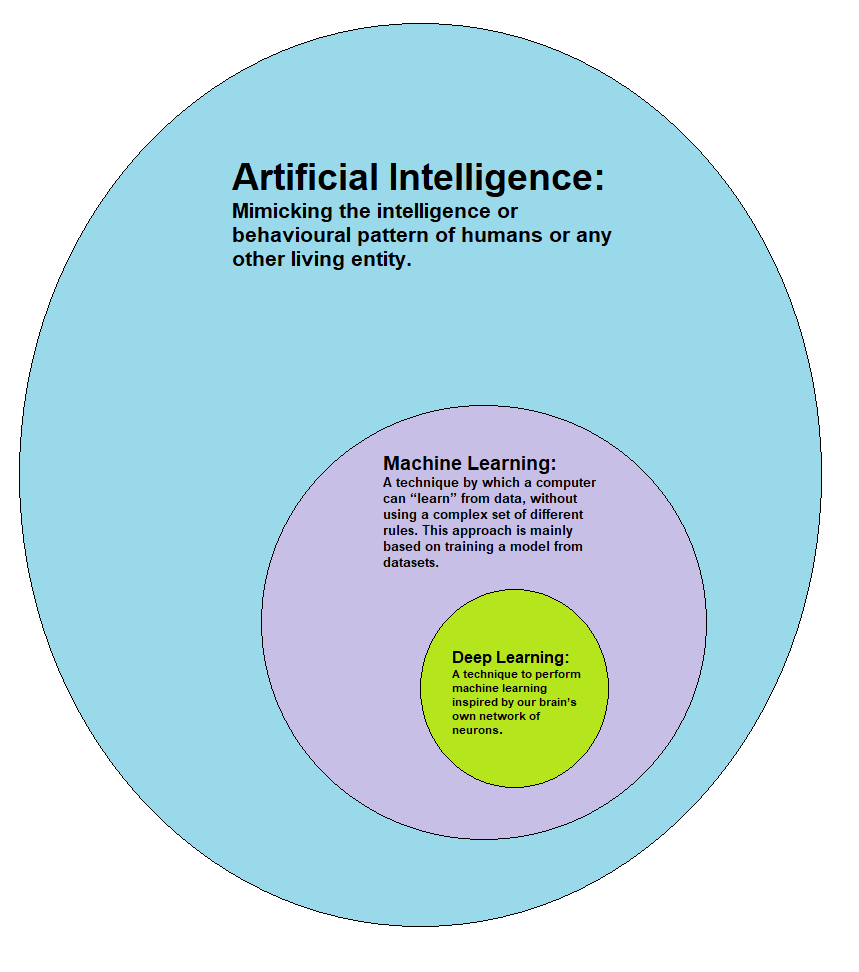
Another crucial technology is Natural Language Processing (NLP). This is the branch of AI that gives computers the ability to understand, interpret, and generate human language. In healthcare, NLP is used to make sense of the vast amounts of text in clinical notes, research papers, and patient feedback, turning unstructured information into valuable data.
Ethical Hurdles and Practical Challenges
Integrating AI into healthcare isn't just a technical challenge; it also raises important ethical questions. AI models learn from data, and if that data reflects existing biases in society, the AI can perpetuate or even amplify them. For example, if a model is trained on data primarily from one demographic, it may be less accurate for others.
As the deployment of artificial intelligence (AI) is changing many fields and industries, there are concerns about AI systems making decisions and recommendations without adequately considering various ethical aspects, such as accountability, reliability, transparency, explainability, contestability, privacy, and fairness.
Patient privacy is another major concern. AI systems often require large amounts of sensitive health information, and ensuring this data remains secure and anonymous is critical. There's also the question of accountability. When an AI system contributes to a medical decision, who is responsible if something goes wrong? These are complex issues that healthcare providers, developers, and policymakers must address carefully.
Beyond ethics, there are practical hurdles. Integrating new AI systems with existing hospital IT infrastructure can be difficult. Healthcare data is often messy, inconsistent, and stored in different formats, making it hard to use for training reliable AI models. Finally, clinicians need training and support to understand how to use these new tools effectively and interpret their outputs correctly.
What is the primary advantage of using AI in a medical context, according to the provided text?
A research team wants to build a tool that can read and understand thousands of handwritten clinical notes to identify trends in patient symptoms. Which AI technology is best suited for this task?
Navigating these challenges is essential for unlocking AI's full potential to improve healthcare for everyone.