AI in Healthcare Drug Discovery and Medical Imaging
Introduction to AI in Healthcare
AI's Role in Modern Medicine
Artificial intelligence in healthcare isn't about replacing doctors with robots. It’s about creating powerful tools to help medical professionals work more effectively. Think of it as a highly advanced assistant that can analyze vast amounts of medical data—like patient records, lab results, and medical literature—far faster than any human ever could. This ability to process information helps clinicians make quicker, more informed decisions.
The idea of using computers in medicine has been around for decades, but it's only in recent years that we've seen a massive surge in its practical applications. This boom is thanks to two key factors: the explosion of digital health data and the development of much more powerful computers. Together, they allow AI systems to learn and improve at an incredible rate, turning theoretical concepts into real-world tools that are changing patient care.
The Brains Behind the System
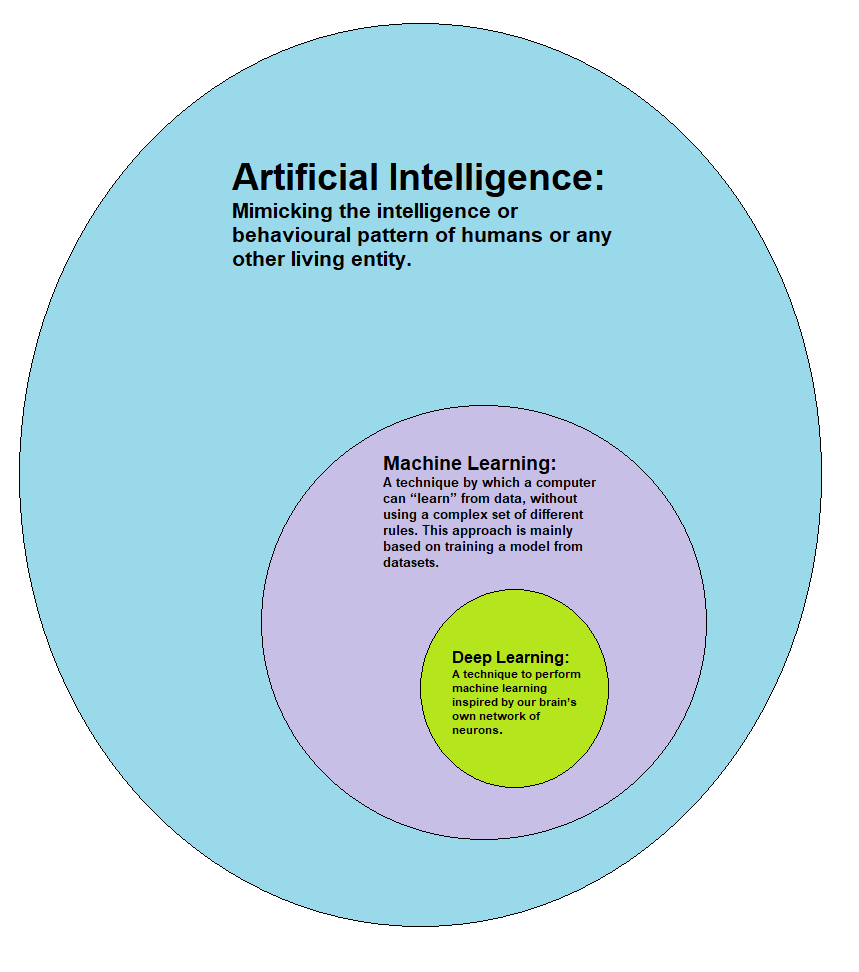
The term AI is a broad umbrella. Underneath it are specific technologies that power these healthcare advancements. Two of the most important are machine learning and deep learning.
Machine Learning (ML) is a type of AI where systems learn from data to identify patterns and make decisions without being explicitly programmed for every task. Imagine a medical student studying thousands of X-rays to learn how to spot a tumor. An ML model does something similar, but it can analyze millions of images to learn the subtle patterns associated with disease.
Deep Learning (DL) is a more advanced subset of machine learning. It uses complex structures called neural networks, which are inspired by the human brain. These networks have many layers, allowing them to learn from data in a more sophisticated way. This 'deep' structure is especially good for complex tasks like interpreting medical scans or analyzing genetic sequences.
AI in Action
So how are these technologies used in a clinical setting? The applications are diverse and growing every day.
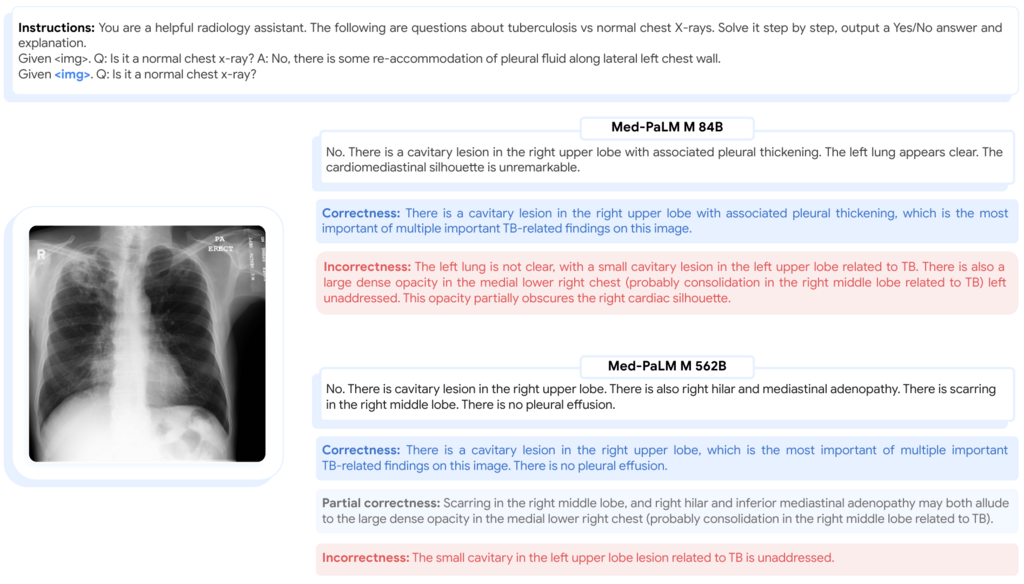
In diagnostics, AI algorithms can analyze medical images like CT scans, MRIs, and X-rays to detect signs of diseases such as cancer or diabetic retinopathy, sometimes with a level of accuracy that matches or even exceeds human experts. By flagging potential issues, these tools help radiologists and pathologists focus their attention where it's needed most.
AI also plays a crucial role in creating personalized treatment plans. By analyzing a patient's genetic data, lifestyle, and medical history, AI systems can help predict which treatments are most likely to be effective for that individual. This moves medicine away from a one-size-fits-all approach toward care that is tailored to each person's unique biology.
For ongoing patient management, AI can power tools that monitor patients remotely, track their symptoms, and predict potential health crises before they happen. For example, wearable devices can collect data on heart rate and activity levels, and an AI system can analyze this data to alert a doctor if a patient with a heart condition is at risk.
AI is revolutionizing healthcare by assisting with medical diagnostics and patient care.
Navigating the Hurdles
Despite its enormous potential, integrating AI into healthcare comes with significant challenges. One of the biggest is data privacy. Medical records contain some of the most sensitive information about us, and ensuring this data is secure and used ethically is paramount.
Another major concern is algorithmic bias. If an AI system is trained on data that doesn't represent the full diversity of the population, it can learn to make biased decisions. For example, an algorithm trained primarily on data from one demographic group might be less accurate when used for patients from another. This can perpetuate and even worsen existing health disparities.
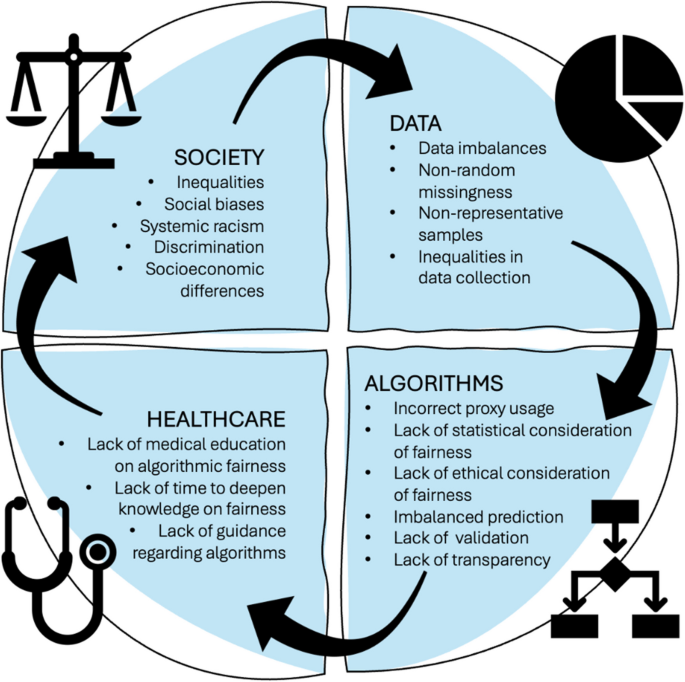
To address these issues, strong regulatory frameworks and ethical guidelines are essential. Doctors, developers, and policymakers must work together to create standards for how AI is developed, tested, and used in clinical practice. The goal is to ensure these powerful tools are safe, fair, and effective for everyone.
Ready to check your understanding?
What are the two key factors that have driven the recent boom in practical AI applications in healthcare?
Which technology is a more advanced subset of machine learning that uses multi-layered neural networks, making it particularly effective for complex tasks like interpreting medical scans?
AI's integration into healthcare marks a significant shift, offering tools that enhance human expertise rather than replace it. By carefully managing the ethical and technical challenges, we can unlock its potential to build a more personalized and effective future for medicine.