AI in Financial Planning
Introduction to AI in Finance
AI and Your Money
Artificial intelligence isn't just about self-driving cars or smart assistants. It's a powerful tool that's quietly reshaping the world of finance. At its core, AI is about creating computer systems that can perform tasks that normally require human intelligence, like learning, reasoning, and problem-solving.
Artificial Intelligence
noun
The theory and development of computer systems able to perform tasks that normally require human intelligence, such as visual perception, speech recognition, decision-making, and translation between languages.
Think of it like a brilliant assistant who can sift through mountains of information in seconds. Two key technologies that make this possible are machine learning and predictive analytics.
Machine learning allows computers to learn from data without being explicitly programmed. It’s like how your email service learns to spot spam. Initially, you mark certain emails as spam. Over time, it recognizes patterns in those emails and starts filtering them out automatically. In finance, machine learning can analyze market data to spot trends that a human might miss.
Predictive analytics uses data, statistical algorithms, and machine learning techniques to identify the likelihood of future outcomes based on historical data. It’s about making educated guesses. For example, it can help a company forecast its sales for the next quarter by looking at past performance and current market trends.
Artificial intelligence (AI) is transforming financial planning by expanding access, lowering costs, and enabling dynamic, data-driven advice.
From Sci-Fi to Wall Street
The idea of AI in finance isn't new. For decades, firms have used computer models to make decisions. Early systems were mostly rule-based, following simple "if-then" instructions. For example, an early trading algorithm might have a rule like: "If a stock price drops by 10%, then sell."
These systems were helpful, but they were rigid. They couldn't adapt or learn. The real revolution began with the rise of big data and more powerful computers. This allowed for the development of the sophisticated machine learning and predictive models we see today.
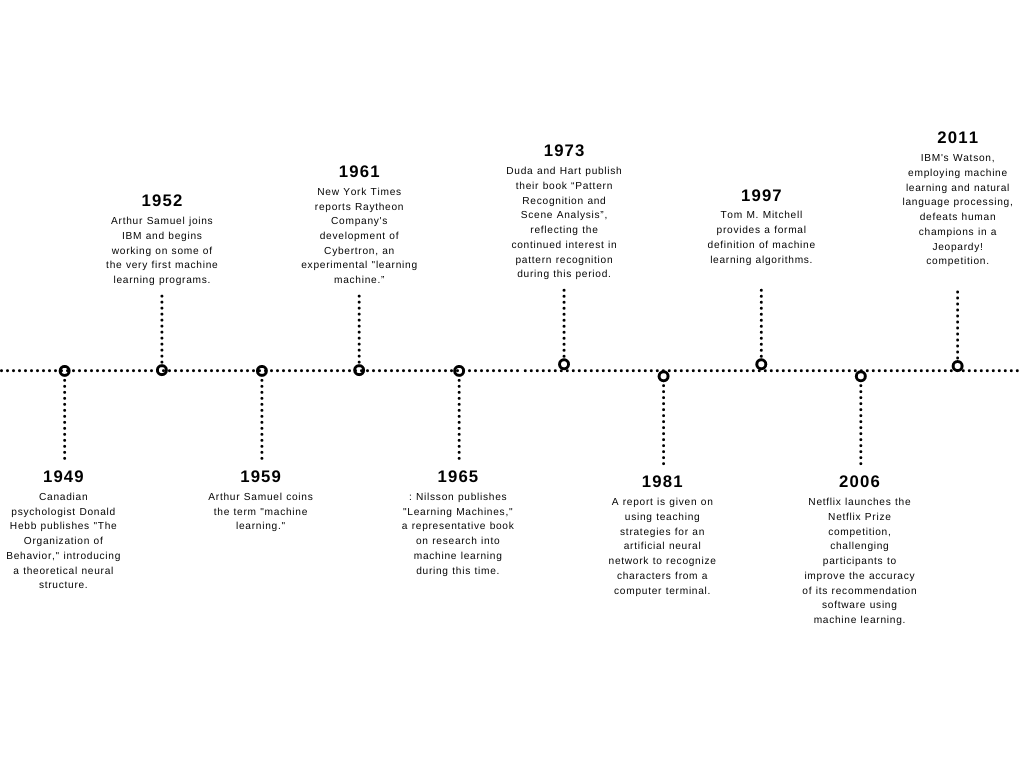
The New Financial Landscape
Today, AI is moving from the trading floors of Wall Street into our personal financial lives. Financial institutions are using it to offer more personalized advice and services. Instead of one-size-fits-all financial plans, AI can help tailor strategies to an individual's specific goals, income, and risk tolerance.
The main advantage is AI's ability to analyze vast and complex datasets. It can look at market data, economic reports, and even news sentiment to paint a much clearer picture of the financial landscape. This helps both individuals and institutions make more informed, data-driven decisions rather than relying on gut feelings or outdated information.
The goal of AI in finance is not to replace human experts, but to empower them with better tools and deeper insights.
Looking ahead, the role of AI in finance is set to grow. We can expect financial services to become more accessible, affordable, and customized. As the technology continues to evolve, it will unlock new ways for us to manage our money and plan for the future.
What is the primary function of machine learning in the context of finance?
How did the earliest AI systems in finance differ from modern ones?
This foundational knowledge sets the stage for understanding how AI is applied in specific areas like budgeting, investing, and managing risk.