AI in Filmmaking
Introduction to AI in Filmmaking
What Is AI Anyway?
Artificial intelligence is a branch of computer science focused on building smart machines capable of performing tasks that typically require human intelligence. Think of things like learning from experience, solving problems, and understanding language.
Artificial Intelligence
noun
The theory and development of computer systems able to perform tasks that normally require human intelligence, such as visual perception, speech recognition, decision-making, and translation between languages.
AI isn't one single thing. It's a broad field that includes several sub-fields. You'll often hear terms like machine learning and deep learning mentioned alongside AI. Machine learning is a subset of AI where systems learn from data to make predictions or decisions without being explicitly programmed. Deep learning is a further subset of machine learning that uses complex, multi-layered neural networks, inspired by the human brain, to handle more intricate patterns.
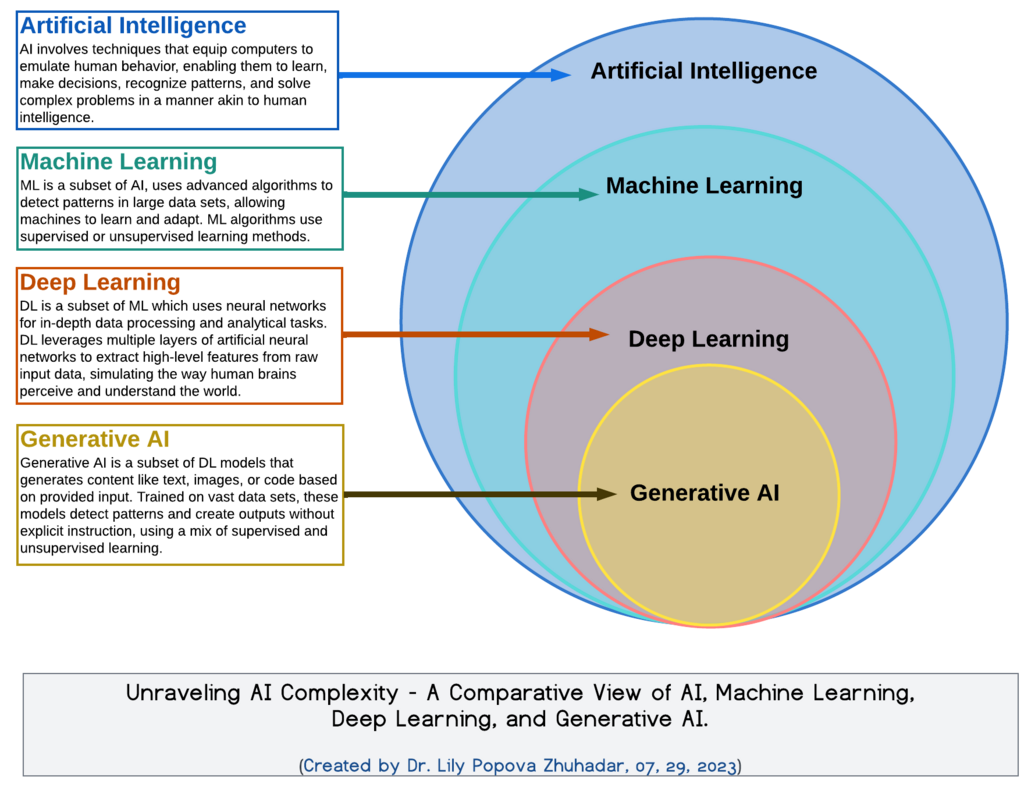
In filmmaking, these technologies are used to automate tasks, analyze information, and even generate creative content. It's less about robots taking over and more about powerful new tools for storytellers.
AI's Role in Production
AI isn't just a futuristic concept in sci-fi movies; it's actively used across the entire filmmaking pipeline. From the first draft of a script to the final cut, AI tools are helping creators work more efficiently and explore new creative possibilities.
By automating tedious tasks, AI empowers filmmakers to spend more time on creative decisions.
Let's break down how AI is used in the three main stages of making a movie.
| Stage | AI Applications |
|---|---|
| Pre-production | Script analysis, storyboarding, concept art, casting suggestions |
| Production | Virtual set creation, camera automation, performance capture |
| Post-production | Visual effects (VFX), color grading, sound design, editing |
In pre-production, AI can analyze a screenplay to break down scenes, characters, and props. This helps create shooting schedules and budgets much faster. AI image generators are also used to quickly visualize storyboards and concept art, giving directors a clear vision before filming even begins.
During production, AI plays a role in everything from managing virtual sets to refining motion capture data. For example, AI algorithms can instantly create realistic digital environments that react to actors' movements.
In post-production, AI has become indispensable. It's used to de-age actors, remove wires and rigs from shots, and generate complex visual effects. AI tools can also automate color grading and help editors quickly sift through hours of footage to find the best takes.
AI on the Big Screen
Some of the most impressive cinematic moments in recent years were made possible by AI. It’s often working quietly in the background, creating movie magic you might not even realize is computer-assisted.
Take the 2019 film The Irishman. Director Martin Scorsese used AI-powered de-aging technology to make actors like Robert De Niro and Al Pacino appear decades younger. The software, developed by Industrial Light & Magic, analyzed the actors' earlier performances to create convincing, younger versions of their faces that could express a full range of emotions.
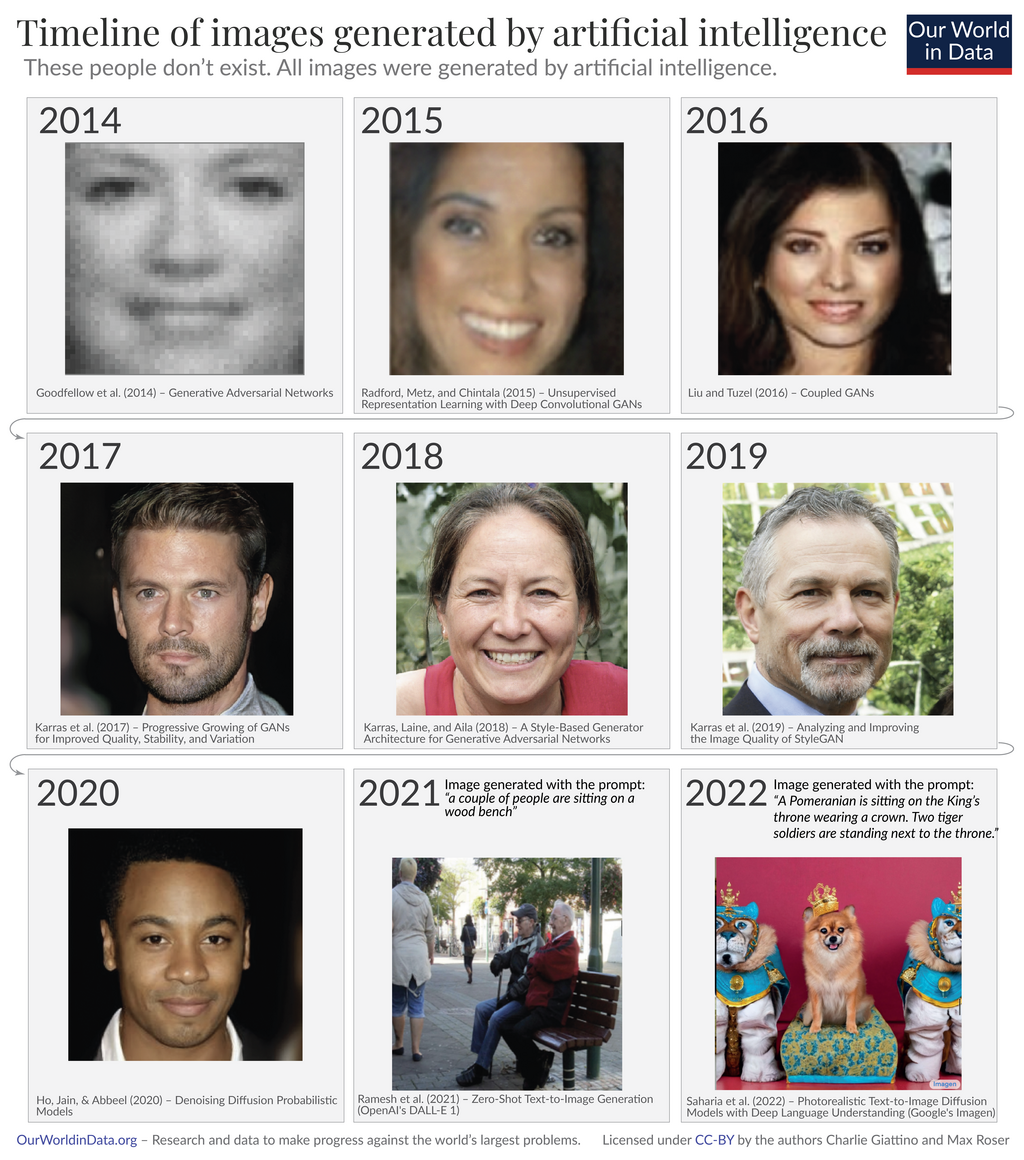
In the world of animation, AI is also making waves. Disney's 2016 film The Jungle Book used AI to help render its stunningly realistic animal characters and lush jungle environments. The system learned how to simulate the movement of fur and muscles, saving animators countless hours of manual work.
Even crowd scenes have been revolutionized. The MASSIVE software used in The Lord of the Rings trilogy gave every digital soldier in the massive battle scenes a virtual AI "brain." This allowed them to react independently to their surroundings, creating chaotic and realistic battles without animators having to control each character individually.
What is the correct relationship between Artificial Intelligence (AI), Machine Learning (ML), and Deep Learning (DL)?
In the film The Irishman, AI-powered software was famously used for what post-production task?
AI's role in filmmaking is already significant, providing a powerful toolkit that assists creators at every stage of the process.