AI in Education Applications and Impact
AI-Powered Tutoring Systems
A Tutor for Every Student
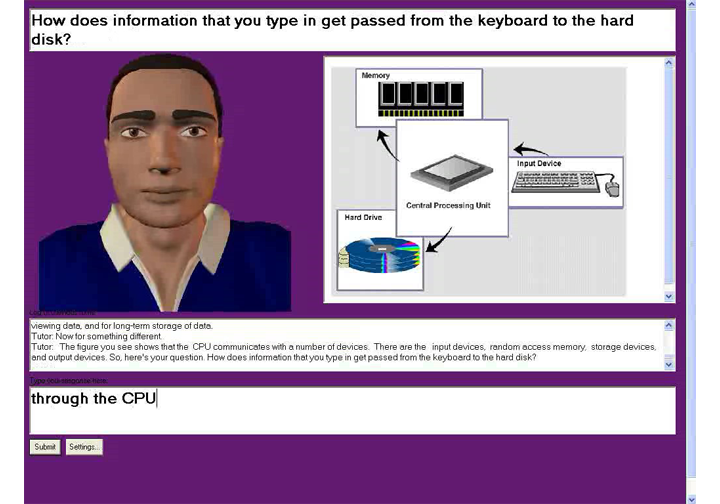
Imagine a tutor who never gets tired, is available 24/7, and knows exactly what you're struggling with before you even ask. This isn't science fiction; it's the reality of AI-powered tutoring systems. These platforms, often called Intelligent Tutoring Systems (ITS), are designed to mimic the benefits of one-on-one human instruction, but on a massive scale.
At their core, these systems operate on a continuous feedback loop. They present a problem, analyze the student's response, and then decide what to do next. This isn't just about marking an answer right or wrong. The AI digs deeper, looking at the process a student used to arrive at an answer. Did they hesitate? Did they use a specific formula correctly but make a simple arithmetic mistake? This granular analysis is key.
This cycle is powered by three core models working together: the expert model, the student model, and the tutoring model. The expert model holds all the knowledge for the subject, like a perfect answer key. The student model builds a profile of the user's current understanding, tracking strengths and weaknesses. Finally, the tutoring model acts as the decision-maker, using information from the other two models to choose the best pedagogical action.
Tailoring the Lesson
The real magic of AI tutoring is personalization. No two students learn the same way or at the same pace. AI tutors embrace this by creating adaptive learning paths. If one student masters fractions quickly, the system moves them on to decimals. If another struggles with the concept of a numerator, the system can offer a different explanation, a visual aid, or a series of simpler, foundational problems.
This is a shift from a one-size-fits-all curriculum to a one-size-fits-one experience.
This adaptation happens in real-time. The system constantly updates its understanding of the student, a concept known as a "knowledge trace." It predicts which skills the student has mastered and which are still shaky, allowing it to select the perfect next problem to maximize learning without causing frustration.
AI Tutors in the Wild
Several platforms have successfully put these principles into practice. They demonstrate the tangible benefits of AI tutoring in different subjects and for different age groups.
| Platform | Subject Focus | Key Feature |
|---|---|---|
| Carnegie Learning | Mathematics | Blends AI software with collaborative classroom learning. |
| Duolingo | Language Learning | Gamified lessons and adaptive review sessions. |
| Khanmigo (by Khan Academy) | Multiple Subjects | Acts as a Socratic guide, prompting students to think for themselves rather than giving direct answers. |
These examples show that AI tutoring isn't about replacing teachers. It's about providing a powerful tool that can handle personalized practice and reinforcement, freeing up educators to focus on higher-level discussions, project-based learning, and mentoring.
By integrating AI tutors into their programs, educators can offer students personalized learning experiences grounded in the principles of learning sciences, thereby addressing the challenges associated with implementing effective learning strategies.
Challenges and Pathways
Despite their promise, integrating AI tutors into mainstream education isn't a simple plug-and-play operation. A significant challenge is ensuring the technology fits within the existing curriculum and school culture. Teachers need training not just on how to use the software, but on how to redesign their lessons to leverage it effectively. The AI should be a partner in the classroom, not just another piece of software.
Another hurdle is ensuring equitable access. If powerful AI tutors are only available to well-funded schools, they could widen the educational divide. A key solution is the development of open-source platforms and government initiatives to provide these tools to all students, regardless of their school's budget.
The goal is to scale up the benefits of personal tutoring, making it an accessible resource for every learner.
Finally, there's the technical challenge of creating systems that can understand more than just a final answer. Developing AI that can interpret a student's handwritten work on a tablet or understand a verbal explanation of their thought process is the next frontier. As these capabilities improve, AI tutors will become even more nuanced and effective partners in learning.
Time to check your understanding of AI-powered tutoring systems.
What is the primary goal of an Intelligent Tutoring System (ITS)?
An Intelligent Tutoring System uses a continuous feedback loop powered by three core models. Which of the following is NOT one of these models?
By providing personalized, adaptive, and scalable instruction, AI tutors are poised to become an invaluable part of the educational landscape.