AI in Education
Introduction to AI in Education
What Is AI?
Artificial Intelligence, or AI, is a field of computer science focused on creating machines that can think, learn, and solve problems like humans. At its core, AI aims to simulate human intelligence. This doesn't mean creating conscious robots from science fiction. Instead, it's about building systems that can recognize patterns, understand language, and make decisions based on data.
The idea isn't new. Thinkers have pondered the concept of artificial minds for centuries. But modern AI development began in the mid-20th century with the invention of computers. Early pioneers believed that a machine as intelligent as a human was just a few decades away. The journey turned out to be much more complex, with periods of rapid progress and quiet lulls.
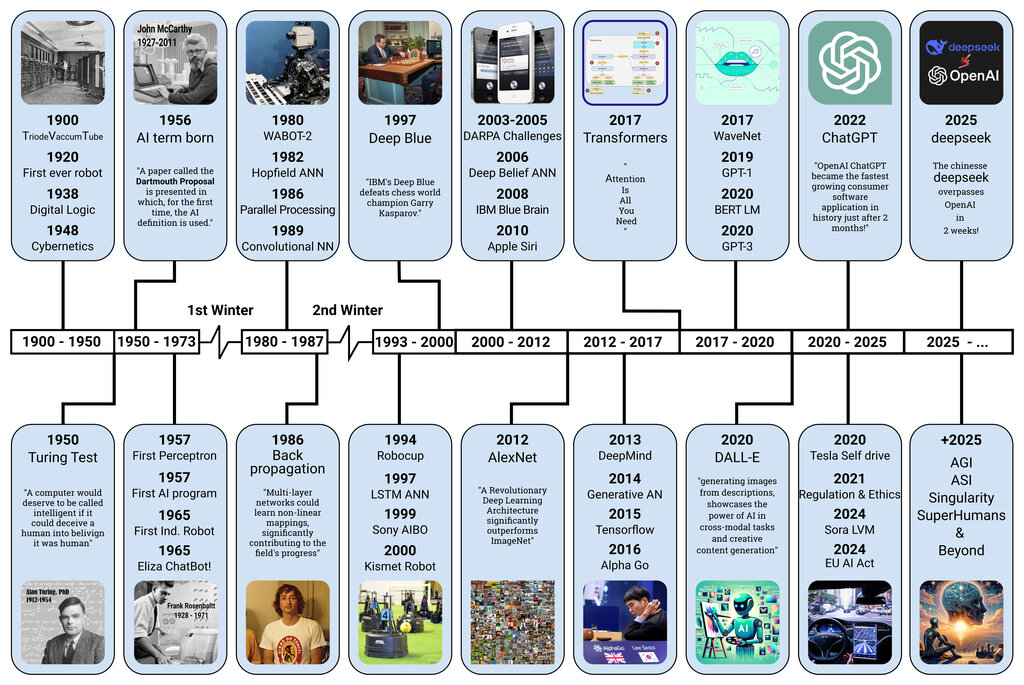
Today, AI is powered by machine learning, where systems learn from vast amounts of data instead of being explicitly programmed for every task. This has led to breakthroughs in everything from medical diagnoses to the apps on your phone.
AI in the Classroom
In education, AI is not about replacing teachers. It's about providing powerful tools to support both teaching and learning. One of the biggest applications is personalized learning. AI systems can adapt to a student's individual pace and style, offering extra help on difficult topics or providing advanced challenges for those ready to move ahead.
Imagine a math lesson that knows exactly which concepts you've mastered and where you're struggling, then generates practice problems tailored just for you. That's the promise of AI-driven personalized learning.
AI also takes the form of intelligent tutoring systems, which can provide students with instant feedback and step-by-step guidance on assignments. For teachers, AI can automate time-consuming tasks like grading multiple-choice quizzes or flagging potential plagiarism. This frees up educators to focus on what they do best: mentoring students, leading discussions, and fostering creativity.
Behind the Scenes
The impact of AI in education extends beyond the classroom. School administrators are using AI to streamline operations and make more informed decisions. For example, AI algorithms can analyze historical data to optimize class schedules, ensuring that students can take the courses they need while balancing classroom capacity and teacher availability.
In higher education, AI is changing the admissions process. Some systems can help process thousands of applications by identifying qualified candidates, freeing up admissions officers to conduct more holistic reviews. AI can also help identify students who may be at risk of falling behind or dropping out, allowing institutions to offer support before a problem escalates.
The Ethical Questions
As AI becomes more integrated into education, it raises important ethical questions. A primary concern is data privacy. AI systems rely on vast amounts of student data to function. This raises questions about how that data is collected, stored, and used. Who owns the data, and how can we ensure it's protected?

Another major issue is bias. If the data used to train an AI system contains historical biases related to race, gender, or socioeconomic status, the AI can learn and even amplify those biases. This could lead to unfair outcomes in areas like grading or admissions.
Finally, there's the question of equity. If AI-powered educational tools are only available to well-funded schools, it could widen the achievement gap between students from different backgrounds. Ensuring that the benefits of AI are accessible to all is a critical challenge.
As AI becomes more integrated into society, ensuring its ethical use is crucial to prevent harm, bias, and misuse.
Now, let's test your understanding of these core concepts.
What is the primary goal of Artificial Intelligence as described in the text?
Which of the following is an example of AI being used as a tool to support teachers in the classroom?
Understanding these fundamentals provides a strong base for exploring the evolving role of AI in shaping the future of education.