AI in Drug Discovery Target Identification
Introduction to Drug Discovery
The Path of a New Drug
Getting a new medicine from a lab idea to your local pharmacy is a long, expensive, and risky journey. It often takes more than a decade and can cost billions of dollars. For every drug that successfully makes it to market, thousands of promising ideas fall short along the way.
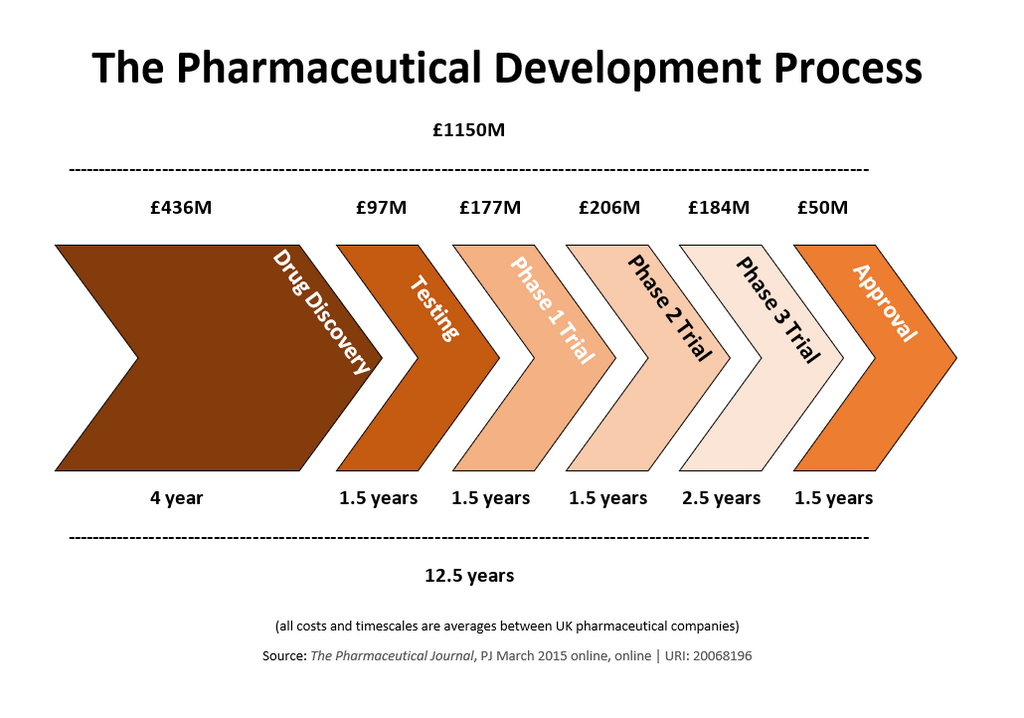
This process is a marathon of research, testing, and refinement. It starts with a fundamental question: what in our bodies can we target to fight a specific disease? Finding the right answer is the first and most critical step.
Finding the Right Target
Think of a disease as a complex machine that's not working correctly. To fix it, you first need to find the specific gear or wire that's causing the problem. In drug discovery, this broken part is called a "target." It's usually a single molecule, like a protein or a gene, that plays a key role in the disease.
Identifying the right target is crucial. If you aim at the wrong molecule, no matter how good the drug is, it won't fix the problem.
Scientists might find potential targets by studying the genetic differences between healthy people and those with a disease, or by observing how cells behave when they're sick. The goal is to pinpoint a molecule that, if altered, could stop or reverse the disease process. But just finding a potential target isn't enough. Researchers have to be sure it's the right one.
Making Sure It Works
Once scientists have a promising target, they must validate it. Target validation is the process of confirming that the chosen molecule is actually involved in the disease and is a suitable target for a drug. It’s like double-checking the blueprints before you start building.
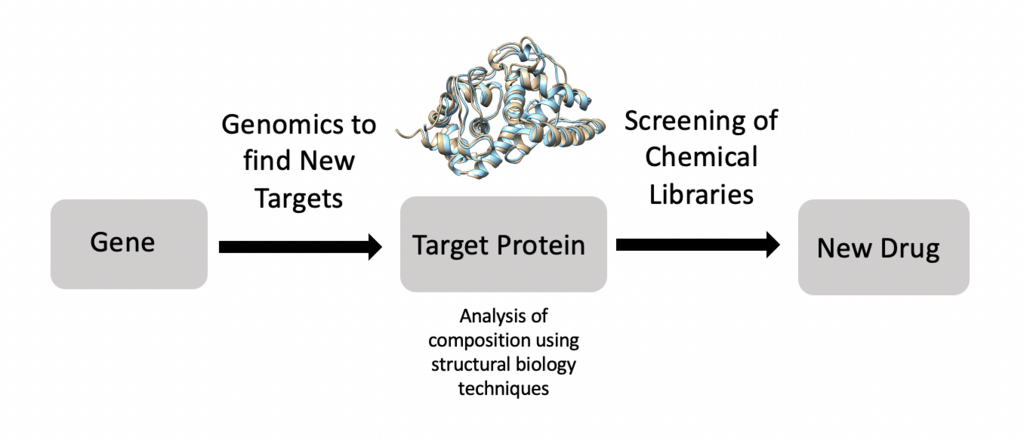
Researchers use various experiments to validate a target. They might use genetic tools to turn a target "off" in cells to see if that stops the disease progression. Or they might use an early-stage chemical compound to block the target and observe the effects. This step provides the crucial evidence needed to move forward. Without solid validation, a company could waste years and millions of dollars developing a drug that is doomed to fail.
| Phase | Primary Goal |
|---|---|
| Target Identification | Find a biological molecule involved in a disease. |
| Target Validation | Confirm the target's role and suitability for a drug. |
| Lead Discovery | Find a compound that can interact with the target. |
| Preclinical Testing | Test the compound's safety in lab and animal models. |
| Clinical Trials | Test the drug's safety and effectiveness in humans. |
After a target is identified and validated, the long process of designing and testing a drug begins. This includes finding a "lead" molecule that can interact with the target, refining it, and then running it through years of preclinical and clinical trials to ensure it is safe and effective for people. Understanding this foundational process is key to seeing how new technologies can make it better, faster, and more successful.