AI in Digital Commerce
Introduction to AI in Digital Commerce
What Is AI Anyway?
Artificial Intelligence, or AI, isn't about sentient robots from movies. In the real world, AI refers to computer systems designed to perform tasks that typically require human intelligence. This includes learning from data, recognizing patterns, making decisions, and understanding language.
Think of it as a broad field with many branches. Some AI is simple, like the system that suggests the next word in your text message. Other AI is more complex, like the software that can analyze medical scans to spot diseases. The common thread is the ability to process information and act on it in an intelligent way.
The Digital Shopping Journey
Digital commerce, or e-commerce, is the entire process of buying and selling goods and services online. It starts long before you click “buy” and continues well after the package arrives at your door.
This journey includes everything from how you first discover a product through an online ad, to the personalized recommendations you see on a website, the chat support that answers your questions, and the logistics that ensure your order is delivered on time. It's a complex ecosystem of marketing, sales, customer service, and operations.
Where AI Meets the Marketplace
When AI and digital commerce come together, the goal is to make every step of that shopping journey smarter and more efficient. AI acts as an intelligent layer that analyzes vast amounts of data to improve how businesses operate and how customers shop.
Instead of a one-size-fits-all approach, AI allows online stores to create unique experiences for every single visitor.
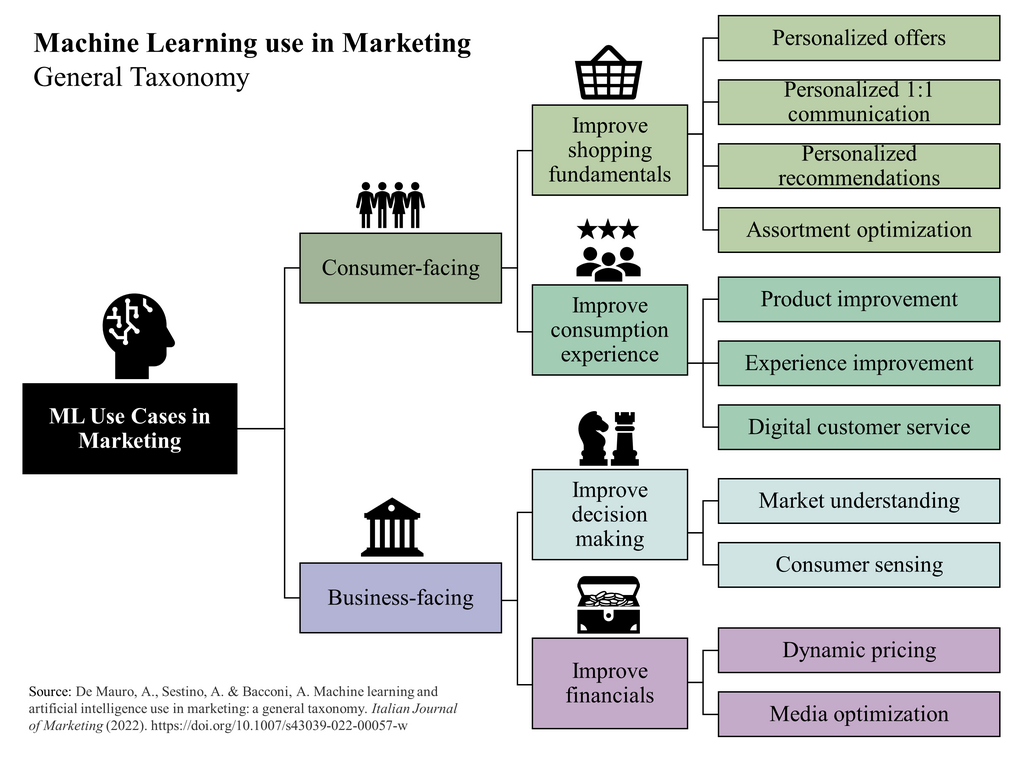
For example, AI can analyze a user's browsing history to show them products they're most likely to be interested in. It can power chatbots that provide instant answers to customer questions, 24/7. It can even help businesses predict which products will be popular next season, helping them manage their inventory better. It's all about using data to make better decisions, automatically and at scale.
The Benefits for Businesses
Integrating AI into e-commerce isn't just a trend; it's a strategic move with clear benefits. For businesses, AI helps drive growth by making operations more efficient and marketing more effective.
AI is a "force multiplier," enhancing customer experiences, streamlining operations, and optimizing supply chains.
The most significant advantage is personalization. AI enables retailers to tailor product recommendations, offers, and even the website's layout to individual shoppers. This creates a more engaging and relevant experience, which can lead to higher conversion rates and customer loyalty. Behind the scenes, AI optimizes everything from pricing strategies to fraud detection, reducing costs and increasing revenue.
Current trends show AI becoming more embedded in the core functions of e-commerce. AI-powered search engines deliver more accurate results, virtual assistants help shoppers find what they need through conversation, and predictive analytics inform everything from marketing campaigns to supply chain management. As the technology evolves, it's becoming an essential tool for any business looking to compete in the digital marketplace.