AI in Agriculture
Introduction to AI in Agriculture
Farming Gets Smarter
Artificial intelligence, or AI, is not about robots with personalities. At its core, AI is about creating computer systems that can perform tasks that usually require human intelligence. This includes things like learning from experience, recognizing patterns, and making predictions.
Think of it like an incredibly fast and observant farmhand. This farmhand can look at thousands of plants at once, remember weather patterns from the last fifty years, and calculate the perfect amount of water for each specific crop, all in the blink of an eye. That's the essence of what AI brings to any field, including agriculture.
For generations, farming has relied on experience, intuition, and hard work. But today's farmers face enormous challenges: a growing global population, changing climates, and the need to use resources like water and fertilizer more efficiently. AI offers a powerful set of tools to meet these challenges head-on, making farming more precise, productive, and sustainable.
AI in the Fields
So how does AI actually work on a farm? It often starts with data. Drones fly over fields, capturing high-resolution images. Sensors in the soil measure moisture and nutrient levels. Weather stations collect real-time climate data. This creates a massive amount of information that would be impossible for a person to analyze.
AI algorithms sift through this data to find meaningful patterns. They can identify which parts of a field are struggling, detect the presence of pests or disease before they spread, and predict how much a field will yield at the end of the season. This moves farming from a practice of averages, where a whole field is treated the same, to one of precision, where each plant can get exactly what it needs.
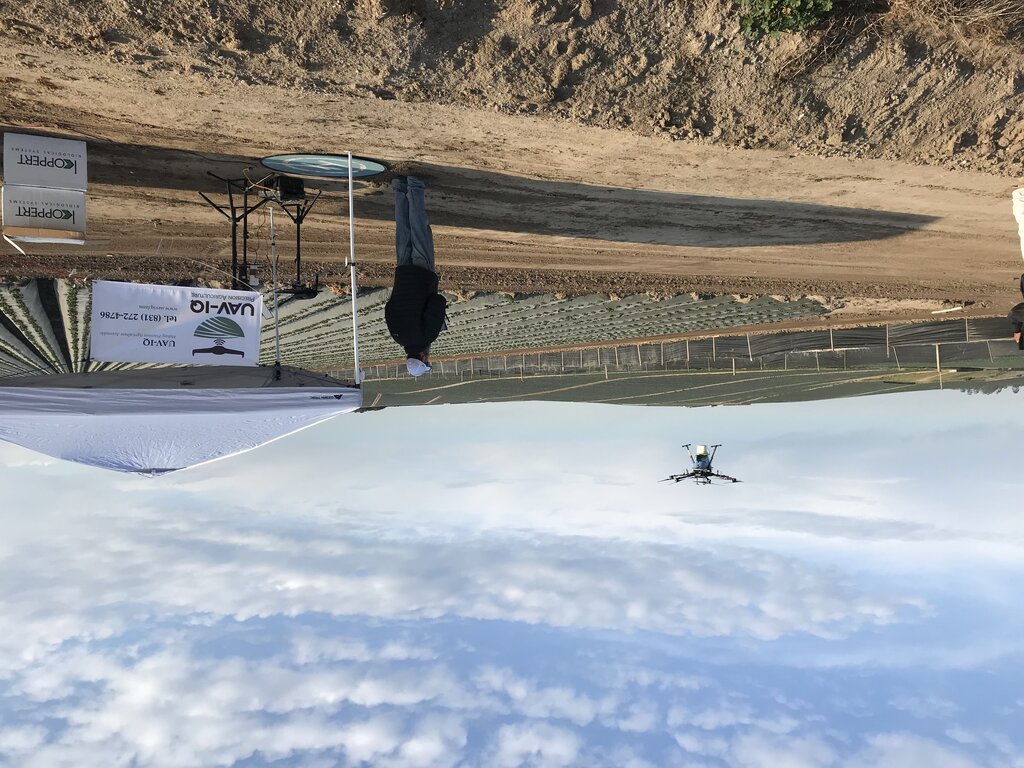
The benefits are clear. By applying water, fertilizer, and pesticides only where they're needed, farmers save money and reduce their environmental impact. Healthier plants lead to higher yields, meaning more food is produced on the same amount of land. This increased efficiency helps make farms more profitable and sustainable.
Instead of blanket solutions, AI allows for a plant-by-plant approach to farming, optimizing resource use and maximizing crop health.
Real-World Examples
This isn't science fiction. Farmers are using AI today in practical ways.
One common application is in weed control. Tractors equipped with cameras and AI software can travel through a field, identify weeds, and spray a tiny, targeted burst of herbicide directly onto them, leaving the crops untouched. This drastically reduces the amount of chemicals used.
Another example is in harvesting. Robotic harvesters use computer vision to identify ripe fruits or vegetables, check them for quality, and gently pick them. This can help solve labor shortages and ensure that produce is harvested at the perfect moment for peak freshness and flavor.
By leveraging the power of data, AI is helping to grow more food with fewer resources. It's the next step in the long history of agricultural innovation, enabling farmers to work smarter, not just harder.