AI in Accreditation
Introduction to AI in Accreditation
What Is AI, Really?
Artificial Intelligence, or AI, isn't about robots taking over the world. At its core, AI refers to computer systems that can perform tasks that normally require human intelligence. This includes things like learning from experience, understanding language, recognizing patterns, and making decisions.
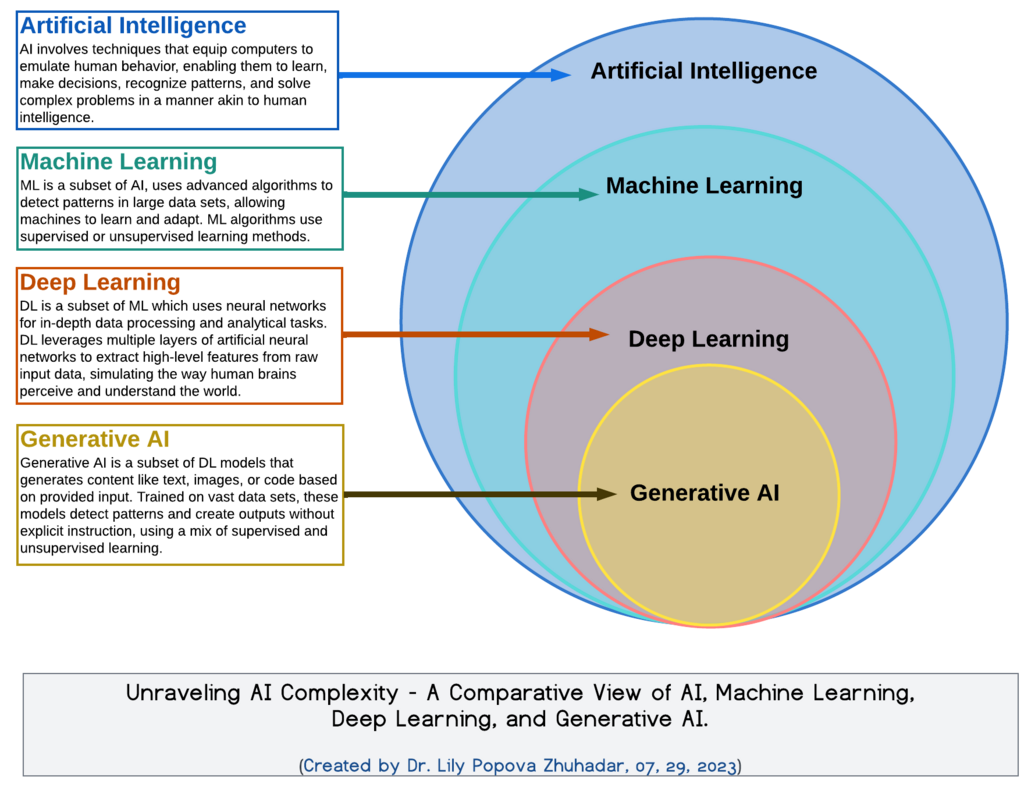
Think of AI as a broad category. Within it, you have Machine Learning (ML), where systems learn from data to improve at a task without being explicitly programmed. A spam filter that gets better at catching junk mail is a great example. A step deeper is Deep Learning (DL), which uses complex, multi-layered networks inspired by the human brain to handle vast amounts of data. This is the technology behind facial recognition and advanced language translation.
For our purposes, the key takeaway is that AI is a tool for automating complex tasks and finding meaningful insights in large datasets.
A Quick Look at Accreditation
In education, accreditation is a quality control process. It's how schools, universities, and specific programs demonstrate they meet certain standards of quality. Think of it as a stamp of approval that tells students, employers, and the public that an institution is credible.
The process is typically rigorous. It involves an institution conducting a detailed self-study, where it evaluates its own strengths and weaknesses against a set of standards. This is followed by a peer review, where experts from other institutions visit the campus, review documents, and interview staff and students. Finally, an accrediting agency makes a decision based on all the findings.
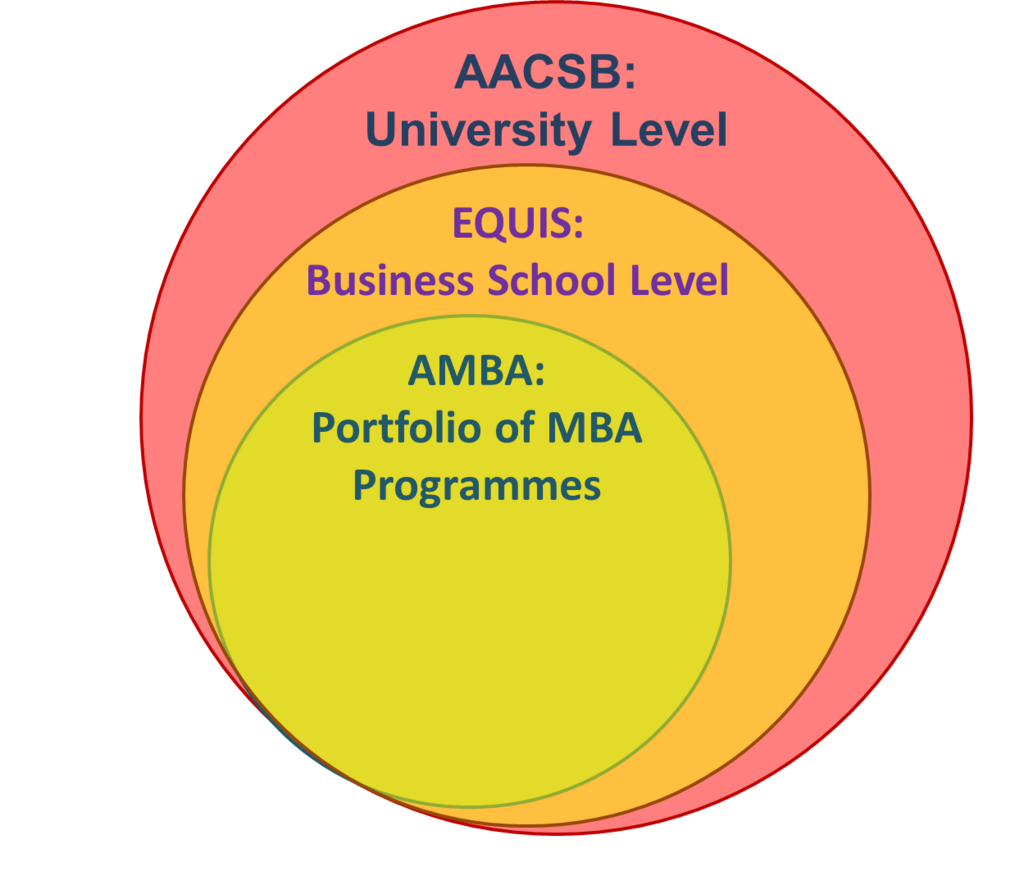
This process ensures accountability and encourages continuous improvement. But as you can imagine, it’s also incredibly time-consuming and document-heavy.
Where AI Fits In
This is where AI can be a game-changer. By applying AI technologies to the accreditation process, we can streamline many of the most labor-intensive steps. It's not about replacing human judgment, but augmenting it.
Here are a few key applications:
-
Automating Document Analysis: AI can quickly scan thousands of pages of self-study reports, course syllabi, and policy documents. It can check for compliance with specific standards, identify missing information, and even flag inconsistencies, saving reviewers countless hours.
-
Analyzing Institutional Data: Institutions collect massive amounts of data on student performance, retention rates, and faculty qualifications. AI can analyze this data to uncover trends and patterns that might not be obvious to a human reviewer, providing deeper insights into an institution's effectiveness.
-
Supporting Peer Reviewers: AI tools can act as an assistant for peer review teams. Before a site visit, an AI could pre-process all the submitted materials and generate a summary report, highlighting potential areas of concern or exemplary practices. This allows reviewers to focus their time and expertise on the most critical issues.
-
Streamlining Communication: AI-powered chatbots can handle routine inquiries from institutions about the accreditation process, freeing up staff to manage more complex issues.
The goal is to make the accreditation process more efficient, consistent, and data-driven, allowing everyone involved to focus on what truly matters: educational quality.
Benefits and Challenges
Integrating AI into accreditation offers clear benefits. The most obvious is a massive boost in efficiency. Tasks that once took weeks can be done in hours, reducing the administrative burden on both institutions and accrediting agencies. This leads to faster, more consistent decisions.
AI also enables a more evidence-based approach. Instead of relying solely on samples of documents, AI can analyze everything, providing a comprehensive and objective view of an institution's performance. This data-rich approach can lead to more accurate assessments and more meaningful feedback for improvement.
Artificial Intelligence (AI) in education offers transformative potential for personalized learning and administrative efficiency but raises ethical concerns about fairness, privacy, and accountability.
However, adopting AI is not without its challenges. One of the biggest is the risk of algorithmic bias. If the data used to train an AI model reflects historical biases, the AI may perpetuate or even amplify them in its analysis. Ensuring fairness is critical.
Data privacy and security are also paramount. The accreditation process involves sensitive information about students and faculty. This data must be handled securely and ethically.
Finally, it's crucial to remember that AI is a tool, not a replacement for human expertise. The nuanced judgments of experienced educators are irreplaceable. The most effective systems will be those that combine the analytical power of AI with the wisdom and oversight of human decision-makers.
Time to review what you've learned.
What is the primary role of AI in the context of educational accreditation?
Which of the following is a key challenge that must be addressed when implementing AI in accreditation?
By leveraging AI's ability to process vast amounts of information, the accreditation process can become more efficient and insightful. The key is to balance technological power with thoughtful human oversight to ensure the outcomes are fair, accurate, and truly improve educational quality.