AI Implementation Strategy and Execution
Strategic AI Alignment
From Idea to Impact
Adopting AI isn't about collecting cool tech; it's about solving real problems. The most common mistake organizations make is pursuing 'AI for AI's sake'—launching complex projects without a clear connection to business goals. This approach burns resources and leads to solutions in search of a problem. The key to success is strategic alignment: ensuring every AI initiative is a direct answer to an organizational need.
The goal is to move from theoretical possibilities to practical, measurable results. Before writing a single line of code, you must be able to answer: 'What specific business outcome will this project drive?'
The Impact-Feasibility Matrix
With endless possibilities, how do you decide where to start? The Impact-Feasibility Matrix is a simple but powerful tool for prioritizing AI projects. It forces you to evaluate each idea along two critical dimensions: its potential business impact and the practical feasibility of implementing it.
By plotting your potential projects on this matrix, priorities become clear:
- Quick Wins (High Impact, High Feasibility): This is your starting point. These projects, often called '', deliver tangible value quickly, building momentum and securing buy-in for future AI work.
- Major Projects (High Impact, Low Feasibility): These are long-term, transformative initiatives. They require significant investment but can redefine your business. They should be part of a larger strategic roadmap, not your first endeavor.
- Fill-ins (Low Impact, High Feasibility): These are nice-to-haves. They are easy to implement but don't move the needle much. They can be good for training junior team members or can be tackled when resources are available.
- Reconsider (Low Impact, Low Feasibility): These are money pits. Avoid them. They consume resources for little to no return.
Defining Success
Once you've chosen a project, you need to define what success looks like in concrete, measurable terms. This means moving beyond vague goals like "improve efficiency" and establishing specific metrics that tie directly to business KPIs. These metrics fall into two camps: business metrics and technical metrics.
If you can't measure it, you can't improve it. And if it doesn't align with a business KPI, it's not worth measuring.
Business metrics, like Return on Investment (ROI) or reduction in operational costs, are what executives care about. Technical metrics, such as model accuracy or latency, are what your engineering team will use to optimize the system. A great AI project has a clear line of sight from the technical metric to the business metric.
| AI Project | Technical Metric | Business Metric (KPI) |
|---|---|---|
| Predictive Maintenance | Model Accuracy (%) | Reduced Machine Downtime (%) |
| Automated Support Chatbot | Cost-per-request | Lower Customer Service Costs ($) |
| Sales Forecasting Model | Mean Absolute Error | Improved Inventory Accuracy (%) |
| Document Summarizer | p95 latency (ms) | Increased Employee Productivity (hours saved) |
An often-overlooked aspect of readiness is —the implied cost of rework caused by choosing an easy, limited solution now instead of using a better approach that would take longer. An organization with high technical debt will find it much harder to implement new AI systems, as they will be building on a shaky foundation. This, along with cultural readiness, must be assessed before committing to major projects. Is the team open to new workflows? Is the existing data clean and accessible? An honest assessment of these factors can mean the difference between success and failure.
Building the Roadmap
With your projects prioritized and your success metrics defined, the final step is to create a strategic roadmap. This isn't just a project plan; it's a living document that outlines the sequence of AI initiatives over time. It should start with quick wins to build momentum and gradually progress to more complex, major projects.
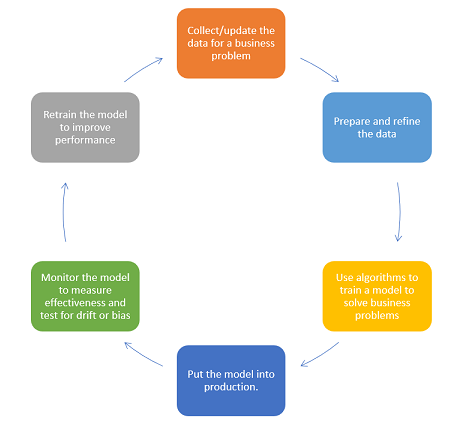
Your roadmap should connect each project to the resources required and the business value it's expected to deliver. This ensures that as your organization's AI maturity grows, your investments remain aligned with strategic goals, creating a compounding advantage over time.
What is the most common mistake organizations make when first adopting AI, according to the provided text?
Using the Impact-Feasibility Matrix, a project with high business impact but low implementation feasibility would be classified as a...
By following this strategic alignment process, you ensure your AI efforts are not just technical exercises, but powerful drivers of business value.