AI Implementation Mastery
Introduction to AI and ML
What Are AI and Machine Learning?
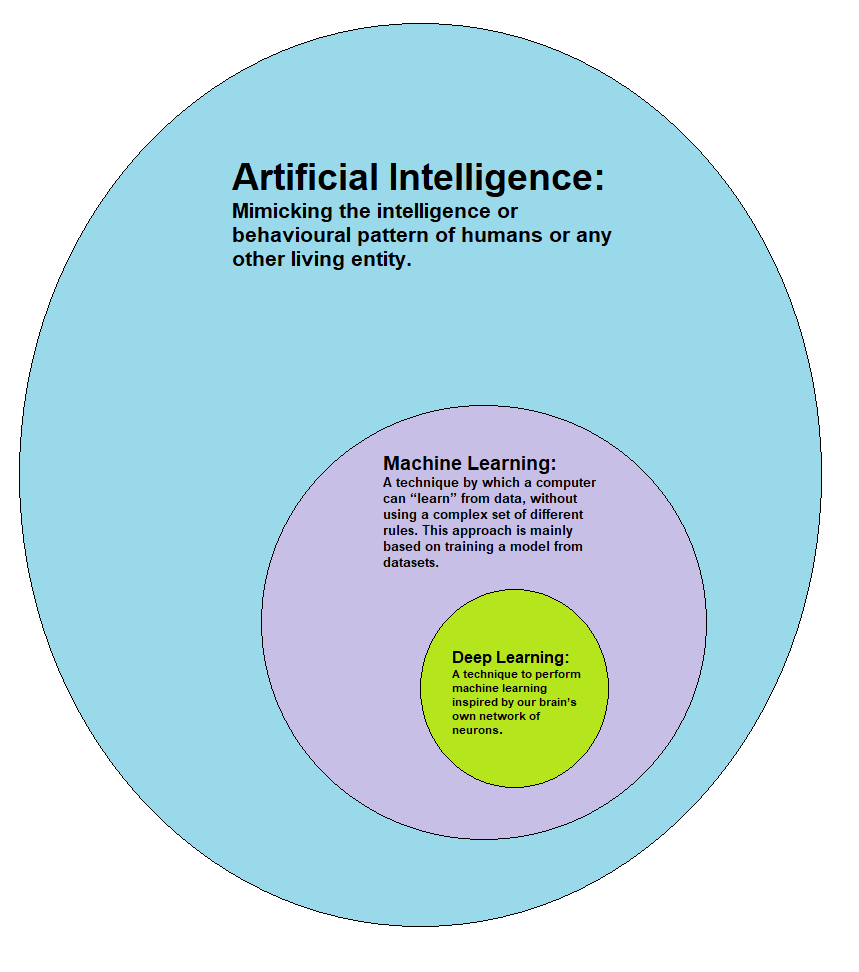
Artificial Intelligence (AI) is a broad field of computer science focused on creating machines that can perform tasks that typically require human intelligence. This includes things like reasoning, learning, problem-solving, and understanding language.
Think of AI as the larger goal: building smart machines. Machine Learning is one of the most powerful ways we get there.
Machine Learning (ML) is a subset of AI. Instead of being explicitly programmed with rules for every possible situation, an ML system learns directly from data. It identifies patterns and makes decisions with minimal human intervention. The more data it processes, the better it gets at a task. It's like teaching a child by showing them examples rather than writing a long list of instructions.
A Brief History
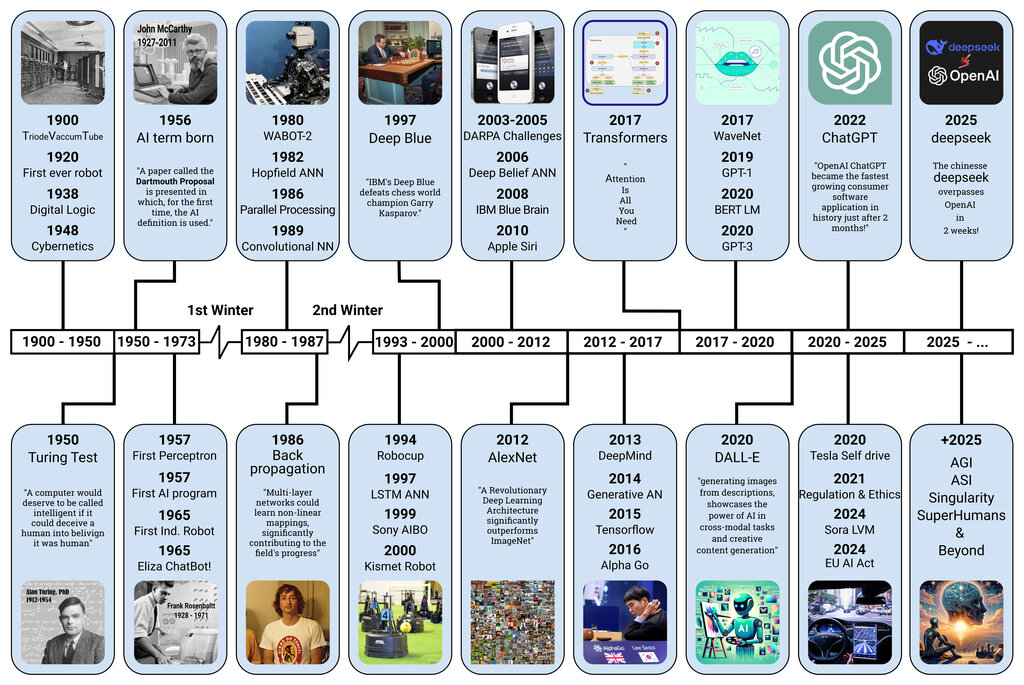
The dream of artificial minds has been around for centuries, but the scientific pursuit of AI began in the 1950s. Early researchers were optimistic, believing that a machine with human-like intelligence was just a few decades away. Progress was slower than expected, leading to periods of reduced funding and interest known as "AI winters."
However, breakthroughs in the 2000s, driven by massive increases in computing power and the availability of vast amounts of data, sparked a renaissance. Machine learning, once a niche subfield, became the driving force behind modern AI, powering everything from search engines to self-driving cars.
How Machines Learn
Machine learning isn't a single technique; it's a collection of different approaches. The method you use depends on the type of problem you're trying to solve and the kind of data you have. The three main types are supervised, unsupervised, and reinforcement learning.
Supervised Learning
noun
The model learns from data that is already labeled with the correct answers. It's like studying with flashcards that have questions on one side and answers on the other. The goal is to learn the mapping from input to output so it can predict the output for new, unseen data. This is the most common type of ML.
In unsupervised learning, the algorithm works with unlabeled data. It tries to find hidden patterns or intrinsic structures within the input data on its own, without any pre-existing answers to guide it. Think of it as being given a box of mixed-up photos and asked to sort them into piles of people who look similar.
Supervised learning predicts outcomes. Unsupervised learning discovers patterns.
Reinforcement learning is different. It's about training a model to make a sequence of decisions. The model, or "agent," learns by trial and error in an interactive environment. It receives rewards for good decisions and penalties for bad ones. The goal is to learn the best strategy, or "policy," to maximize its cumulative reward over time. This is similar to how you might train a pet with treats.
| Learning Type | Input Data | Goal | Business Example |
|---|---|---|---|
| Supervised | Labeled | Predict an outcome | Predicting house prices |
| Unsupervised | Unlabeled | Find hidden structure | Segmenting customers by behavior |
| Reinforcement | None (learns via interaction) | Learn an optimal policy | Optimizing a supply chain |
Why This Matters for Business
For modern enterprises, AI and ML aren't just buzzwords; they are fundamental tools for staying competitive. They allow businesses to extract insights from vast amounts of data, automate complex processes, and create more personalized customer experiences.
By leveraging ML, companies can move from reactive decision-making based on historical data to proactive strategies based on predictions of future trends. This can lead to improved efficiency, reduced costs, and the creation of entirely new products and services. From detecting fraudulent transactions in real-time to recommending the perfect product to an online shopper, the applications are transforming every industry.
What is the primary relationship between Artificial Intelligence (AI) and Machine Learning (ML)?
Which factor was a primary driver of the AI 'renaissance' in the 2000s after periods known as 'AI winters'?
Understanding these core concepts is the first step toward harnessing the power of AI in a business context.