AI Image Prompt Engineering
Introduction to AI Art Generators
Art at the Speed of Thought
Imagine describing a scene in words and having a unique, original image appear moments later. This isn't science fiction anymore. It's the world of AI art generators, powerful tools that turn text into visual art. In recent years, these tools have exploded in popularity, allowing anyone to create stunning images, from photorealistic portraits to abstract dreamscapes, just by typing a description.
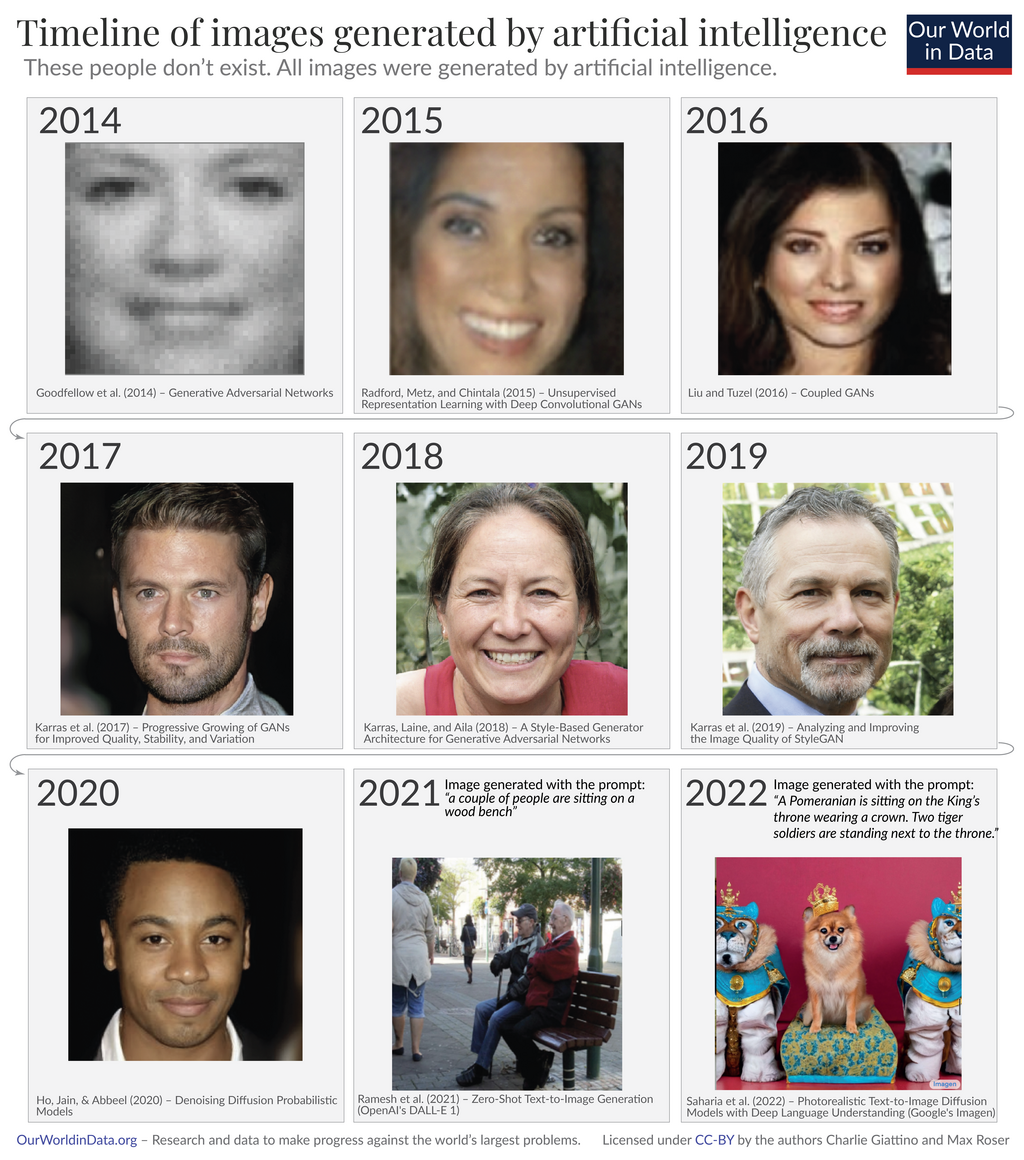
These generators are a form of generative AI, a branch of artificial intelligence focused on creating new content. Instead of just analyzing existing data, they produce something entirely new. This has opened up new avenues for artists, designers, and anyone with a creative idea.
The Big Three Platforms
While many AI art generators exist, three have become particularly well-known. Each has its own strengths and distinctive style.
- Midjourney: Often praised for its artistic, painterly, and sometimes surreal outputs. It operates primarily through the chat app Discord, giving it a unique, community-focused feel.
- DALL-E: Developed by OpenAI (the creators of ChatGPT), DALL-E is known for its ability to create a wide range of styles, including photorealistic and cartoonish images. It's often considered very user-friendly.
- Stable Diffusion: This is an open-source model, which means it's more flexible and accessible. Many different apps and services are built using Stable Diffusion, and tech-savvy users can even run it on their own computers. This flexibility allows for a high degree of customization.
Different AI art generators deliver different results, so it's worth experimenting to see which one best fits your creative vision.
How Does It Work?
The core of these tools is a process called text-to-image generation. You provide the AI with a written description, called a prompt, and it generates an image based on your words.
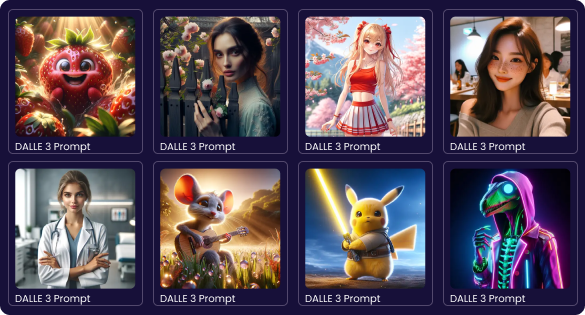
But how does the AI understand what
Perhaps the most important step in using generative AI is to first learn how to appropriately and effectively use these tools, which includes developing skills for effectively writing prompts—also known as prompt engineering.
The magic lies in the AI's training. Developers feed the model a massive dataset containing billions of images and their corresponding text descriptions from the internet. The AI learns the relationships between words and visual elements, recognizing patterns, styles, objects, and concepts.
When you enter a prompt, the AI doesn't just find an existing image. It uses its vast knowledge to create a brand new image from scratch that matches your description. Most modern generators use a technique called a diffusion model. They start with a field of random noise and gradually refine it, step by step, until it becomes a clear image that reflects the prompt.
The key to getting great results is learning how to communicate your ideas clearly to the AI. This process of crafting effective descriptions is called prompt engineering, which is a skill in itself.
Ready to check your understanding?
What is the general category of artificial intelligence that focuses on creating new content, such as images from text descriptions?
Which AI art generator is primarily accessed through the chat app Discord and is often praised for its artistic and painterly style?
AI art generators provide a powerful new way to bring ideas to life. By understanding the basics of how they work and the main platforms available, you're ready to start exploring the creative possibilities.