AI Image Generation Explained
Introduction to AI Image Generation
From Words to Images
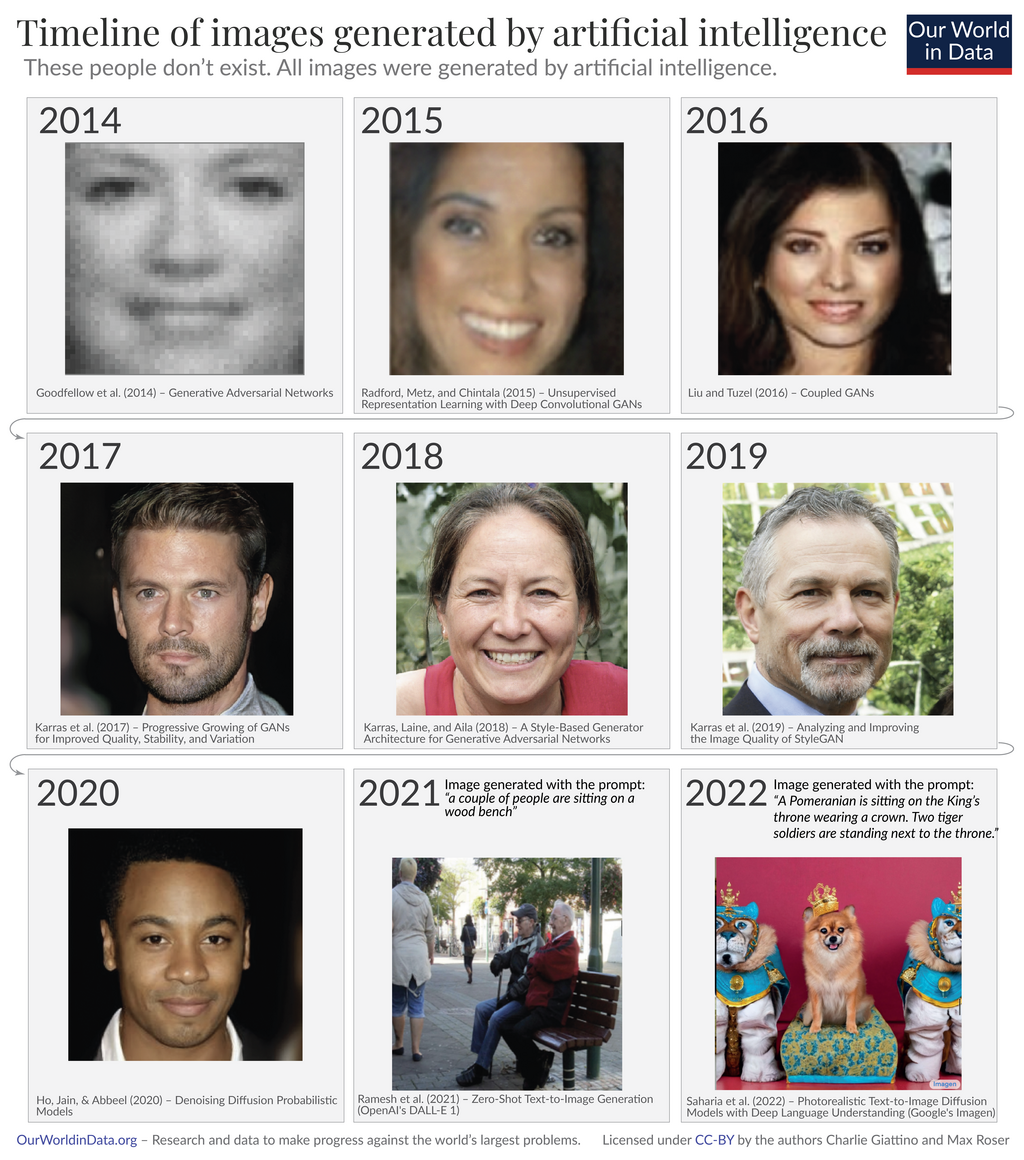
Artificial intelligence that creates images from simple text descriptions might seem like magic, but it's a technology built on decades of research. The journey began with simple, blurry images generated by early computer models. These systems could barely create recognizable shapes, let alone anything artistic or realistic.
Over time, as computing power grew and researchers developed more sophisticated algorithms, AI image generation took a massive leap forward. The models evolved from creating pixelated patterns to generating complex, high-resolution images that are often indistinguishable from photographs or human-made art. This rapid progress shows how quickly AI has learned to understand the relationship between language and visual information.
How AI Learns to Draw
At its core, a text-to-image model works by learning associations. Imagine showing a human artist millions of pictures, each with a caption. A picture of a cat in a field might be labeled "a fluffy white cat sitting in green grass under a blue sky." After seeing enough examples, the artist would learn what "cat," "grass," and "sky" look like and how they relate to each other.
AI models do something similar, but on an enormous scale. They are trained on vast datasets containing billions of images and their corresponding text descriptions. During this training process, the model learns complex patterns, connecting words to visual concepts, textures, colors, and styles. It isn't just memorizing images; it's learning the underlying concepts that make up an image. When you give it a prompt, it uses these learned patterns to generate a completely new image that matches your description.
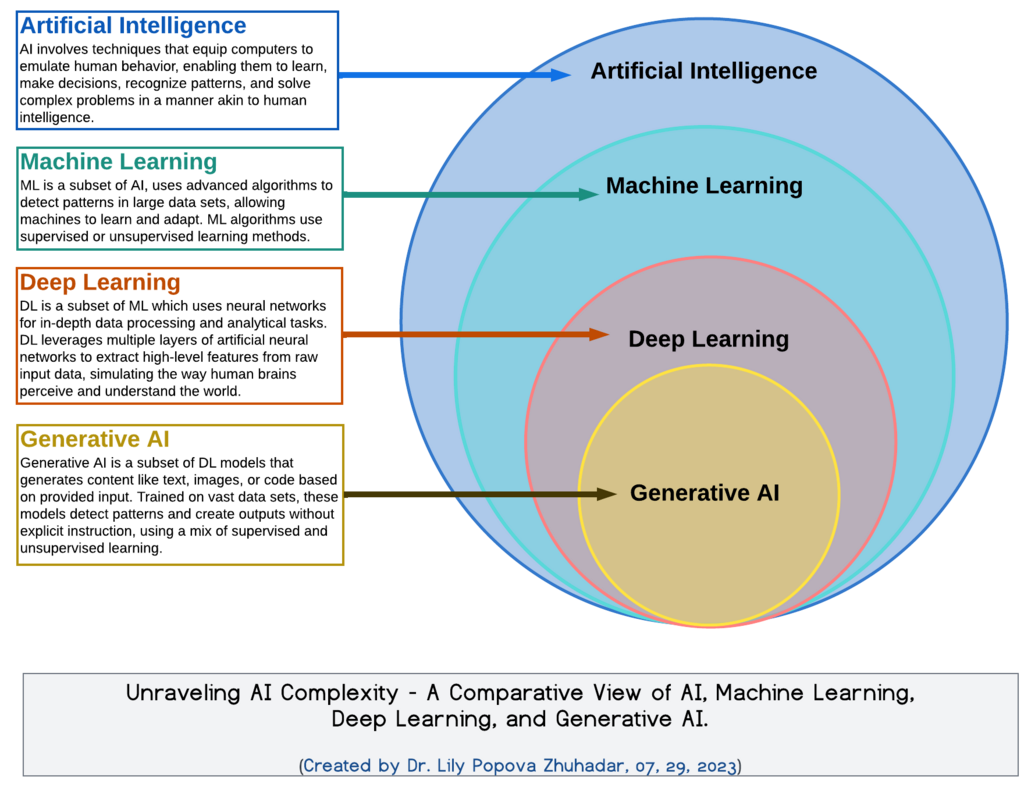
Generative AI models are essentially prediction tools, able to generate text, images, and code by predicting sequences based on the data they’ve been trained on.
The Challenge of Bias and Misinformation
The power of AI image generation comes with significant ethical challenges. One of the biggest issues is bias. Since these models learn from data created by humans, they can inherit and even amplify human biases. For example, if a dataset contains more images of male doctors than female doctors, the AI may be more likely to generate images of men when prompted with the word "doctor." This can reinforce harmful stereotypes.
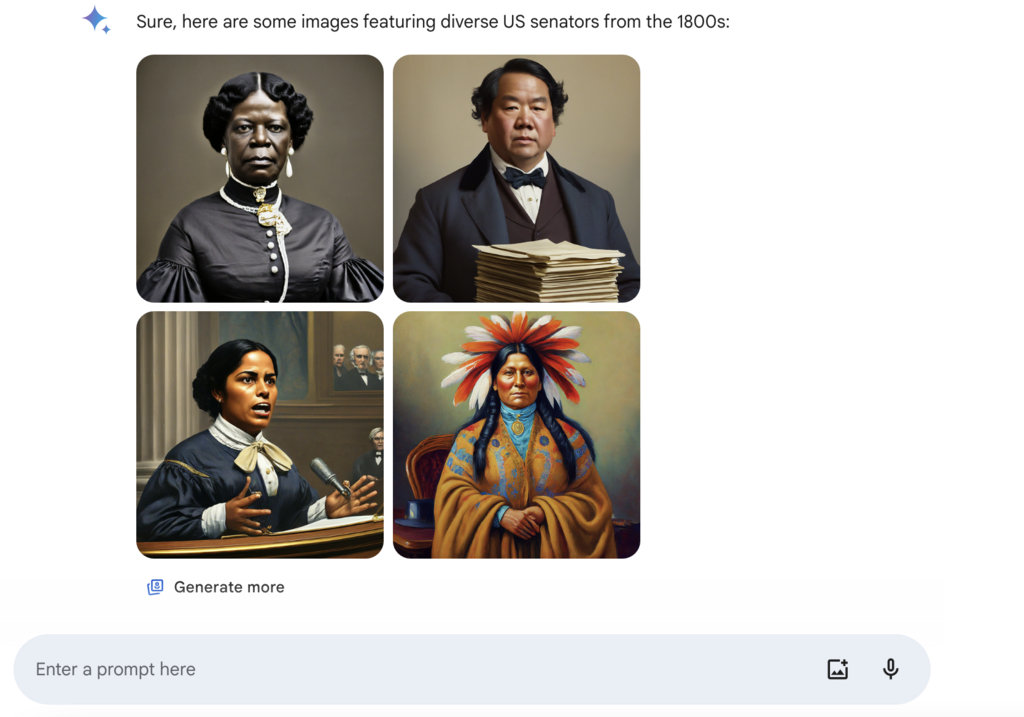
Another major concern is the potential for creating misinformation. The ability to generate highly realistic but entirely fake images makes it easier to spread false narratives, create fake evidence, or produce propaganda. Differentiating between real and AI-generated content is becoming increasingly difficult, creating a need for new ways to verify information.
As educational institutions grapple with teaching students about increasingly complex Artificial Intelligence (AI) systems, finding effective methods for explaining these technologies and their societal implications remains a major challenge.
Finally, AI image generation raises complex questions about intellectual property. If an AI is trained on millions of copyrighted images, who owns the new images it creates? Can an artist's style be copyrighted if an AI can learn to replicate it perfectly? These are open legal and ethical questions that society is still working to answer.
According to the text, what is the fundamental way a text-to-image AI model learns to create images?
What was a major factor that contributed to the evolution of AI image generation from blurry shapes to high-resolution images?