AI Governance Principles and Practices
Introduction to AI Governance
What Is AI Governance?
Artificial intelligence is becoming a powerful force in our world, from recommending movies to assisting in medical diagnoses. But like any powerful tool, it needs rules of the road. AI governance is the framework of rules, practices, and processes that guide the responsible creation and use of AI systems.
What is AI governance? At its core, it's the system of policies, structures, and practices that ensure AI is developed and used in a trustworthy, ethical, and lawful manner.
Think of it like the system we have for cars. We have laws for speed limits, requirements for driver's licenses, and standards for vehicle safety. These rules don't exist to stop people from driving; they exist to make sure everyone on the road is safer. AI governance aims to do the same thing for the digital world. It's not about stifling innovation. It’s about steering it in a direction that benefits everyone and minimizes harm.
Why We Need Guardrails
Without clear guidelines, AI can cause real problems. An AI system trained on biased historical data might learn to discriminate in hiring decisions, unfairly favoring one group over another. Algorithms designed to maximize engagement on social media can end up amplifying misinformation and polarizing society. The goal of governance is to anticipate these risks and build systems that are fair, safe, and aligned with our values from the start.
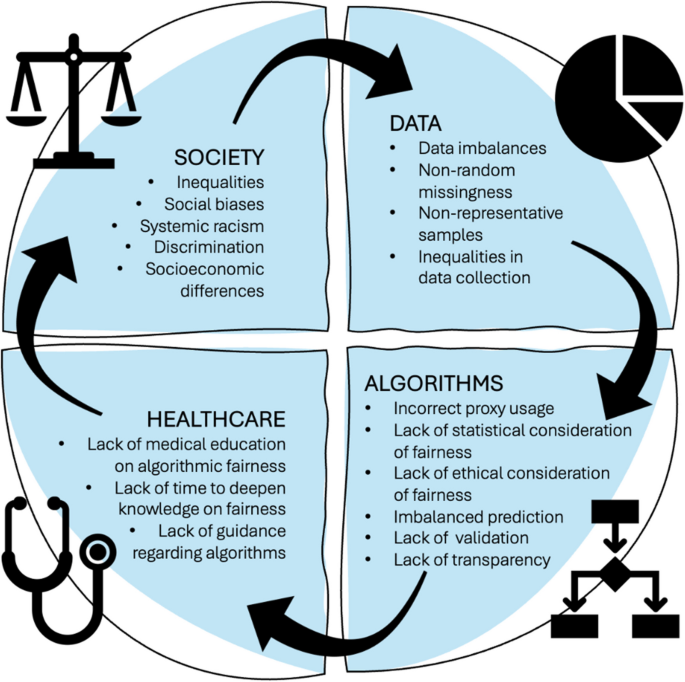
Effective governance builds public trust. When people know there are standards in place to ensure AI is used ethically, they're more likely to embrace the technology and its benefits. It’s about making sure AI serves humanity, not the other way around.
The Core Principles
AI governance is built on several key principles that work together to create trustworthy systems. These aren't just abstract ideas; they are practical requirements for any organization building or deploying AI.
Transparency: You should be able to understand how an AI system makes its decisions. If an AI denies you a loan, you have a right to know why. This is often called “explainability.” A black box system that provides answers without explanations is difficult to trust or troubleshoot.
Accountability: When an AI system makes a mistake, someone must be responsible. Is it the developer who wrote the code, the company that deployed the system, or the user who acted on its recommendation? Accountability means establishing clear lines of responsibility.
Fairness: AI systems must treat all individuals and groups equitably. This means actively working to identify and remove harmful biases from the data and algorithms, ensuring that the AI’s outcomes don’t perpetuate societal inequalities.
Human Oversight: AI should assist humans, not replace their judgment entirely, especially in high-stakes situations. A doctor should have the final say on a diagnosis suggested by an AI, and a judge should make the final sentencing decision. Keeping a “human in the loop” ensures that context, ethics, and common sense are part of the process.
These principles are interconnected. A transparent system is easier to hold accountable. A system that is audited for fairness requires human oversight. Together, they form the foundation for ethical AI.
| Principle | What It Means | Why It Matters |
|---|---|---|
| Transparency | Knowing how an AI makes decisions. | Builds trust and allows for debugging. |
| Accountability | Defining who is responsible for an AI's actions. | Ensures there's recourse if something goes wrong. |
| Fairness | Ensuring AI treats all people equitably. | Prevents discrimination and biased outcomes. |
| Human Oversight | Keeping humans involved in AI decisions. | Provides a final check and ethical judgment. |
Aligning AI with Human Values
Ultimately, the goal of AI governance is to ensure that these powerful systems operate in a way that respects human rights and upholds democratic values. AI should not be used to undermine privacy, spread disinformation that threatens public institutions, or automate injustice.
By establishing clear rules and principles from the outset, we can guide the development of AI toward solving some of humanity's biggest challenges, from curing diseases to combating climate change. Governance is the essential framework that will allow us to unlock the incredible potential of AI safely and responsibly.
The provided text compares AI governance to the system of rules we have for cars (e.g., speed limits, driver's licenses). What is the main point of this analogy?
According to the principles discussed, which of the following scenarios would be a primary concern for AI governance?
AI governance provides the necessary structure to build a future where technology empowers everyone.