AI Governance Explained
Introduction to AI Governance
What is AI Governance?
AI governance is the rulebook for artificial intelligence. It's a structured system of principles, rules, and practices designed to make sure AI systems are developed and used responsibly. Think of it as the framework that steers AI development in a direction that is safe, ethical, and beneficial to people.
Without clear governance, we risk creating powerful tools with unintended, and potentially harmful, consequences. The goal is to maximize AI's benefits while minimizing its risks, building a foundation of trust between humans and the intelligent systems we create.
An AI Agent Governance Framework is a structured system of principles, rules, and practices designed to manage and oversee the development, deployment, and operation of AI agents.
The Guiding Principles
Effective AI governance is built on a set of core principles. These aren't just abstract ideas; they are practical guides for anyone building or deploying AI systems. They act as a compass, ensuring technology serves humanity.
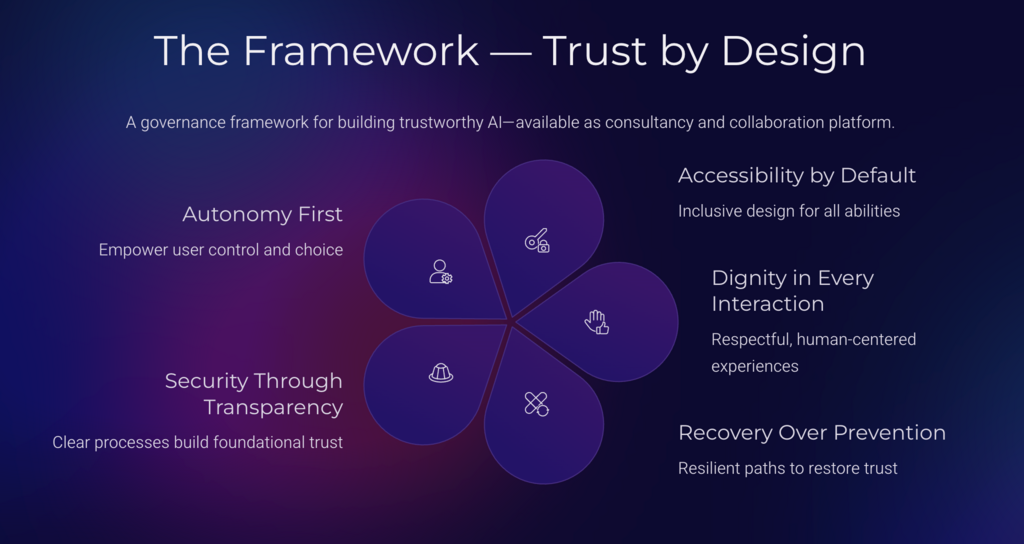
Human Agency and Oversight: People should remain in control of AI systems. This principle ensures that AI serves as a tool to augment human capabilities, not replace human autonomy. It means designing systems with a human-in-the-loop, where a person can intervene or override the AI's decisions, especially in high-stakes situations.
Accountability: If an AI system causes harm, someone must be responsible. Accountability means establishing clear lines of responsibility for the outcomes of AI systems. This isn't just about assigning blame when things go wrong; it's about creating a culture of responsibility throughout the AI's lifecycle, from the initial design to its final deployment.
Transparency: We should be able to understand how an AI system makes its decisions. Transparency is the opposite of a "black box" system where inputs go in and outputs come out with no explanation. It involves making the AI's decision-making process as clear and understandable as possible to its users and operators.
Fairness: AI should treat all individuals and groups equitably. This means actively working to identify and mitigate biases in the data used to train AI models. An AI system is only as fair as the data it learns from, so ensuring that data is representative and that the model's outputs don't perpetuate harmful stereotypes is critical.
Privacy and Data Governance: AI systems must respect user privacy and protect personal data. This involves secure data handling, providing users with control over their information, and being transparent about what data is collected and how it is used. Robust data governance is the bedrock of a trustworthy AI.
A Team Effort
AI governance isn't the job of a single group. It requires collaboration across different sectors of society, each playing a distinct but interconnected role.

Governments are responsible for setting the ground rules. They create laws and regulations that establish a baseline for AI safety and ethics, protecting citizens while encouraging innovation.
Industry leaders and companies are on the front lines, building and deploying AI. Their role is to translate high-level principles into practice, embedding ethical considerations directly into their design and development processes.
Civil society, including academics, advocacy groups, and the general public, acts as a crucial watchdog. They hold governments and industries accountable, conduct research on the societal impacts of AI, and ensure that a wide range of voices are included in the conversation about how AI should be governed.
By working together, these stakeholders can create a balanced and effective governance framework that fosters responsible innovation and ensures AI develops in a way that benefits everyone.