AI Fundamentals Unveiled
Introduction to Artificial Intelligence
What Is Artificial Intelligence?
Artificial intelligence is the science and engineering of making intelligent machines. The core idea is to build computer systems that can perform tasks normally requiring human intelligence. This includes things like learning from experience, understanding language, recognizing objects in photos, solving complex problems, and making decisions.
Think of it this way: instead of programming a computer with a rigid set of instructions for every possible scenario, AI allows a computer to figure things out for itself.
It's a broad field, covering everything from simple bots that can answer customer service questions to complex systems that can pilot a car or discover new medicines. The goal isn't necessarily to replicate a human mind, but to create tools that can reason, learn, and adapt to help us solve problems more effectively.
A Brief History of AI
The dream of creating intelligent machines has been around for centuries, but the modern field of AI has a clear starting point. In the summer of 1956, a group of researchers gathered for a workshop at Dartmouth College. It was here that the term "artificial intelligence" was officially coined, and the field was established as a formal area of study.
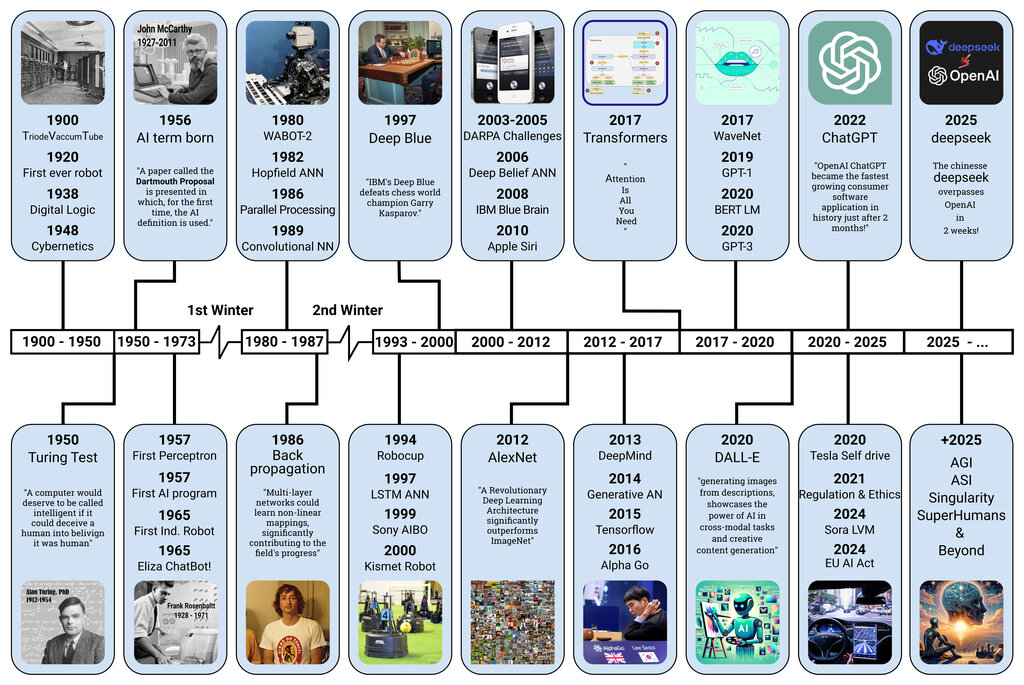
The early years were filled with optimism. Researchers developed programs that could solve algebra problems and play checkers. But progress was slower than expected. The complexity of creating true intelligence led to periods known as "AI winters," when funding dried up and interest waned.
Everything changed with the rise of the internet and the explosion of available data. Paired with massive increases in computing power, these developments fueled a resurgence. AI began to learn from vast datasets, leading to the powerful applications we see today.
The Branches of AI
AI isn't a single technology. It’s a collection of different disciplines and techniques, each suited for different tasks. Understanding these branches helps clarify what AI can do.
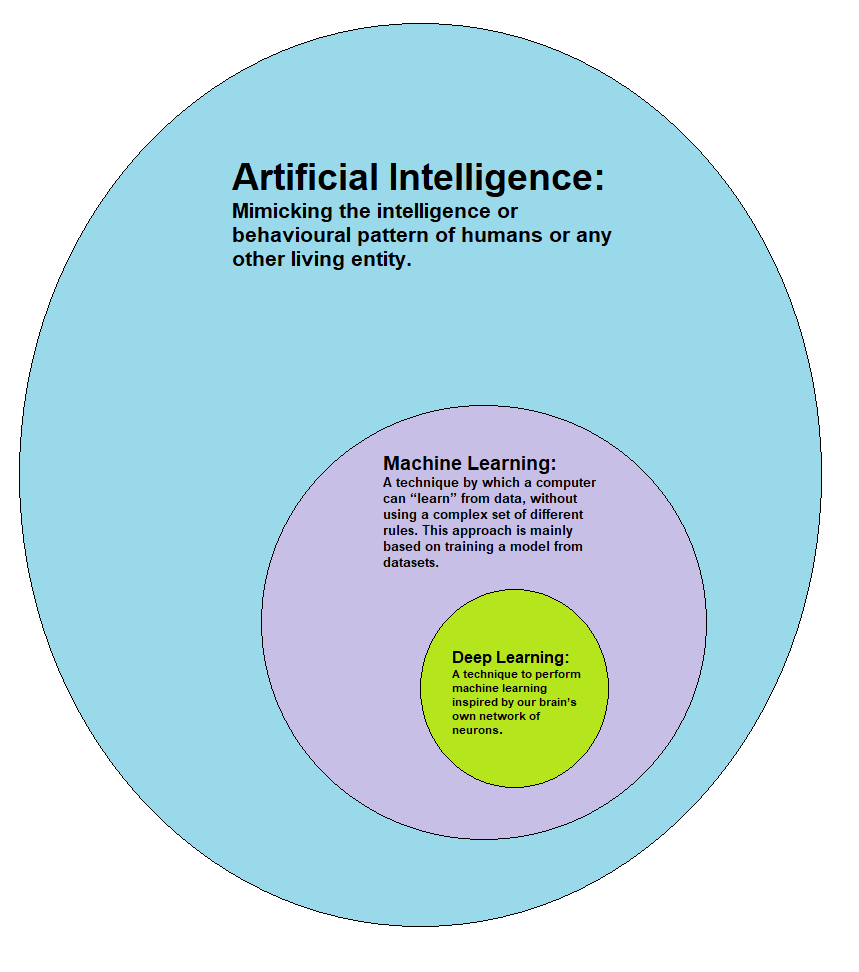
First, there's Machine Learning (ML). This is the most common form of AI today. Instead of being programmed with rules, an ML system learns patterns directly from data. A spam filter is a classic example. It isn't told what makes an email spam; it learns to recognize it by analyzing thousands of examples of spam and non-spam emails.
Deep Learning is a powerful type of machine learning inspired by the structure of the human brain. It uses complex, multi-layered "neural networks" to find intricate patterns in huge amounts of data. Deep learning is the technology behind self-driving cars recognizing pedestrians and voice assistants understanding your commands.
Natural Language Processing (NLP) focuses on the interaction between computers and human language. The goal is to enable computers to understand, interpret, and generate human language in a valuable way. Every time you use a translation app or ask a chatbot a question, you're using NLP.
Computer Vision gives machines the ability to see. It's how computers interpret and understand information from images and videos. This is what allows your phone to recognize your face to unlock, helps doctors analyze medical scans, and lets autonomous vehicles "see" the road.
Finally, Expert Systems were an early form of AI designed to mimic the decision-making ability of a human expert in a specific field. They use a database of knowledge and a set of rules to solve problems. While less common now, their principles have influenced modern AI systems that provide recommendations and diagnoses.
AI in the Real World
Artificial intelligence has moved from research labs into our daily lives. Its applications are everywhere, transforming industries and changing how we work and interact.
-
Healthcare: AI helps analyze medical images like X-rays and MRIs to detect diseases earlier and more accurately. It also powers tools that can predict patient outcomes and personalize treatment plans.
-
Finance: Banks use AI to detect fraudulent transactions in real time, assess credit risk for loans, and power algorithmic trading systems that analyze market conditions.
-
Transportation: The most visible application is in self-driving cars, but AI also optimizes traffic flow in cities and manages logistics for shipping companies, ensuring packages get delivered on time.
-
Entertainment: Recommendation engines on streaming services like Netflix and Spotify use AI to learn your preferences and suggest new movies, shows, and music you might like.
-
Customer Service: Many companies now use AI-powered chatbots to provide instant support to customers, answering common questions and resolving issues 24/7.
Ready to test your knowledge? This quiz will cover the core ideas we've just discussed.
What is the core idea behind artificial intelligence?
The term "artificial intelligence" was officially coined at a workshop held at which institution?
From its conceptual beginnings to its widespread modern applications, AI is a field that continues to evolve rapidly, shaping our world in profound ways.