AI Fundamentals
Introduction to Artificial Intelligence
What is AI?
Artificial intelligence is about teaching machines to think, learn, and solve problems. Think of it like teaching a person, but instead of a brain, you have a computer. The goal is to create systems that can perform tasks that normally require human intelligence.
AI isn't a single thing, but a broad field of computer science focused on creating intelligent agents, which are systems that can reason, learn, and act autonomously.
The main objectives of AI are to build machines that can:
- Reason and problem-solve: Look at a situation and figure out the best course of action.
- Learn from experience: Get better at a task by analyzing past results.
- Understand language: Process and respond to human speech or text.
- Perceive the world: Interpret information from sensors, like cameras and microphones, to understand their surroundings.
- Interact with the physical world: Move and manipulate objects.
The Branches of AI
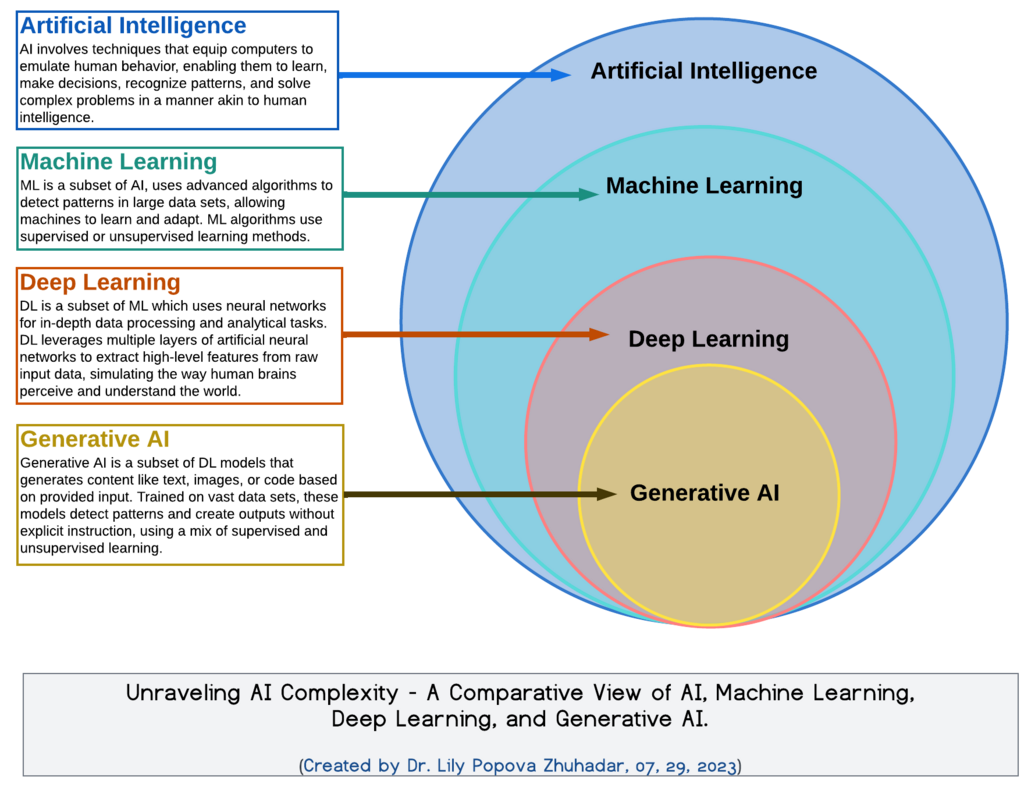
AI is an umbrella term that covers several specialized subfields. While there are many, three of the most important branches are machine learning, natural language processing, and robotics. Each one tackles a different aspect of creating intelligence.
Machine Learning (ML)
Machine learning is the engine that powers most modern AI. Instead of writing step-by-step instructions for a task, developers create algorithms that allow computers to learn directly from data. The machine looks for patterns and makes predictions or decisions based on what it finds.
A classic example is an email spam filter. It isn't programmed with a list of every possible spam message. Instead, it learns to identify junk mail by analyzing thousands of emails that have been labeled as "spam" or "not spam."
Natural Language Processing (NLP)
This branch of AI focuses on the interaction between computers and human language. The goal of NLP is to enable machines to read, understand, interpret, and generate language in a way that is valuable. It's the technology behind virtual assistants understanding your commands, translation apps converting Spanish to Japanese, and chatbots answering customer questions.
Robotics
Robotics gives AI a physical body to interact with the world. This field combines computer science and engineering to design, build, and operate robots. A robot uses sensors to perceive its environment (like cameras for sight) and actuators to perform actions (like motors to move a robotic arm). Robotics is where AI's ability to perceive, plan, and act comes together to perform tasks in the real world, from assembling cars to exploring other planets.
Why AI Matters
AI is becoming fundamental to modern technology because it helps us make sense of the vast amounts of data the world generates every day. Humans are great at finding patterns, but we have our limits. AI can analyze complex data at a scale and speed that's impossible for us.
This ability to process and learn from data allows us to tackle complex problems in fields like medicine, finance, transportation, and entertainment. AI isn't just about creating smart machines; it's about building tools that extend our own capabilities.
Understanding these core concepts—what AI is, its main branches, and its overall significance—provides the foundation for exploring this transformative technology more deeply.
What is the fundamental goal of Artificial Intelligence?
A developer creates an email spam filter. Instead of programming a list of every possible spam message, the system learns to identify junk mail by analyzing thousands of emails. This is a classic example of which AI branch?