AI Fundamentals History Theory and Generative Applications
Introduction to Artificial Intelligence
What Is Artificial Intelligence?
Artificial intelligence, or AI, is a field of computer science dedicated to creating machines that can perform tasks that typically require human intelligence. This includes abilities like learning from experience, solving problems, understanding language, and recognizing objects and sounds.
At its core, AI isn't a single technology but a broad concept. It ranges from a simple calculator solving a math problem to complex systems that can drive a car or diagnose diseases. The ultimate goal is to build systems that can operate autonomously, making decisions and taking actions without human intervention.
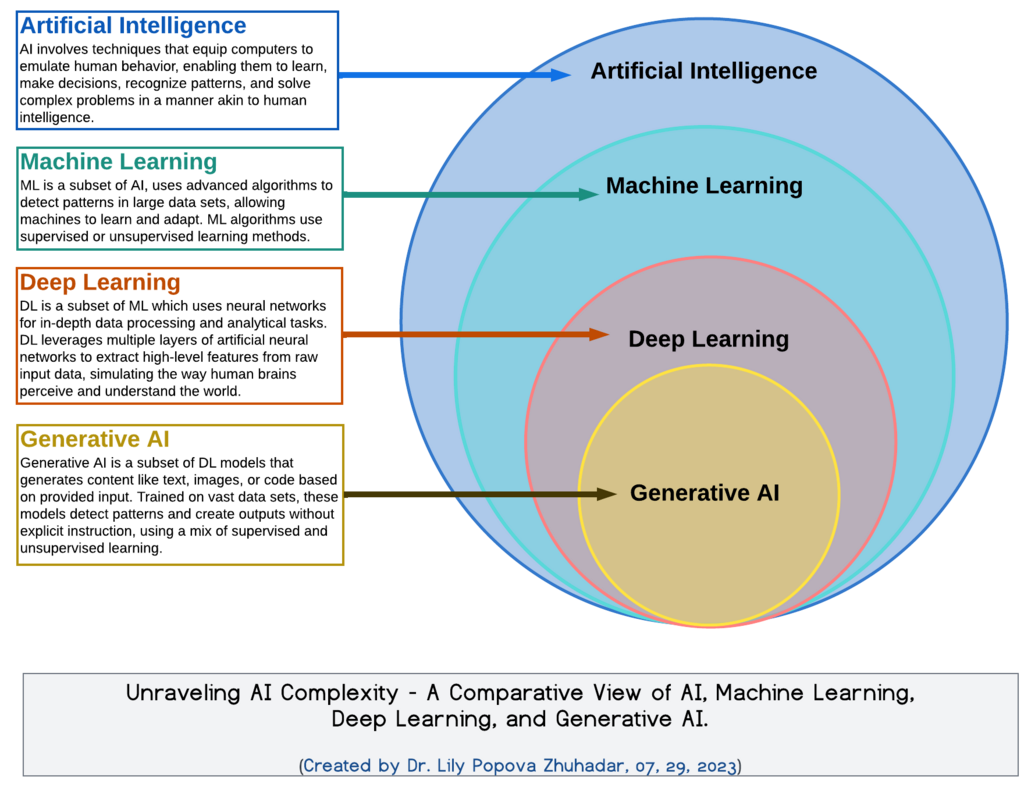
These different areas of AI build on each other, allowing for increasingly sophisticated applications. But this complex ecosystem didn't appear overnight. It's the result of decades of research and breakthroughs.
A Brief History of AI
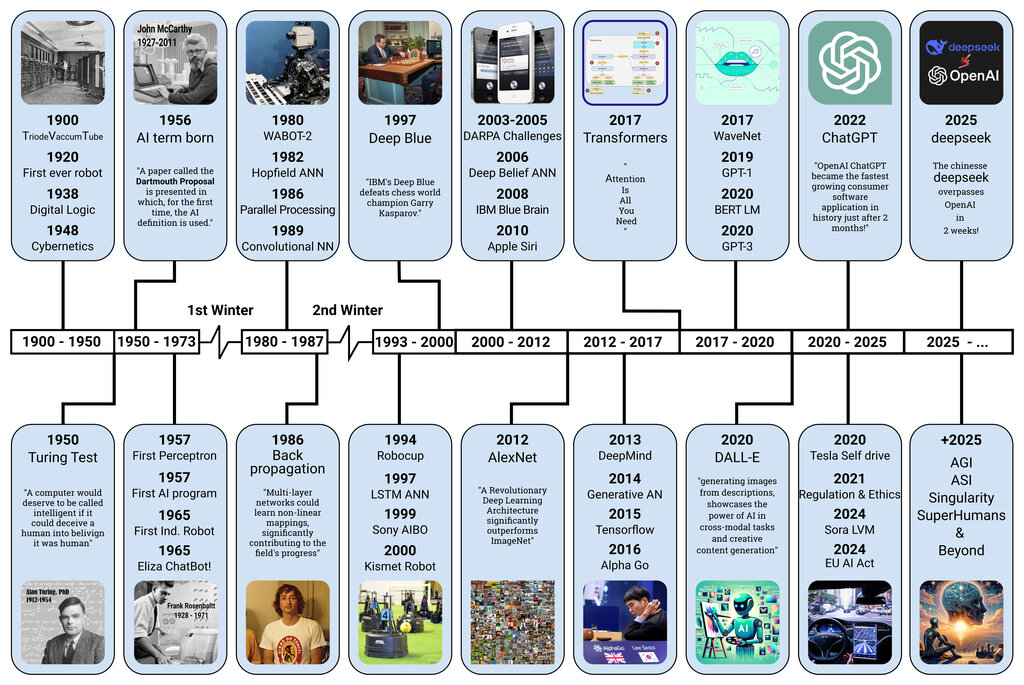
The idea of intelligent machines has been around for centuries, but the modern field of AI has more concrete origins. Many point to a specific event as its official beginning.
In the summer of 1956, a group of scientists gathered at Dartmouth College for a workshop. It was here that the term “Artificial Intelligence” was first coined, kicking off a new era of research.
This event, known as the Dartmouth Summer Research Project on Artificial Intelligence, laid the groundwork for the decades of exploration that followed. Early research focused on solving puzzles and playing strategic games like chess, demonstrating that machines could, in limited ways, exhibit intelligent behavior.
Progress came in waves, with periods of rapid advancement followed by “AI winters” where funding and interest dwindled. However, with the rise of powerful computers and the availability of massive amounts of data, AI has experienced a major resurgence.
The Branches of AI
AI is not a monolith. It's an umbrella term that covers several specialized subfields. Understanding these branches helps clarify what AI can do.
Machine learning
noun
A subset of AI where algorithms are trained on data to find patterns and make predictions without being explicitly programmed for the task.
Machine learning (ML) is one of the most significant drivers of modern AI. Instead of writing rules by hand, developers feed an ML model vast amounts of data and let it figure out the rules for itself.
Natural language processing
noun
A field of AI focused on enabling computers to understand, interpret, and generate human language.
Natural language processing, or NLP, bridges the gap between human communication and computer understanding. It's the technology behind language translation, chatbots, and sentiment analysis.
Computer vision
noun
An area of AI that trains computers to interpret and understand information from digital images, videos, and other visual inputs.
These three subfields are foundational to many of the AI tools we use today. They often work together to create powerful and seamless experiences, from navigating a map with voice commands to identifying products with a smartphone camera.
What is considered the primary goal of artificial intelligence?
Which historical event is widely considered the official beginning of the modern field of AI research?
With a grasp of what AI is, where it came from, and its major branches, you're ready to explore how these concepts are put into practice.