AI Fundamentals For Beginners
Introduction to Artificial Intelligence
What Exactly Is AI?
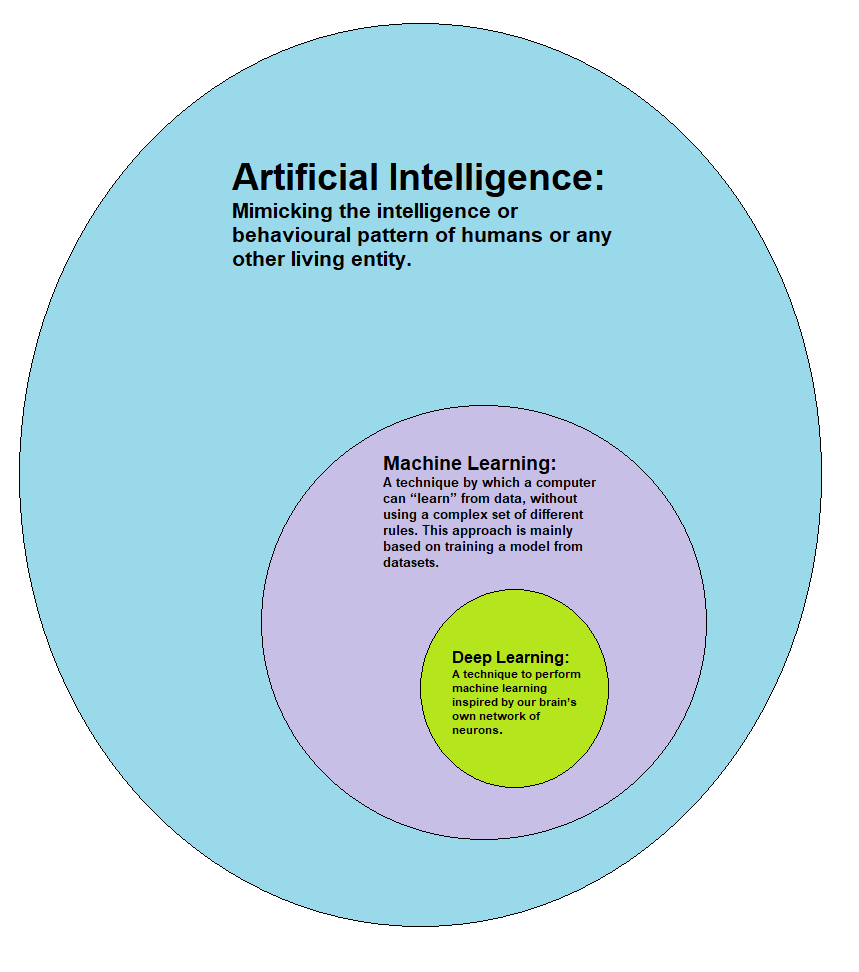
Artificial intelligence is the science of making machines that can think like humans. The goal is to create systems that can learn from data, reason through problems, and adapt to new situations. Think of it less like a pre-programmed robot following a script and more like a digital brain that can develop its own understanding.
At its core, AI is about building computer systems that can perform tasks that typically require human intelligence. This includes things like understanding language, recognizing images, making decisions, and solving complex problems.
AI isn't a single technology. It's a broad field of computer science with many different branches and techniques. You've likely heard of machine learning and deep learning, which are powerful subsets of AI that allow systems to learn patterns from vast amounts of data without being explicitly programmed for every possible scenario.
A Brief History
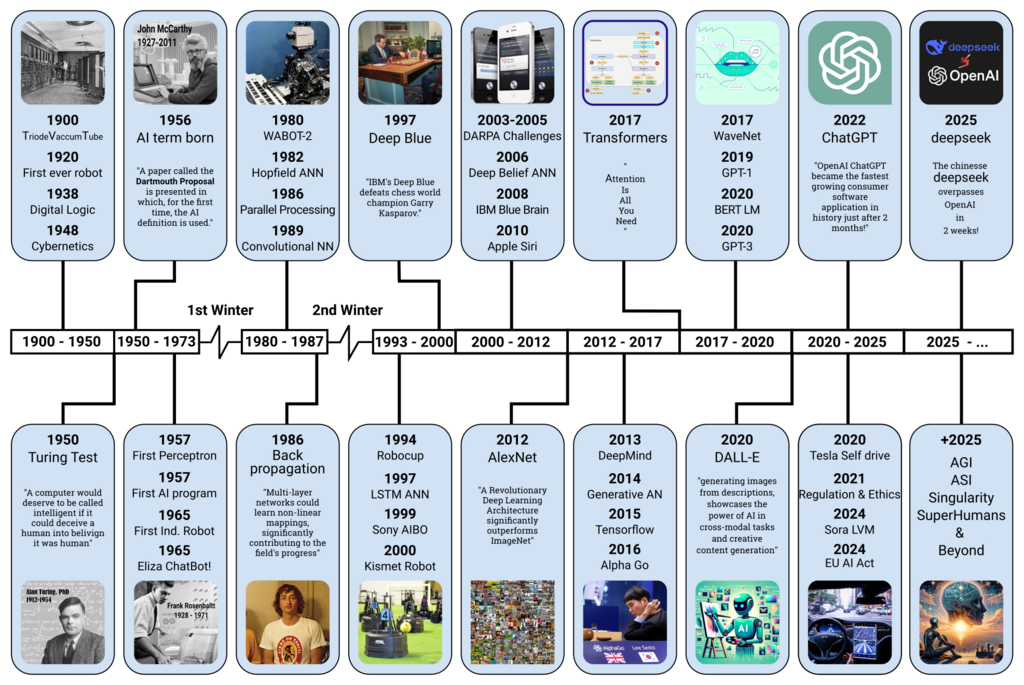
The dream of intelligent machines is old, but the formal field of AI research began in the mid-1950s. Early researchers were incredibly optimistic, predicting that machines with human-like intelligence were just a few decades away. This initial excitement was followed by periods of disillusionment known as "AI winters," when funding dried up and progress stalled.
What changed? The last couple of decades have seen an explosion in AI capabilities, driven by two key factors: the availability of massive datasets (the internet is a giant data factory) and the development of powerful, specialized computer hardware that can process it all. This combination has allowed old ideas to finally be put into practice, leading to the AI boom we see today.
The Three Types of AI
When people talk about AI, they are usually referring to one of three types, categorized by their level of intelligence. Understanding these distinctions is key to cutting through the hype.
The vast majority of AI in the world today is Artificial Narrow Intelligence (ANI). ANI is designed to perform a single, specific task extremely well. Your spam filter, a chess-playing computer, a language translation app, or the recommendation algorithm on a streaming service are all examples of narrow AI. It's powerful, but it can't operate outside its designated function.
The next level is Artificial General Intelligence (AGI). This is the type of AI you often see in science fiction—a machine with the ability to understand, learn, and apply its intelligence to solve any problem, just like a human being. AGI is the holy grail for many AI researchers, but it remains a theoretical concept. We are not there yet.
Finally, there is Artificial Superintelligence (ASI). This theoretical form of AI would not just mimic human intelligence; it would surpass it in every way, from creativity and problem-solving to social skills. The potential implications of ASI are profound and the subject of much debate among scientists and ethicists.
AI in the Real World
Beyond the theory, narrow AI is already a part of our daily lives and a powerful tool across many industries. It's not just about convenience; it's driving significant innovation.
| Industry | AI Application |
|---|---|
| Healthcare | Analyzing medical images to detect diseases earlier. |
| Finance | Detecting fraudulent transactions in real-time. |
| Automotive | Powering self-driving features in vehicles. |
| Retail | Personalizing shopping recommendations. |
| Entertainment | Generating movie suggestions and creating content. |
| Agriculture | Optimizing crop yields with data analysis. |
Now that you have a grasp of the basics, you're ready to explore the specific technologies that make AI work.
What is the primary goal of Artificial Intelligence as a scientific field?
According to the text, what two key factors are most responsible for the recent rapid advancement in AI capabilities?