AI Fundamentals Explained
Introduction to Artificial Intelligence
What Is Artificial Intelligence?
Artificial intelligence is the science of making machines that can think like humans. This doesn't mean they have feelings or consciousness. It means they can perform tasks that typically require human intelligence: learning from experience, recognizing patterns, understanding language, and making decisions.
Think of it this way: a calculator can do math faster than any human, but it can't learn. It just follows instructions. An AI, on the other hand, can be trained to recognize a cat in a photo, something a simple calculator could never do.
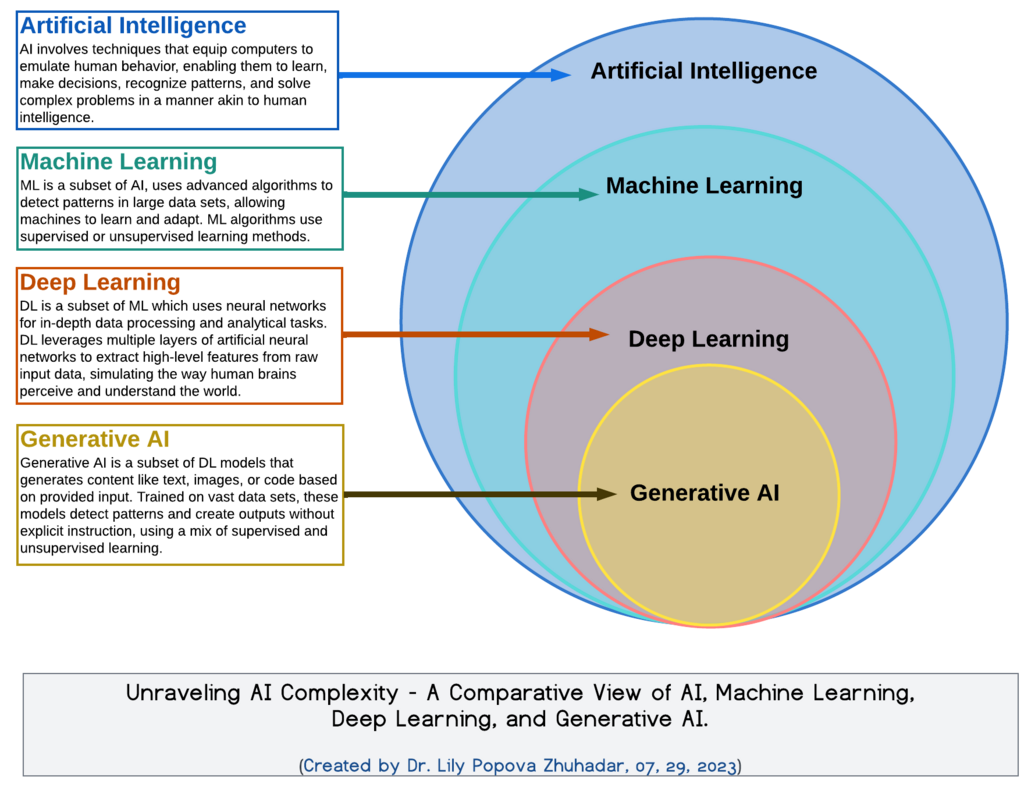
At its core, AI is about creating algorithms, or sets of rules, that allow a computer to process information and produce an outcome. Early AI systems were based on rigid, hand-coded rules. Modern AI systems often learn these rules on their own by analyzing vast amounts of data.
A Brief History
The dream of intelligent machines is ancient, but the actual field of AI began in the 1950s. The term "artificial intelligence" was coined at a workshop at Dartmouth College in 1956. Early researchers were optimistic, believing that a machine as intelligent as a human being was just a few decades away.
Progress was slower than expected. The initial excitement led to periods known as "AI winters," when funding and interest dried up due to unfulfilled promises. However, breakthroughs in the 1990s and 2000s, driven by faster computers and the availability of massive datasets, reignited the field. A major milestone was in 1997, when IBM's Deep Blue supercomputer defeated the world chess champion, Garry Kasparov.

The Branches of AI
AI isn't a single technology. It's a broad field with many specialized subfields. Think of it like biology, which includes everything from botany to genetics. A few key branches of AI are essential to understand.
Machine Learning
noun
A subset of AI where systems learn and improve from experience without being explicitly programmed. Instead of being given rules, the machine finds patterns in data.
Machine Learning (ML) is one of the most significant and influential parts of AI today. It's the engine behind recommendation systems on streaming services and the facial recognition that unlocks your phone.
Natural Language Processing
noun
The branch of AI focused on enabling computers to understand, interpret, and generate human language. This includes both text and speech.
Natural Language Processing, or NLP, bridges the gap between human communication and computer understanding. It powers everything from language translation apps to chatbots that provide customer service.
Robotics
noun
A field that involves the design, construction, operation, and use of robots. It integrates AI with physical machines that can interact with the world.
When AI is given a physical body, you get robotics. These aren't just the walking, talking robots from movies. They include self-driving cars, automated warehouse systems, and surgical assistants that help doctors perform delicate operations.
AI in the Real World
AI is no longer just a concept in a research lab. It's integrated into countless products and services we use every day. In healthcare, AI helps doctors diagnose diseases from medical images with greater accuracy. In finance, it detects fraudulent transactions in real time.
In the entertainment industry, AI algorithms recommend movies and songs tailored to your tastes. Logistics companies use AI to optimize delivery routes, saving fuel and time. These applications show how AI is becoming a general-purpose technology, much like electricity, that transforms entire industries.
Let's check your understanding of these core concepts.
What is the primary goal of artificial intelligence?
The periods when funding and interest in AI dried up due to unfulfilled promises are known as ____.
This introduction has covered the basic definition, history, and major branches of AI. You're now ready to explore these topics in greater detail.