AI Fundamentals Explained
Introduction to Artificial Intelligence
What Is Artificial Intelligence?
Artificial intelligence, or AI, is the science of making machines that can think or act intelligently. The goal is to create systems that can perform tasks that typically require human intelligence, like learning, reasoning, problem-solving, and understanding language.
Artificial Intelligence
noun
A branch of computer science dealing with the simulation of intelligent behavior in computers.
Think of it like teaching a computer to see, hear, and make decisions. Instead of just following a strict set of pre-programmed instructions, an AI system can analyze vast amounts of data, recognize patterns, and adapt its behavior over time. This ability to learn from experience is what makes AI so powerful.
A Quick History of AI
The idea of intelligent machines has been around for centuries, but the modern field of AI officially began in the summer of 1956. A group of scientists gathered at Dartmouth College for a workshop where they coined the term "artificial intelligence" and laid out the field's core vision.
The field of AI was officially born at the Dartmouth Conference in 1956, where John McCarthy coined the term “artificial intelligence.”
Progress wasn't a straight line. The early years were full of optimism, followed by periods known as "AI winters," when funding dried up and progress stalled. However, recent breakthroughs in computing power and the availability of massive datasets have fueled an explosion of progress, leading to the AI tools we see today.

The Two Main Types of AI
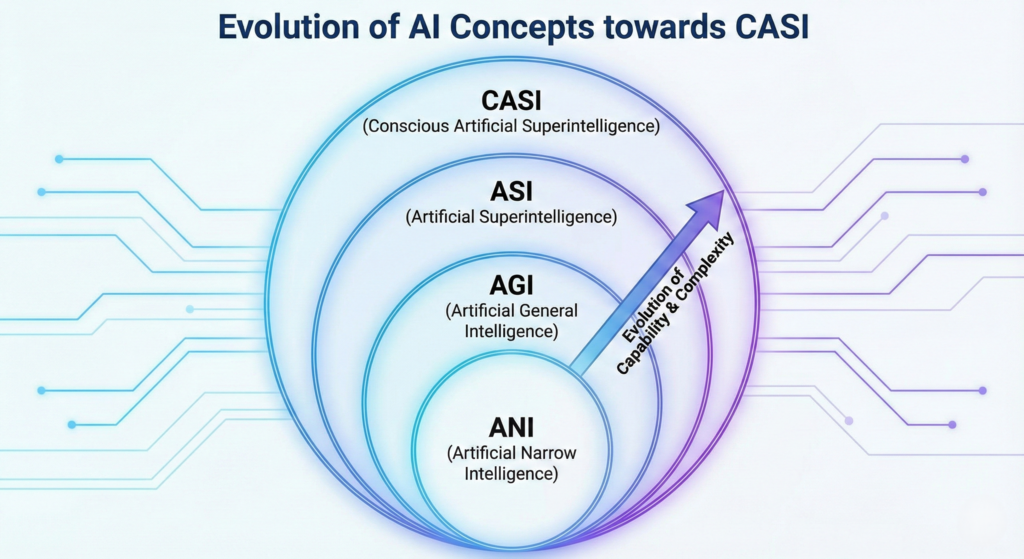
When we talk about AI, it's important to distinguish between two main categories: Narrow AI and General AI.
All the AI we use today is Narrow AI. It's designed to perform a specific task very well, but it can't operate outside of its designated function.
Examples of Narrow AI are all around us. The recommendation engine that suggests what to watch next on a streaming service, the voice assistant on your phone, and the software that helps doctors detect diseases in medical scans are all forms of Narrow AI. They are incredibly good at their one job, but you can't ask your movie recommender for medical advice.
General AI, or Artificial General Intelligence (AGI), is the kind of AI you often see in science fiction. This is a hypothetical type of AI that would possess human-like intelligence, with the ability to understand, learn, and apply its knowledge across a wide range of tasks. An AGI could switch from composing music to solving complex scientific problems just as a person could. We are not there yet, and some experts believe we are still a long way off.
The Big Questions
As AI becomes more integrated into our lives, it raises important ethical and societal questions. These aren't just for scientists and engineers to consider; they affect everyone.
One of the biggest ethical challenges is bias. AI systems learn from data, and if that data reflects existing societal biases, the AI can amplify them.
For example, if an AI is trained on historical hiring data from a company that predominantly hired men, it might learn to unfairly favor male candidates. This can create a vicious cycle where biased data leads to biased algorithms, which in turn produce biased outcomes that reinforce the original problem.
Beyond bias, AI brings up concerns about privacy, job displacement, and the potential for misuse. As AI automates more tasks, what does that mean for the future of work? How do we protect our personal data when AI systems are constantly collecting and analyzing it?
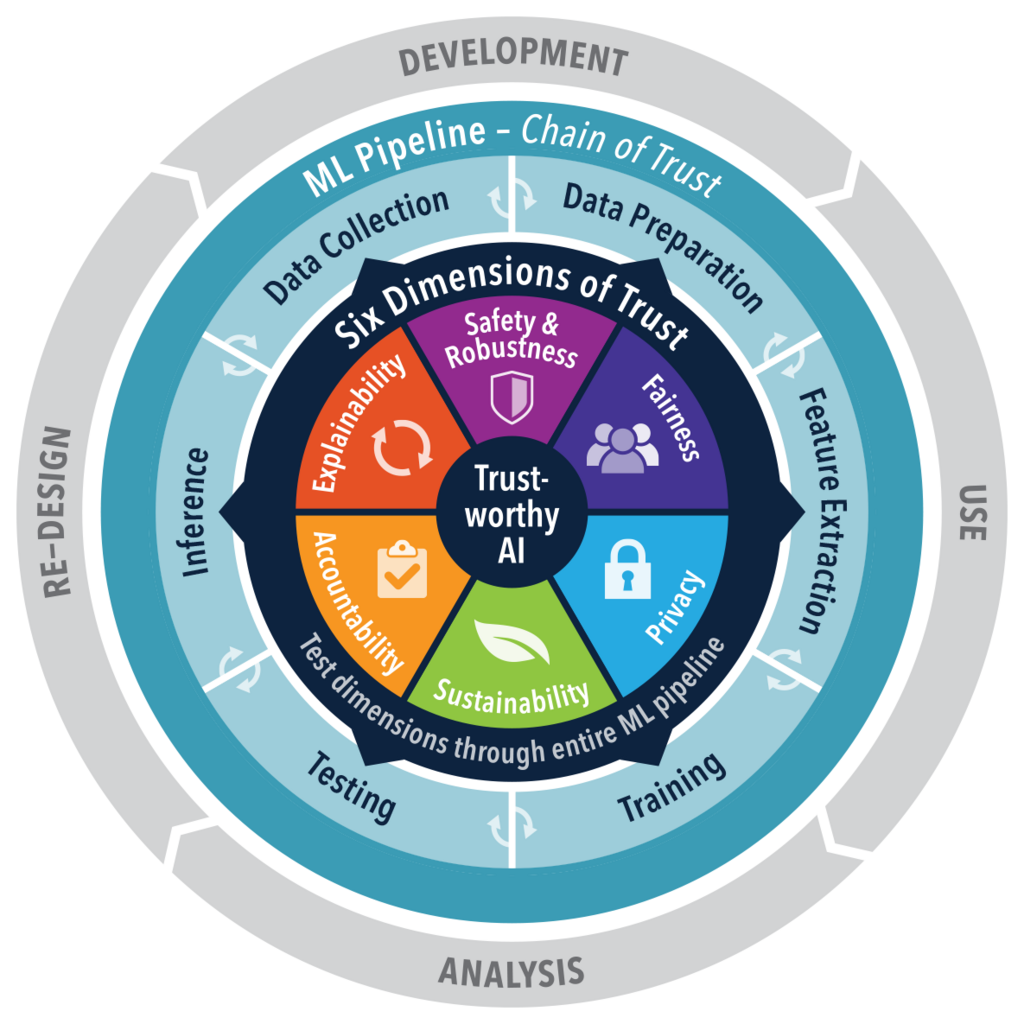
Addressing these challenges requires careful planning and regulation. The goal is to build trustworthy AI systems that are fair, transparent, and accountable. This means designing AI not just to be smart, but to operate safely and align with human values.
Ready to check your understanding?
What is the primary characteristic that distinguishes AI from traditional computer programs?
A streaming service's recommendation engine, which is excellent at suggesting movies but cannot provide medical advice, is an example of what?
Understanding these foundational concepts is the first step in navigating the world of AI. It's a field that's not just about technology, but about how we shape our future with these powerful new tools.