AI Fundamentals Explained
Introduction to Artificial Intelligence
What is AI?
Artificial Intelligence is about creating machines that can think, learn, and act in ways we consider intelligent. It's the science of making computers perform tasks that typically require human intelligence, like understanding language, recognizing patterns, and solving problems.
Think of it this way: AI gives a computer a mind. Instead of just following explicit instructions, an AI system can analyze information, make connections, and decide on the best course of action to achieve a goal.
Artificial Intelligence
noun
A field of computer science dedicated to creating systems that can perform tasks that normally require human intelligence. This includes abilities like learning, reasoning, problem-solving, perception, and language understanding.
The core objective of AI is to build systems that can operate autonomously. These systems should be able to perceive their environment, reason about what they perceive, and make decisions to achieve specific goals. This could be as simple as a spam filter learning to identify junk mail or as complex as a medical AI diagnosing diseases from scans.
A Field of Its Own
The world of AI is filled with related terms like machine learning and data science. It's easy to get them mixed up, but they each have a distinct role. AI is the broad, overarching concept of intelligent machines. Machine learning and data science are specific disciplines that help make AI possible.
Machine Learning (ML) is a subset of AI. It’s a technique that gives computers the ability to learn from data without being explicitly programmed. Instead of writing rules, developers feed a model large amounts of data and let it discover patterns and make predictions on its own. Most of the AI we interact with today is powered by machine learning.
Data Science is a broader field that uses scientific methods, processes, and algorithms to extract knowledge and insights from data. Data scientists use many tools, including machine learning, to analyze data. However, their work also involves data cleaning, interpretation, and visualization. While AI's goal is to build autonomous systems, data science's goal is to produce insights for human decision-making.
In short: AI is the goal, machine learning is one of the key methods to achieve it, and data science is the discipline of finding insights in data, often using ML to do so.
Why AI Matters Now
Artificial intelligence isn't a futuristic fantasy; it's already a fundamental part of modern society. Its significance comes from its ability to process vast amounts of data and automate complex tasks far beyond human capability.
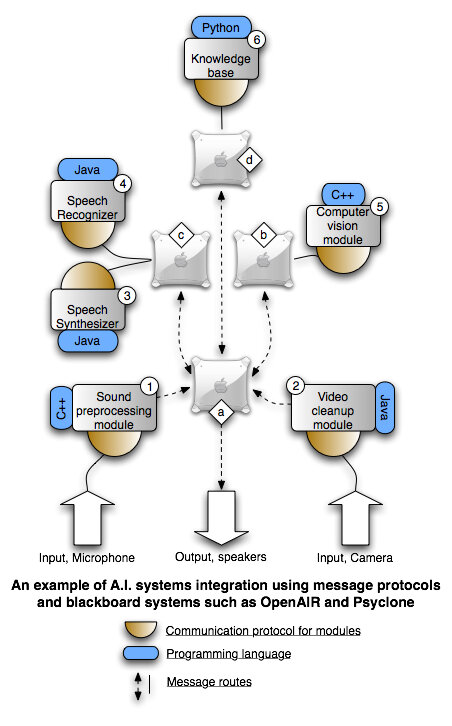
This has profound implications. In healthcare, AI helps doctors detect diseases earlier and develop personalized treatments. In transportation, it powers navigation apps that find the fastest route and is the driving force behind self-driving cars. In business, it automates customer service, optimizes supply chains, and provides insights that guide strategic decisions.
Every time you use a streaming service that recommends a movie, get a fraud alert from your bank, or use a translation app, you are interacting with AI. It's a powerful tool that is making processes more efficient, products more personalized, and services more accessible.
What is the primary goal of Artificial Intelligence?
How does Machine Learning (ML) relate to Artificial Intelligence (AI)?
By understanding these core concepts, you have a solid foundation for exploring the more advanced aspects of this transformative technology.