AI Fundamentals Explained
Introduction to Artificial Intelligence
What Is Artificial Intelligence?
Artificial intelligence is about creating machines that can think, learn, and solve problems like humans do. The goal is to build systems that can perform tasks that typically require human intelligence, such as understanding language, recognizing patterns, and making decisions.
Artificial Intelligence
noun
A field of computer science dedicated to creating systems capable of performing tasks that normally require human intelligence.
Think of it this way: when you teach a dog to fetch, you're using repetition and rewards. In a similar but far more complex way, AI involves training computers to understand information and use that understanding to achieve specific goals. This training allows an AI to handle new situations it hasn't seen before.
This introduction to this special issue discusses artificial intelligence (AI), commonly defined as “a system’s ability to interpret external data correctly, to learn from such data, and to use those learnings to achieve specific goals and tasks through flexible adaptation.”
A Brief History
The dream of creating intelligent machines has been around for centuries, but the modern field of AI officially began in the summer of 1956. A group of scientists gathered at Dartmouth College for a workshop where they coined the term "artificial intelligence" and laid out the basic vision for the field.
The early years were filled with excitement and bold predictions. Researchers developed programs that could solve algebra problems and prove theorems. However, the initial progress was slow. The limited computing power and data at the time led to periods known as "AI winters," when funding dried up and public interest faded.
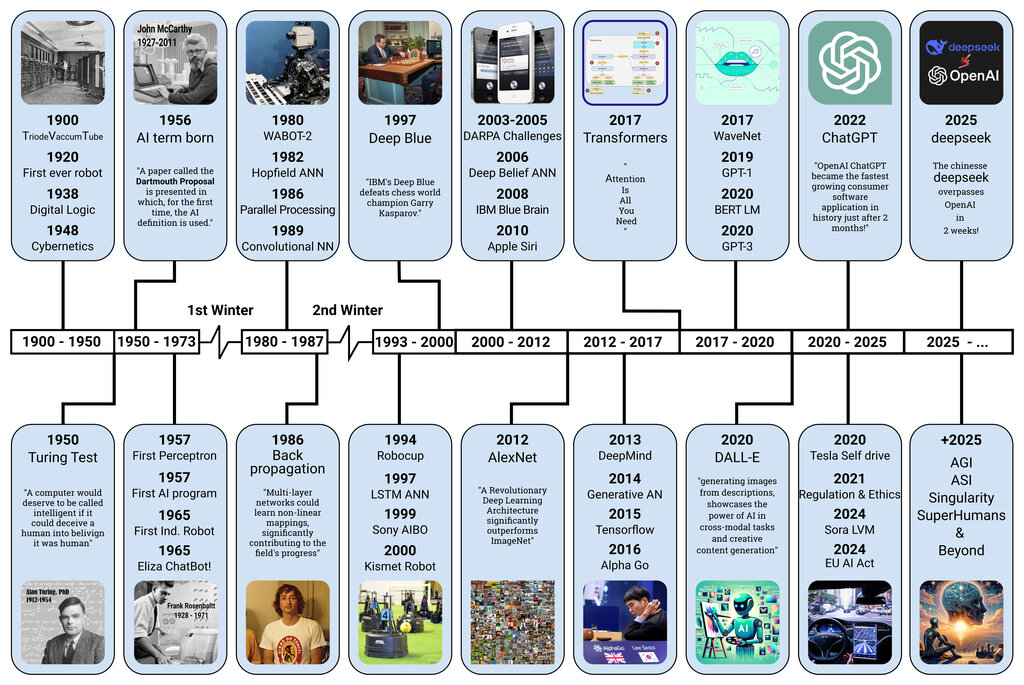
Things started to change in the 2000s. The rise of the internet created massive amounts of data, and significant improvements in computer hardware provided the power needed to process it. These two factors fueled a resurgence in AI, leading to the breakthroughs we see today.
The AI Family
AI isn't just one thing. It's a broad field with many specialized subfields, each focusing on a different aspect of intelligence. You'll often hear terms like Machine Learning and Deep Learning used interchangeably with AI, but they are actually specific subsets of the larger field.
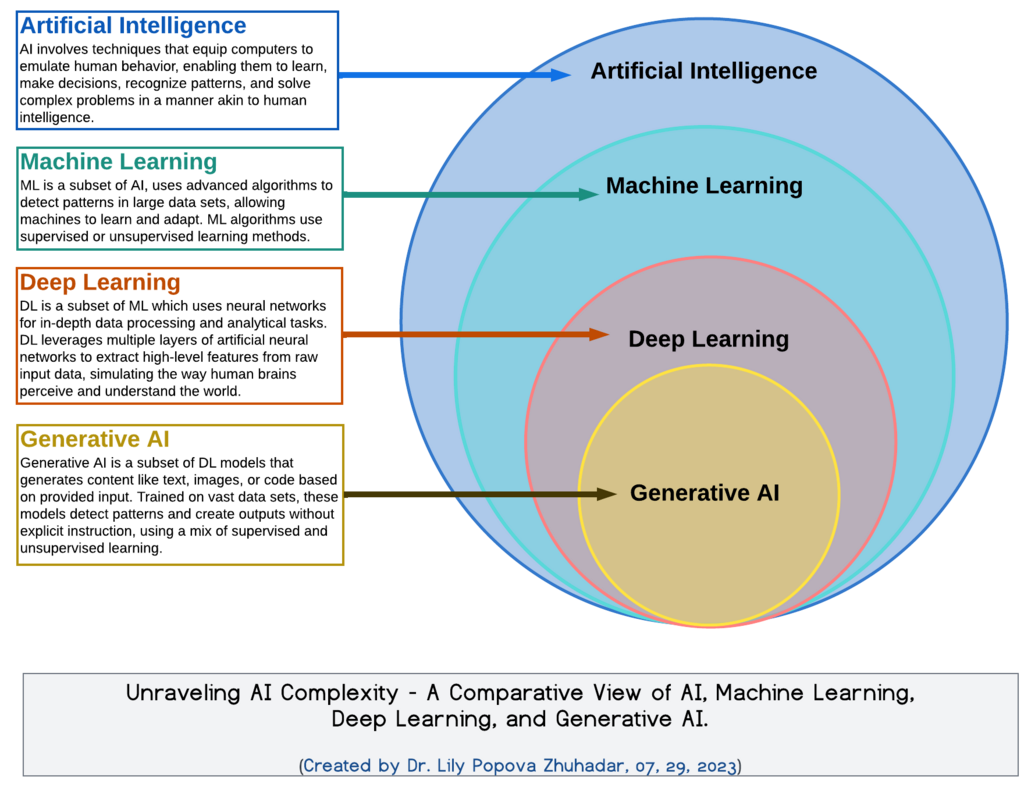
Here are a few of the most important subfields:
| Subfield | What It Does |
|---|---|
| Machine Learning (ML) | Trains computers to learn from data and make predictions without being explicitly programmed. |
| Natural Language Processing (NLP) | Enables computers to understand, interpret, and generate human language. |
| Computer Vision | Allows machines to "see" and interpret visual information from the world, like images and videos. |
| Robotics | Focuses on designing and building robots that can perform tasks in the physical world. |
Each of these areas plays a unique role in building intelligent systems. For example, a self-driving car uses computer vision to see the road, machine learning to predict the behavior of other cars, and robotics to control its own movement.
Two Kinds of AI
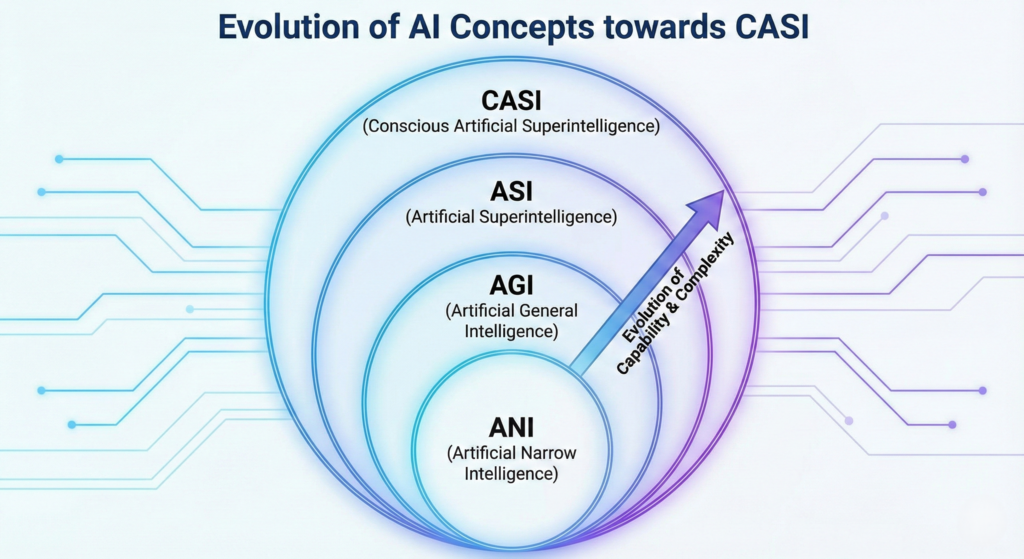
When people talk about AI, they are usually referring to one of two concepts: Narrow AI or General AI.
Artificial Narrow Intelligence (ANI), or Narrow AI, is designed to perform a single specific task. All the AI we use today falls into this category. Your phone's voice assistant, a spam filter for your email, and the recommendation engine on a streaming service are all examples of Narrow AI. They are incredibly good at their one job, but they can't operate outside of it.
Artificial General Intelligence (AGI), on the other hand, is the type of AI you often see in science fiction. This is a hypothetical form of AI that would possess human-like intelligence, with the ability to understand, learn, and apply its knowledge to solve any problem. AGI doesn't exist yet, and creating it remains one of the most challenging goals in computer science.
AI in the Real World
Artificial intelligence is no longer just a theoretical concept. It's woven into the fabric of our daily lives and is transforming entire industries. From personalized shopping recommendations to medical diagnostics, AI is helping us work smarter and solve complex problems.
In healthcare, AI algorithms analyze medical images to detect diseases like cancer earlier and more accurately than ever before. In finance, AI helps detect fraudulent transactions in real time, protecting consumers and financial institutions. Farmers use AI-powered drones to monitor crop health, optimizing irrigation and improving yields.
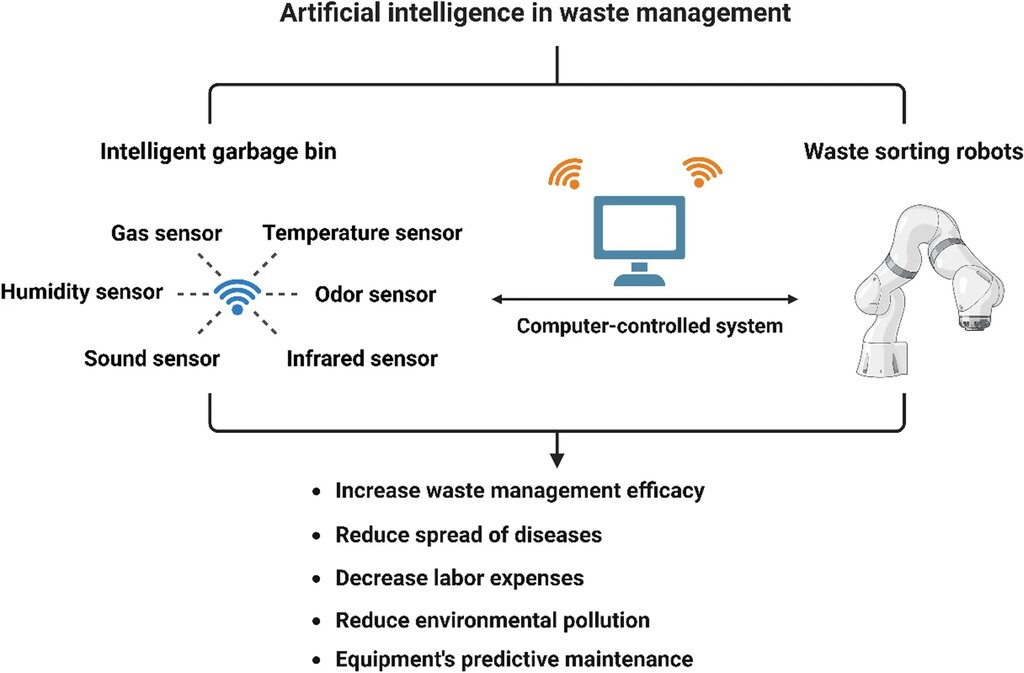
These applications are just the beginning. As AI technology continues to evolve, its impact on society will only grow, opening up new possibilities and presenting new challenges.
Let's test your understanding of these foundational AI concepts.
What is the primary goal of artificial intelligence?
The term "artificial intelligence" was officially coined during a workshop at which institution?
You now have a solid foundation in what AI is, where it came from, and how it's categorized. This overview sets the stage for exploring the more specific ways AI works.