AI Fundamentals Explained
Introduction to Artificial Intelligence
What Is Artificial Intelligence?
Artificial intelligence is the science of making machines that can think like humans. The goal is to create systems that can perform tasks that normally require human intelligence, like learning, reasoning, problem-solving, and understanding language.
Think of it this way: a calculator can do math faster than any person, but it can't learn to do a new kind of math. An AI can.
This field is broad, covering everything from simple programs that play chess to complex systems that can pilot a self-driving car. At its core, AI is about creating intelligence, not just programming a machine to follow a rigid set of instructions.
A Brief History of AI
The idea of intelligent machines has been around for centuries, but the modern field of AI began in the 1950s. A small group of researchers at Dartmouth College organized a workshop to explore the idea that every aspect of learning or intelligence could be so precisely described that a machine could be made to simulate it. This event coined the term "artificial intelligence" and kicked off decades of research.
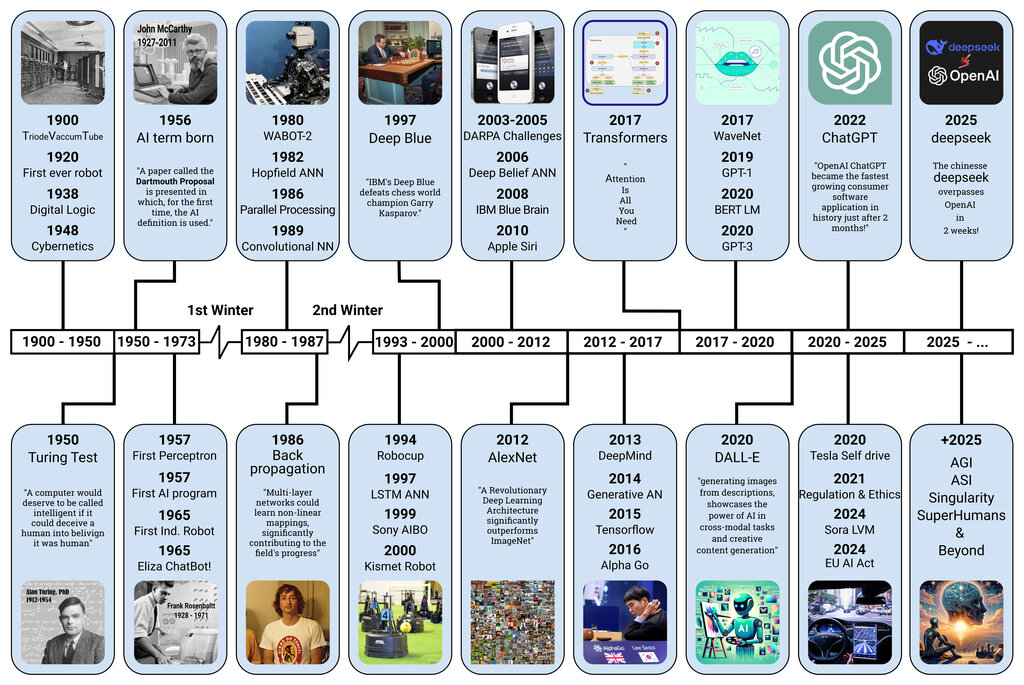
Progress wasn't always a straight line. The field experienced periods of huge optimism followed by "AI winters," when funding dried up because progress was slower than promised. But breakthroughs in computing power and the availability of massive amounts of data in the 21st century sparked a renaissance. The development of new learning techniques led to the powerful AI we see today.
The Flavors of AI
AI isn't just one thing. It’s a collection of specialized subfields, each focused on a different aspect of intelligence. Some of the most important ones include:
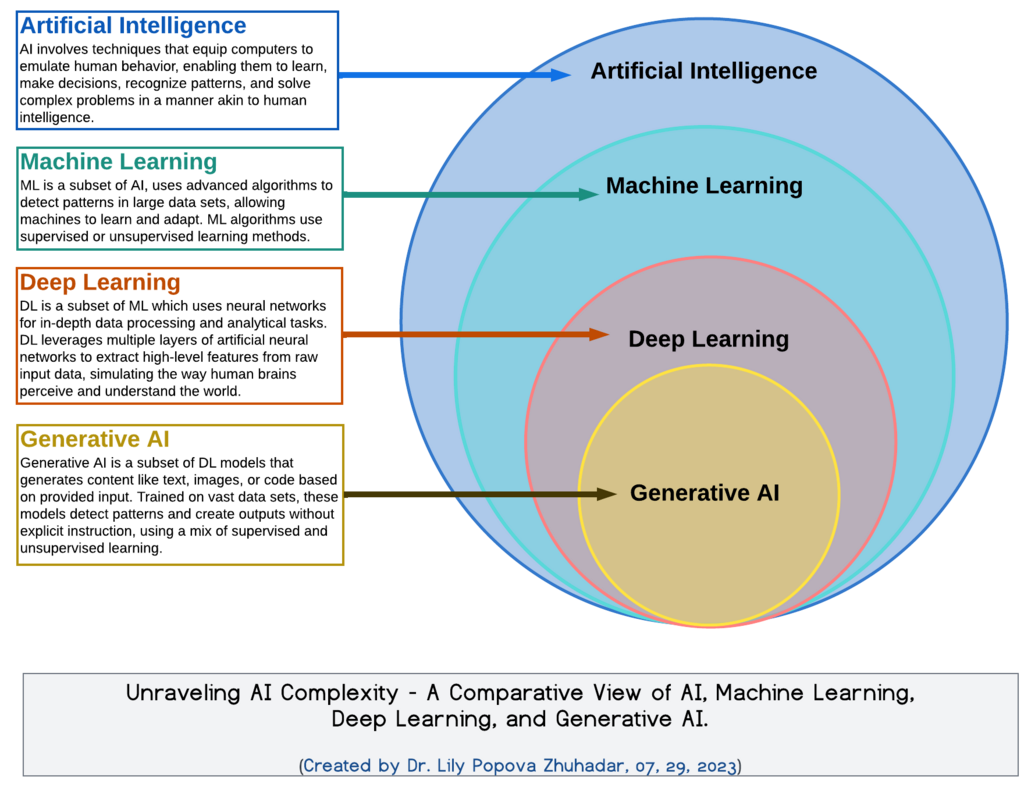
Machine Learning (ML) is the most common type of AI today. Instead of being explicitly programmed, an ML system learns patterns from large amounts of data. It’s the engine behind recommendation systems on streaming services and spam filters in your email.
Natural Language Processing (NLP) focuses on the interaction between computers and human language. NLP allows machines to read, understand, and generate human language. Digital assistants like Siri and Alexa, as well as translation services, are powered by NLP.
Computer Vision gives machines the ability to interpret and understand visual information from the world. It’s how facial recognition unlocks your phone and how self-driving cars “see” the road, pedestrians, and other vehicles.
Robotics is where AI meets the physical world. This field involves designing and building robots that can perform tasks autonomously. These can range from robots that assemble cars in a factory to robotic vacuums that clean your floors.
These subfields often overlap. A self-driving car, for example, uses computer vision to see, machine learning to make decisions, and robotics to control the car’s movements. Together, they create a complete, intelligent system.
What is the primary goal of Artificial Intelligence?
Which subfield of AI is most directly responsible for a system like Siri or Alexa understanding and responding to your voice commands?