AI Fundamentals Explained
Introduction to Artificial Intelligence
What Is Artificial Intelligence?
Artificial intelligence is about making machines smart. The goal is to create computer systems that can perform tasks that usually require human intelligence. This includes things like learning from experience, solving problems, understanding language, and recognizing objects in images.
Artificial Intelligence
noun
The theory and development of computer systems able to perform tasks that normally require human intelligence, such as visual perception, speech recognition, decision-making, and translation between languages.
At its heart, AI is a broad field of computer science. It isn't just one single technology. Instead, it's a collection of different methods and tools that allow machines to mimic cognitive functions. Think of it less as a single robot and more as the 'brain' that could power countless different applications.
The Journey of AI
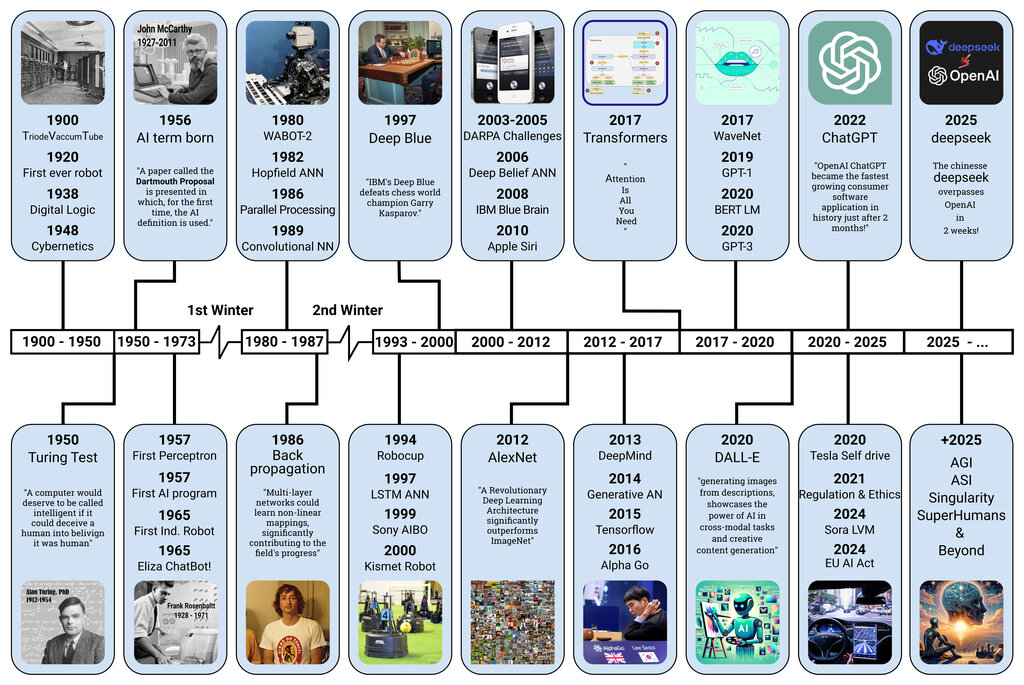
The dream of creating intelligent machines has been around for centuries, but the scientific pursuit began in the 1950s. A pivotal moment was a workshop at Dartmouth College in 1956. It was here that a group of pioneering researchers officially coined the term “artificial intelligence” and kicked off the field as a formal area of study.
This 1956 conference wasn't just a meeting; it was the starting gun for decades of research into creating machines that could reason and learn.
The path forward wasn't always smooth. The field experienced periods of great excitement and funding, known as “AI summers,” followed by “AI winters” where progress stalled and interest waned. However, breakthroughs in computing power and the availability of massive amounts of data eventually fueled a major resurgence. Today, we are in an unprecedented era of AI advancement.
Narrow vs. General AI
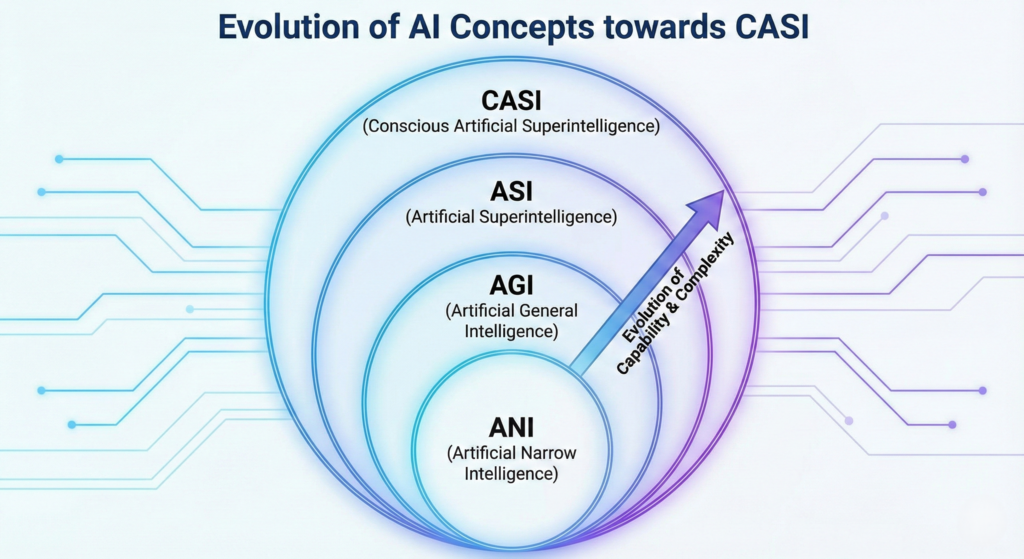
When people talk about AI, they are often referring to two very different concepts: Artificial Narrow Intelligence (ANI) and Artificial General Intelligence (AGI).
Artificial Narrow Intelligence (ANI), also known as Weak AI, is what we have today. This type of AI is designed to perform a single, specific task. It can be incredibly good at what it does, often surpassing human ability. Examples include voice assistants, image recognition software, and recommendation engines on streaming services. They operate within a limited, pre-defined range.
A chess-playing AI can beat any grandmaster, but it can't play checkers, drive a car, or even tell you if it's raining outside. Its intelligence is narrow.
Artificial General Intelligence (AGI), or Strong AI, is the kind of AI you see in science fiction. This is a machine with the ability to understand, learn, and apply its intelligence to solve any problem, much like a human being. It would possess consciousness and the cognitive abilities to think abstractly and creatively.
It's important to remember that AGI is still a theoretical concept. All the AI systems in use today are forms of narrow AI. The distinction is crucial for understanding both the current capabilities and the future possibilities of artificial intelligence.
Now, let's test your understanding of these foundational AI concepts.
What is the primary goal of Artificial Intelligence?
The kind of AI you might see in a science fiction movie that can think, reason, and learn any intellectual task a human can is known as:
Understanding these basics sets the stage for exploring the incredible ways AI is shaping our world.