AI Fundamentals Explained
Introduction to Artificial Intelligence
What Is Artificial Intelligence?
At its core, artificial intelligence is the science of making machines that can think, reason, and learn like humans. It's a broad field in computer science focused on building systems that can perform tasks that normally require human intelligence. This includes things like solving complex problems, understanding spoken language, recognizing faces in a crowd, or even making strategic decisions.
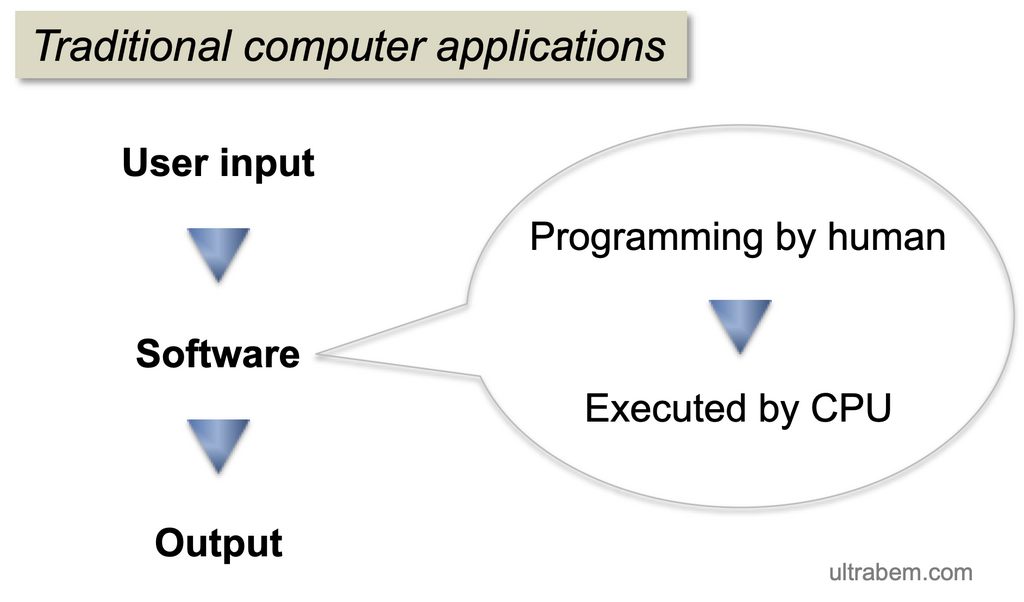
Think about how you learn a new skill, like riding a bike. You don't follow a rigid set of pre-programmed rules. You try, you fall, you adjust, and you get better over time by learning from experience. AI aims to give machines a similar ability. Instead of a programmer writing code for every possible situation, they create algorithms that allow the machine to learn from data.
This is the key difference between AI and standard software. A simple calculator follows its programming perfectly—it will always give you the right answer for 2+2. But it can't learn to do anything else. An AI system, on the other hand, can be trained on vast amounts of information to recognize patterns, make predictions, and improve its performance on its own.
Artificial Intelligence
noun
The theory and development of computer systems able to perform tasks that normally require human intelligence, such as visual perception, speech recognition, decision-making, and translation between languages.
The Goals of AI
The ambition of AI isn't just to mimic human intelligence, but to create systems that can solve real-world problems. The objectives can be broken down into a few key areas that mirror human cognitive abilities.
The main goals are to build systems that can reason, learn, perceive the world, and understand language.
Let's look at what each of these means:
-
Reasoning and Problem-Solving: This is about creating systems that can use logic to make deductions and find solutions. It could be something as simple as finding the fastest route to a destination or as complex as diagnosing a medical condition based on symptoms and test results.
-
Learning: A huge part of intelligence is the ability to adapt. AI systems are designed to learn from data, identify patterns, and adjust their behavior without being explicitly reprogrammed. This is how an AI can get better at playing a game or more accurate in its weather forecasts.
-
Perception: Humans use their senses—sight, hearing, touch—to understand the world. The goal of perception in AI is to give machines a similar ability. This involves processing data from sensors, cameras, and microphones to interpret their surroundings, a field known as computer vision and audio processing.
-
Language Understanding: This objective, often called Natural Language Processing (NLP), focuses on enabling computers to understand, interpret, and generate human language. It's what allows you to talk to a virtual assistant or get a summary of a long article.
Why AI Matters
Artificial intelligence is more than just a fascinating academic subject; it's a powerful force reshaping our world. Its significance comes from its ability to process and make sense of massive amounts of data far beyond human capacity. This opens up new possibilities in virtually every industry.
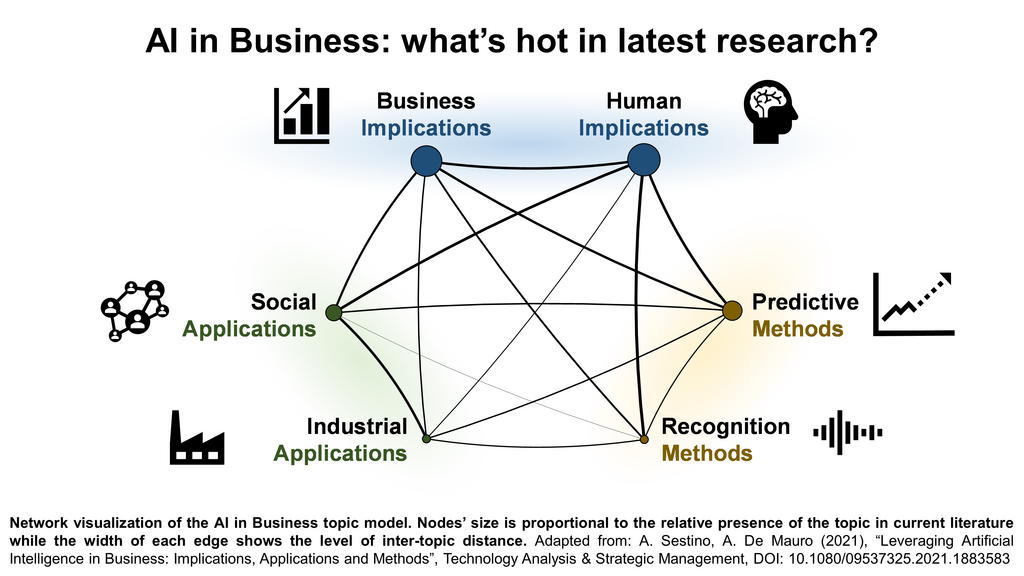
In fields like medicine, AI can analyze medical images to detect diseases earlier and more accurately than the human eye. In transportation, it's the engine behind self-driving cars, which have the potential to make our roads safer. In science, AI can sift through immense datasets to uncover new patterns, accelerating research and discovery in areas from climate change to astronomy.
By automating complex tasks and providing powerful insights from data, AI helps us solve challenging problems and pushes the boundaries of what's possible. It's a tool that augments human capabilities, allowing us to work more efficiently and make better-informed decisions.
What is the primary goal of artificial intelligence?
A key distinction of AI compared to a standard computer program (like a calculator) is its ability to...