AI Fundamentals and Development Pathways
Introduction to Artificial Intelligence
What Is Artificial Intelligence?
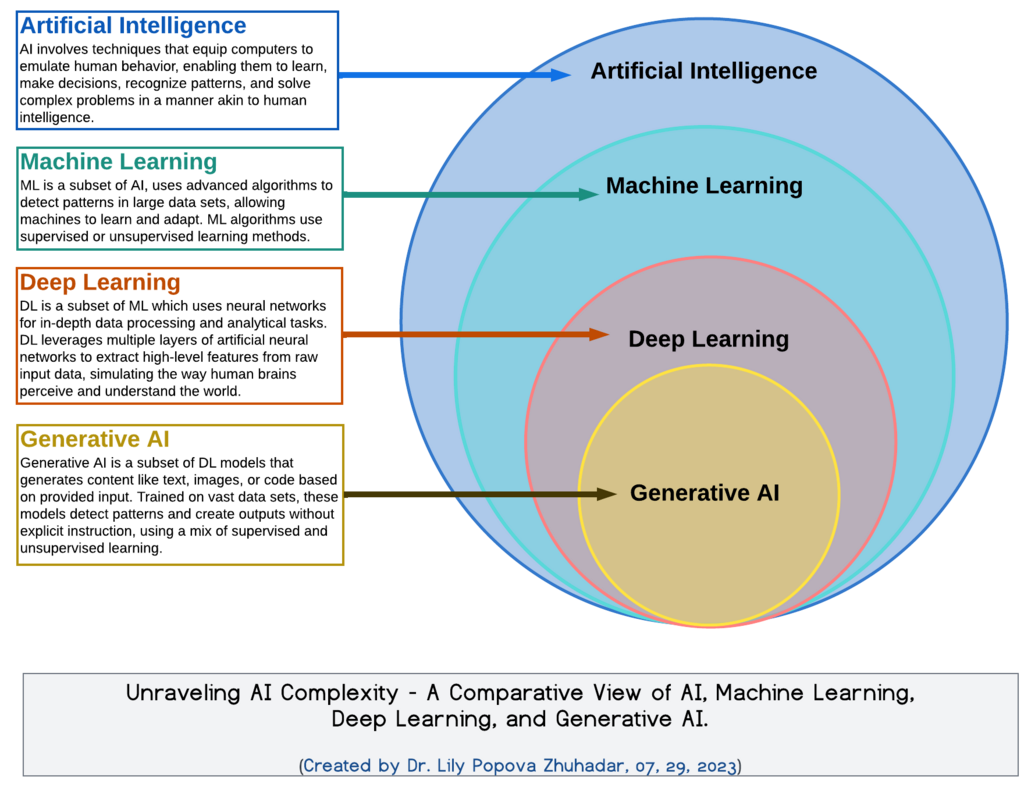
Artificial intelligence, or AI, is the science of making machines that can think, learn, and solve problems like humans. It's not about creating conscious robots from science fiction. Instead, it’s about building systems that can perform tasks that normally require human intelligence. This can be as simple as recognizing a cat in a photo or as complex as driving a car.
Artificial Intelligence
noun
A field of computer science dedicated to creating systems capable of performing tasks that typically require human intelligence, such as learning, reasoning, and problem-solving.
Think of AI as a broad category that contains many different methods and technologies. At its core, AI is about pattern recognition. Systems are trained on vast amounts of data—images, text, numbers—and learn to identify patterns within that data. They can then use these patterns to make predictions or decisions about new, unseen data.
A Brief History of AI
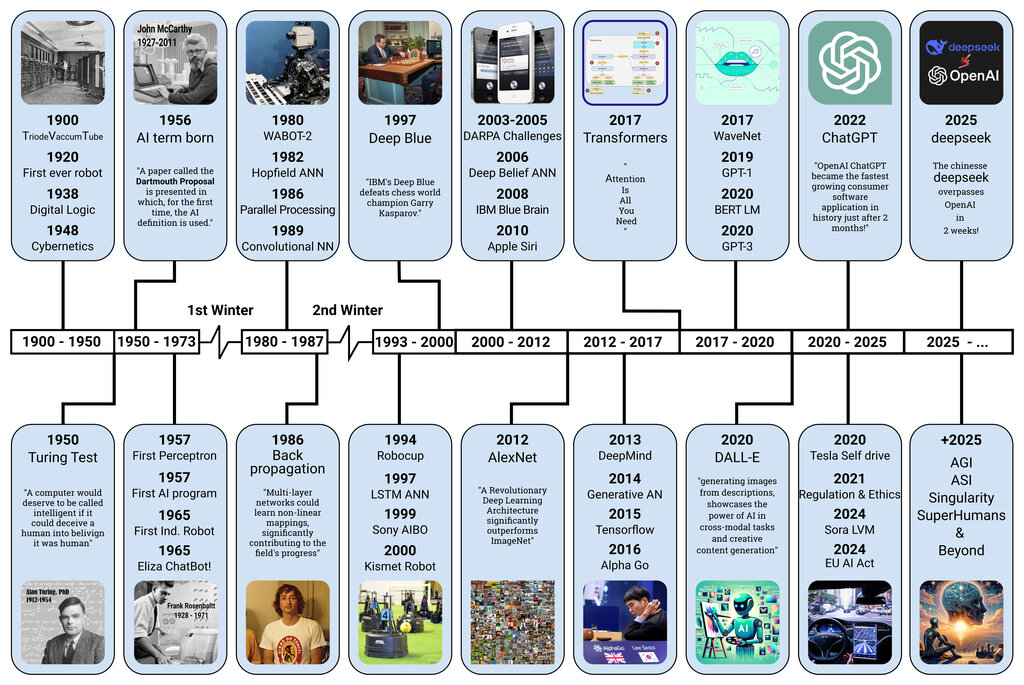
The idea of intelligent machines has been around for centuries, but the modern field of AI was officially born in the summer of 1956. A group of researchers gathered at Dartmouth College for a workshop to explore the idea that "every aspect of learning or any other feature of intelligence can in principle be so precisely described that a machine can be made to simulate it."
The journey since then has been a series of booms and busts. Early excitement in the 1960s and 70s led to significant government funding, but progress was slower than expected. This led to periods known as "AI winters," when interest and funding dried up.
The history of AI is marked by waves of optimism and progress, followed by periods of disillusionment and reduced funding, known as "AI winters."
Things changed dramatically in the 2010s. Two key factors came together: the availability of massive datasets (thanks to the internet) and huge increases in computing power. This combination fueled the rise of machine learning and deep learning, leading to breakthroughs that were once thought to be decades away. We're now in an era of rapid advancement, with AI becoming a part of our daily lives.
AI in Action Today
AI is no longer just a laboratory experiment; it's a practical tool used in countless industries. You likely interact with AI every day without even realizing it. From the spam filter in your email to the recommendation engine that suggests your next movie, AI is working behind the scenes.
| Industry | Application | Example |
|---|---|---|
| Healthcare | Medical Imaging Analysis | Identifying tumors in X-rays and MRIs more accurately. |
| Finance | Fraud Detection | Flagging unusual credit card transactions in real-time. |
| Transportation | Autonomous Vehicles | Powering the navigation systems in self-driving cars. |
| Entertainment | Content Recommendation | Suggesting shows on streaming services based on viewing history. |
| Customer Service | Chatbots & Virtual Assistants | Answering common customer questions on websites. |
These applications are just the beginning. AI is also being used to tackle some of the world's biggest challenges, like optimizing energy grids to combat climate change and accelerating the discovery of new medicines.
The Impact on Society
The rapid integration of AI into our lives brings both incredible opportunities and significant challenges. On one hand, AI has the potential to boost productivity, create new forms of art, and solve complex scientific problems. It can make our lives more convenient and our work more efficient.
On the other hand, it raises important questions about the future of work. As AI automates more tasks, some jobs may be displaced, requiring a shift in skills and education. There are also critical ethical concerns. We need to ensure that AI systems are fair and don't perpetuate human biases, that they respect privacy, and that they are secure from malicious use.

Navigating this new landscape requires careful thought and planning from everyone—policymakers, developers, and the public. Building a future where AI benefits all of humanity is a collective responsibility.
Ready to test your knowledge? Let's see what you've learned about the fundamentals of AI.
According to the text, what is the fundamental concept at the core of most modern AI systems?
The modern field of AI is considered to have been officially born at a workshop held at which institution in 1956?
Understanding the basics of what AI is, where it came from, and how it's affecting our world is the first step in navigating its future.