AI Fundamentals
Introduction to Artificial Intelligence
What Is AI?
Artificial intelligence is about creating machines that can think or act like humans. The goal isn't just to make a calculator that's fast, but to build systems that can reason, learn, and solve problems on their own. Think of it as teaching a computer not just what to do, but how to figure out what to do.
artificial intelligence
noun
A field of computer science dedicated to creating systems capable of performing tasks that normally require human intelligence.
This involves several key objectives. An intelligent system should be able to perceive its environment, reason about what it perceives, represent knowledge, plan actions, and learn from experience. Ultimately, the aim is to create tools that can extend human capabilities in powerful new ways.
Two Kinds of AI
When people talk about AI, they are usually referring to one of two distinct categories: narrow AI or general AI. The difference between them is vast, and it’s important to know which one we're dealing with.
Almost all the AI you interact with today is Narrow AI.
Artificial Narrow Intelligence (ANI), often called "weak AI," is designed to perform a single, specific task. A spam filter in your email, a program that plays chess, or the software that recognizes your face to unlock your phone are all examples of narrow AI. They can be incredibly good at what they do, sometimes even better than humans, but they operate within a very limited context. A chess program can’t suggest a recipe for dinner, and a spam filter can’t drive a car.
Artificial General Intelligence (AGI), or "strong AI," is the kind of intelligence you often see in science fiction. This is a hypothetical type of AI that possesses the ability to understand, learn, and apply its intelligence to solve any problem, much like a human being. AGI doesn't exist yet. Creating it is one of the most ambitious and challenging goals in computer science.
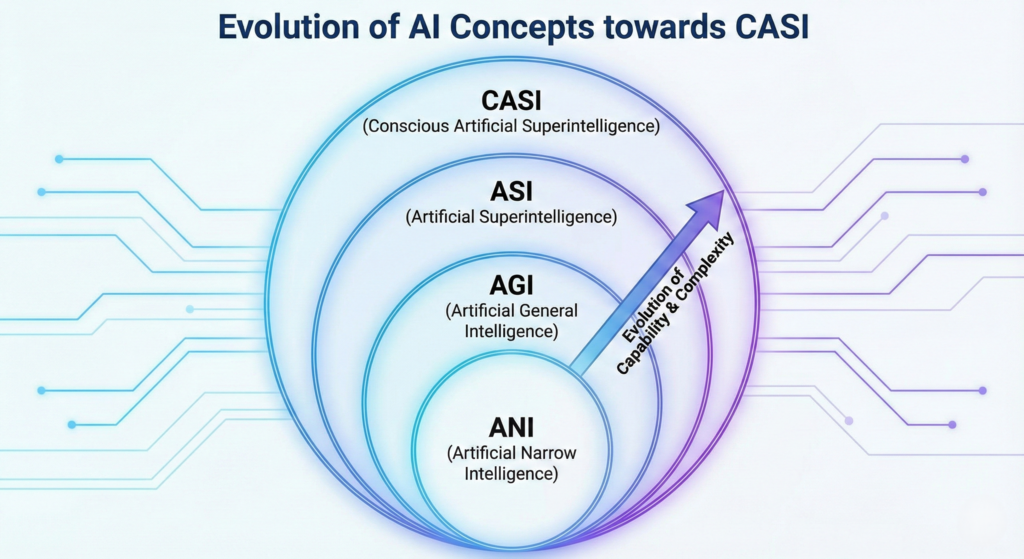
| Feature | Narrow AI (ANI) | General AI (AGI) |
|---|---|---|
| Scope | Performs a specific task | Can perform any intellectual task |
| Example | Email spam filter | A human-like robot assistant |
| Status | Widely used today | Hypothetical / In research |
More Than Just Code
Creating AI isn't just a programming challenge; it's a deeply interdisciplinary effort. To build machines that can think, we first need to understand what thinking even is. This quest brings together experts from many different fields.
Here’s a quick look at some key contributors:
- Computer Science provides the tools and theories for computation, algorithms, and data structures.
- Neuroscience helps us understand how biological brains work, offering a blueprint for creating artificial ones.
- Philosophy tackles fundamental questions about the nature of intelligence, consciousness, and ethics.
- Psychology informs AI design by studying how humans think, learn, and make decisions.
- Linguistics is crucial for building systems that can understand and generate human language.
The Flavors of AI
AI is not a single thing but a broad field with many specialized subfields. Think of it like medicine, which has cardiologists, dermatologists, and surgeons. Each subfield of AI focuses on a different aspect of intelligence.
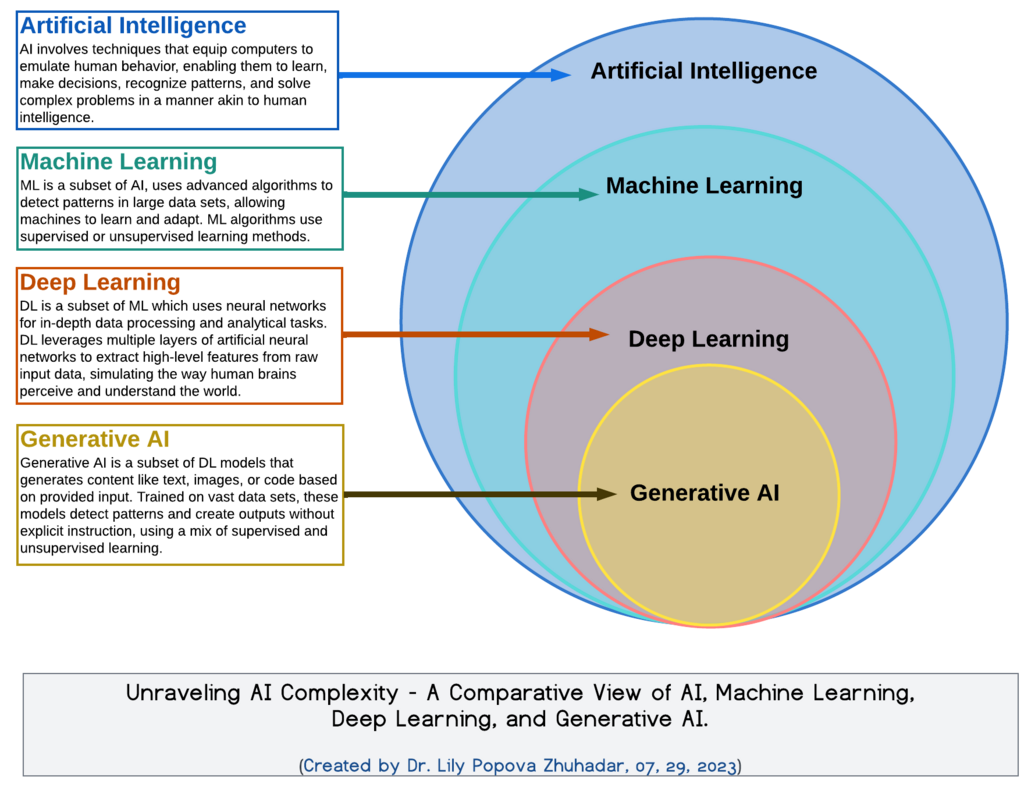
Here are a few of the most important branches:
Machine Learning (ML) is a core part of modern AI. Instead of programming a computer with explicit rules, machine learning allows it to learn patterns and make predictions directly from data. It's the engine behind recommendation systems, fraud detection, and much more.
Natural Language Processing (NLP) focuses on the interaction between computers and human language. NLP makes it possible for computers to read text, hear speech, interpret it, and respond in a way that feels natural. Virtual assistants and translation apps rely heavily on NLP.
Computer Vision gives machines the ability to "see." This field works on enabling computers to interpret and understand visual information from the world, like images and videos. Facial recognition and self-driving cars are powered by computer vision.
Robotics combines AI with mechanical engineering to create physical agents that can move and act in the world. This involves everything from designing the robot's body to programming its brain to navigate and manipulate objects.
These subfields often overlap and work together to create more complex and capable AI systems. Understanding these foundational concepts is the first step toward grasping the power and potential of artificial intelligence.
What is the primary goal of artificial intelligence?
A smartphone app that identifies a song playing in a coffee shop is a clear example of Artificial General Intelligence (AGI).