AI Fundamentals
Introduction to AI
What Is Artificial Intelligence?
Artificial Intelligence, or AI, is a field of computer science dedicated to creating systems that can perform tasks that normally require human intelligence. This includes abilities like learning from experience, solving problems, understanding language, and recognizing patterns in the world around us.
At its core, AI is about building smart machines. Instead of programming a computer with a rigid set of instructions for every possible scenario, AI allows the machine to figure things out on its own. It's the difference between giving someone a detailed map with every single turn listed and giving them a destination and letting them use their knowledge of roads to find the best route.
The goal is not just to make machines do things, but to enable them to understand, reason, and adapt.
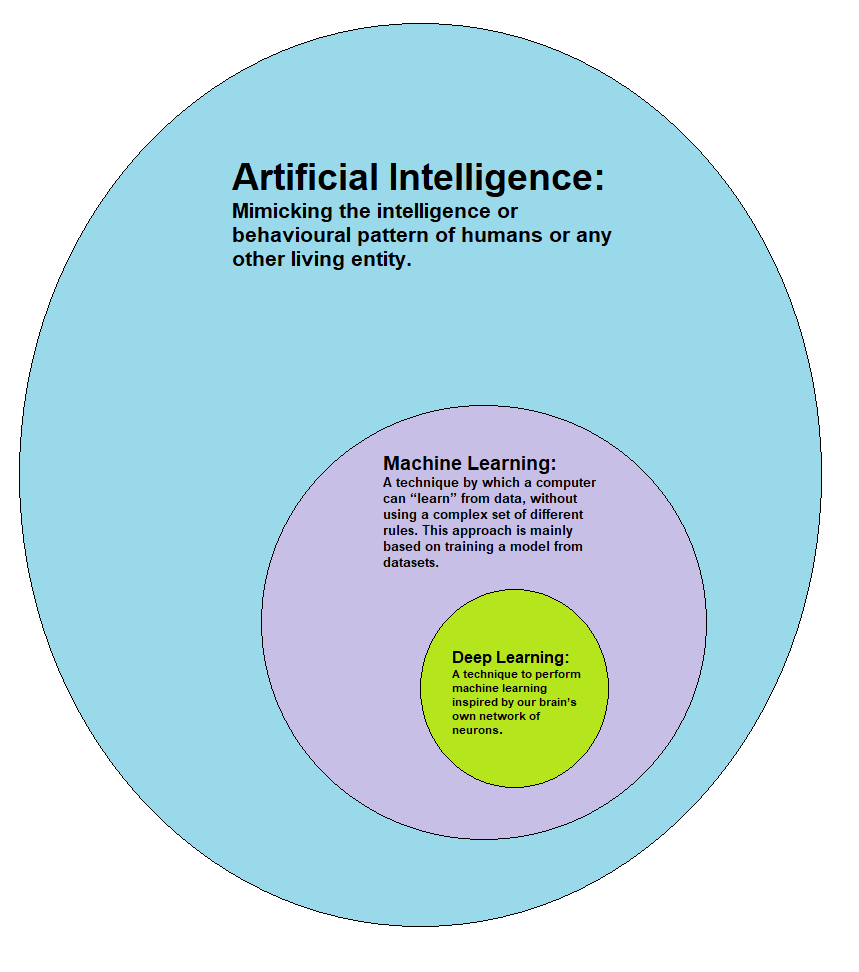
AI is a broad field with many sub-disciplines. You might have heard terms like Machine Learning and Deep Learning. These are specific approaches within the larger world of AI. Machine Learning involves training computers on large amounts of data to make predictions or decisions, while Deep Learning is a more advanced type of machine learning that uses complex structures called neural networks, loosely inspired by the human brain.
A Brief History of AI
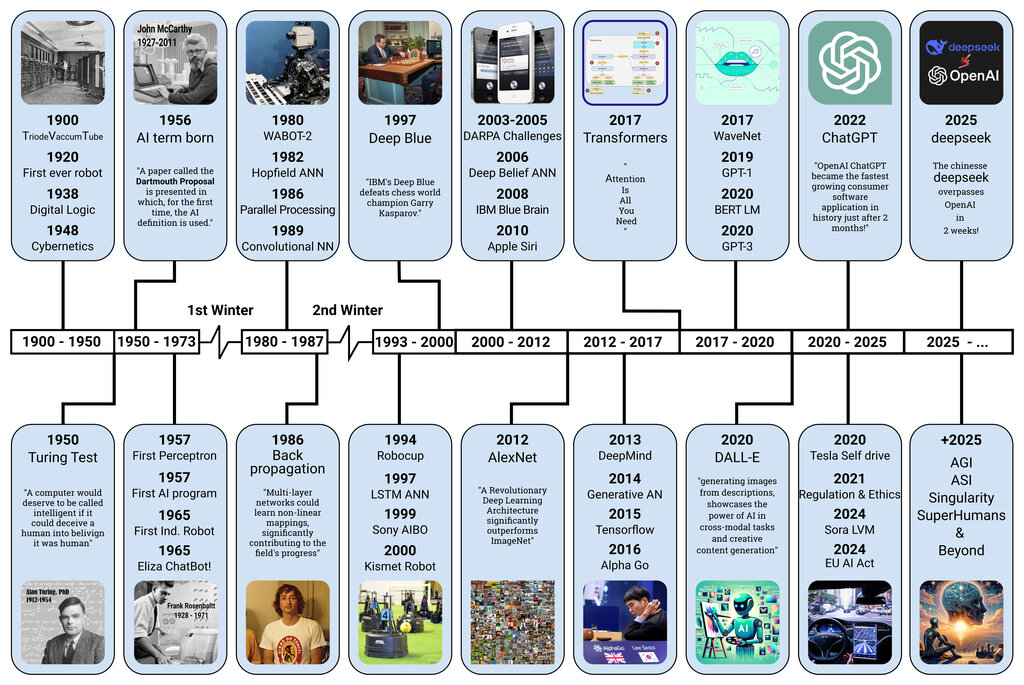
The idea of intelligent machines has been around for centuries, but the formal field of AI research began in the mid-20th century. A pivotal moment was in 1950 when computer scientist Alan Turing proposed the "Turing Test," a way to measure a machine's ability to exhibit intelligent behavior indistinguishable from that of a human.
The term "Artificial Intelligence" itself was coined in 1956 at the Dartmouth Workshop, a summer conference that brought together the founding fathers of the field. This event sparked decades of research, leading to early successes in problem-solving and game-playing programs.
However, the path wasn't always smooth. The field experienced several "AI winters"—periods in the 1970s and 80s when funding dried up and progress stalled because the technology couldn't live up to the initial hype.
Things began to change in the 1990s and 2000s. The combination of more powerful computers and the availability of massive amounts of data—often called "big data"—fueled a resurgence. In 1997, IBM's Deep Blue computer defeated world chess champion Garry Kasparov, a major milestone that showed the world what AI was capable of. This renaissance has continued to accelerate, leading to the powerful AI tools we see today.
Why AI Matters Now
So, why is everyone talking about AI? Its significance lies in its potential to revolutionize nearly every aspect of modern life and technology. AI is a tool for augmenting human capabilities, helping us tackle complex problems that were previously out of reach.
It can analyze vast datasets far more quickly and accurately than a person ever could, uncovering hidden patterns and insights. This ability is transforming industries from medicine, where AI helps diagnose diseases, to finance, where it detects fraudulent transactions.
Artificial intelligence (AI) is a wide-ranging tool that enables people to rethink how we integrate information, analyze data, and use the resulting insights to improve decision making—and already it is transforming every walk of life.
Beyond its power as an analytical tool, AI is also becoming a creative partner and a new interface for how we interact with technology. It's not just about crunching numbers; it's about creating new possibilities.
Understanding the basics of what AI is, where it came from, and why it's so important provides a crucial foundation. It helps you cut through the noise and appreciate the real-world impact of this transformative technology.
What is the primary goal of Artificial Intelligence?
The term "Artificial Intelligence" was coined at which pivotal event?