AI for Yacht Co-Ownership Marketplaces
Understanding AI Basics
What Is AI, Really?
Artificial Intelligence is about making computers smart. The goal is to enable them to perform tasks that typically require human intelligence, like learning, reasoning, and problem-solving. It's not about creating sentient robots from sci-fi movies; it's about building tools that can recognize patterns, make predictions, and understand language.
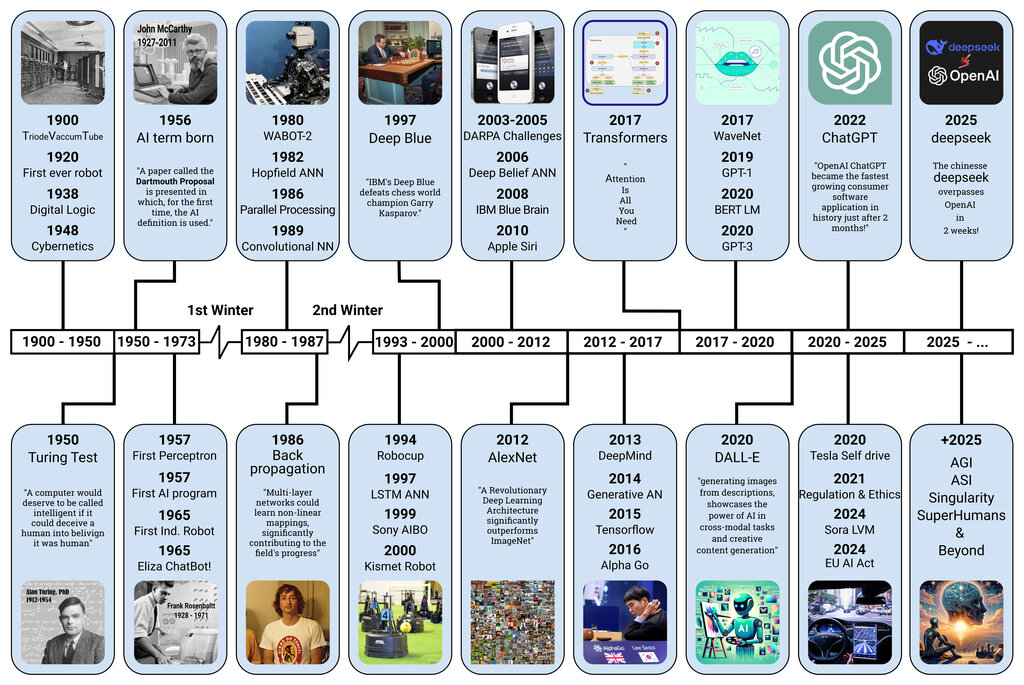
The dream of AI has been around for decades. Early computer scientists in the 1950s believed they were on the cusp of creating thinking machines. But they lacked the two key ingredients that are abundant today: massive amounts of data and powerful computers to process it. This combination has turned AI from a theoretical concept into a practical technology that's reshaping industries.
The Building Blocks of AI
AI isn't a single thing; it's an umbrella term for several related fields. To understand how AI works, you need to know its core components. These are the engines that power intelligent systems.
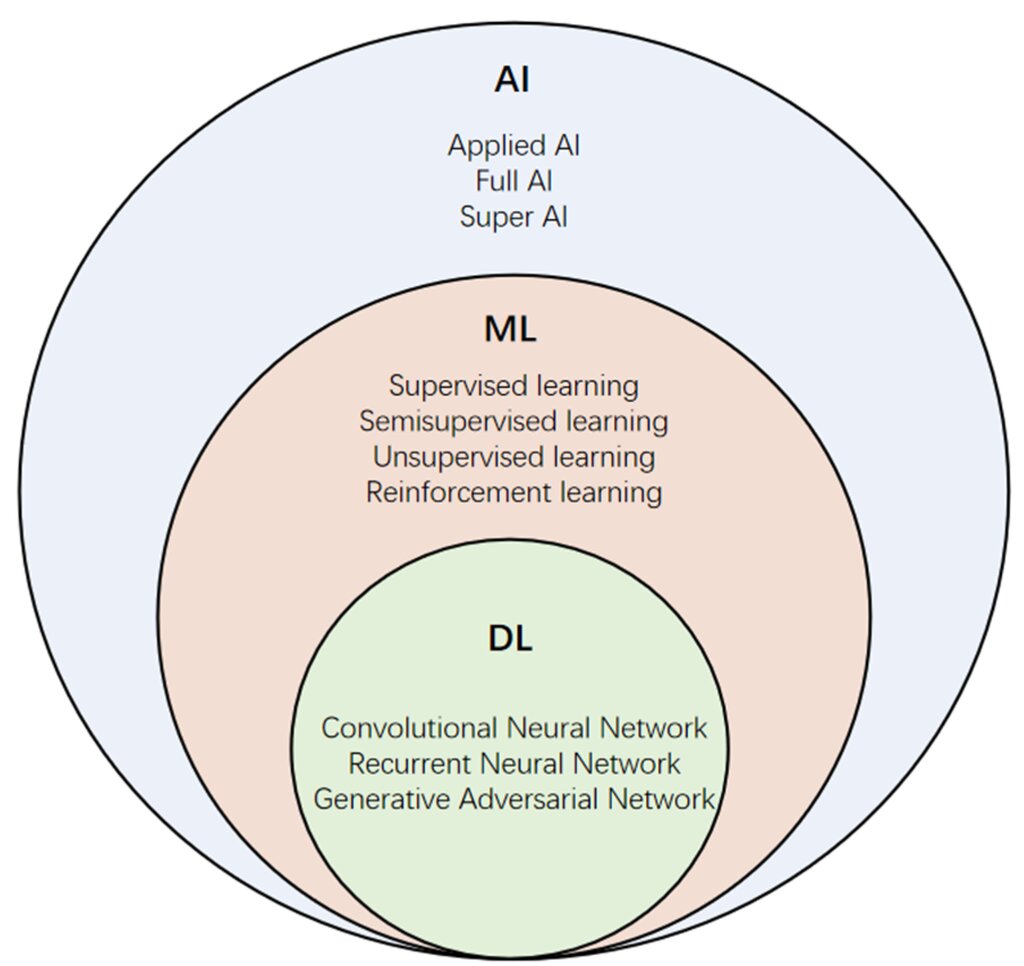
The three most important components for most modern applications are machine learning, natural language processing, and computer vision.
Machine Learning
noun
A type of AI that gives computers the ability to learn from data without being explicitly programmed. Instead of writing rules, developers feed an algorithm vast amounts of data, and the algorithm learns to identify patterns and make predictions on its own.
Natural Language Processing (NLP) gives machines the ability to read, understand, and generate human language. It's the technology behind chatbots, language translation apps, and sentiment analysis tools that can determine if a customer review is positive or negative. For a business, this could mean an AI that automatically answers common customer questions or summarizes feedback.
Computer Vision is how machines learn to see and interpret the visual world. This involves identifying objects, people, and places in images and videos. Self-driving cars use it to navigate roads, and social media uses it to suggest tagging friends in photos. In a business like yacht co-ownership, computer vision could be used to analyze photos for potential damage or even identify the specific model of a boat from a single picture.
AI in the Wild
These components don't work in isolation. They combine to create powerful applications across nearly every industry. AI is not some far-off future technology; it's already here, working behind the scenes.
| Industry | AI Application | Key Component(s) Used |
|---|---|---|
| Healthcare | Analyzing X-rays and MRIs to detect diseases like cancer earlier and more accurately than the human eye. | Computer Vision, Machine Learning |
| Finance | Identifying fraudulent credit card transactions in real time by spotting unusual spending patterns. | Machine Learning |
| Retail | Recommending products on e-commerce websites based on your browsing history and past purchases. | Machine Learning |
| Logistics | Optimizing delivery routes for services like UPS and FedEx to save fuel and time. | Machine Learning |
| Customer Service | Powering chatbots that can handle common inquiries, freeing up human agents for more complex issues. | Natural Language Processing |
For a small startup, these same principles apply. An AI-powered system could predict the best times for yacht maintenance (machine learning), a chatbot could handle initial client inquiries (NLP), and an app could allow users to upload photos of a yacht for an instant valuation (computer vision). Understanding these foundational concepts is the first step toward figuring out how AI can work for you.
What is the primary goal of Artificial Intelligence, according to the provided text?
What two key ingredients, now widely available, have enabled the recent surge in AI development?