AI for Writers
Introduction to AI in Writing
AI and the Written Word
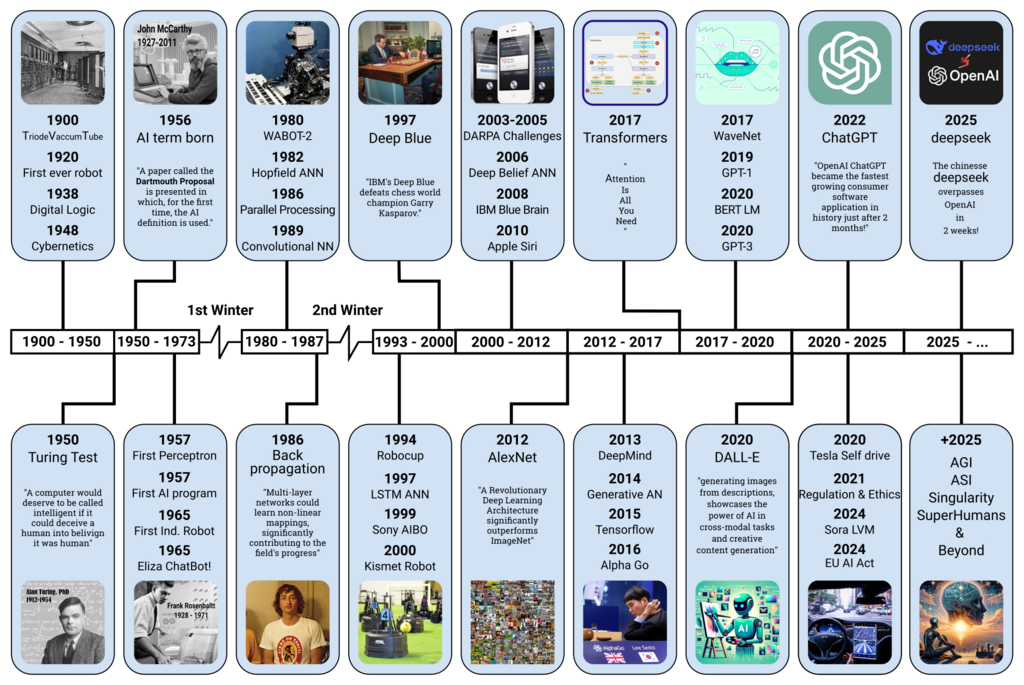
Artificial intelligence has been part of the writing process for longer than you might think. It didn't start with chatbots that can write a poem on command. Its roots are in the simple tools we've used for decades.
Think back to the first spell checkers in word processors. That was a basic form of AI, designed to spot a single type of error. Then came grammar checkers, which were a little smarter. They could identify clunky sentences or incorrect punctuation, moving beyond simple spelling mistakes.
Over time, these assistants became more sophisticated. Tools emerged that could suggest stylistic improvements, analyze the tone of your writing, and check for plagiarism. They weren't just catching errors anymore; they were helping to shape the text itself. Each step was an evolution, making the AI a more capable partner in writing.
Today, we're in the era of generative AI. These are powerful models that can do much more than just correct your work. They can brainstorm ideas with you, create a full first draft from a simple prompt, or summarize a long document in seconds. The journey has been from a simple proofreader to a creative collaborator.
How AI Helps Writers Today
Modern AI tools can assist with nearly every stage of the writing process. They act as a versatile assistant, ready to help with a variety of tasks.
-
Brainstorming and Ideation: Stuck on a blank page? AI can help. You can ask it for blog post ideas, potential titles for an article, or different angles to approach a topic. It can generate outlines to give your work structure before you even start writing.
-
Drafting: When you need to get words down quickly, AI can generate a first draft. You provide the main points and the desired tone, and the tool creates the initial text. This draft serves as a starting point that you can then refine and add your unique voice to.
-
Editing and Refining: AI is a powerful editor. It goes beyond basic grammar and spelling to improve clarity, conciseness, and flow. It can rephrase awkward sentences, suggest stronger vocabulary, and ensure your tone is consistent. Some tools can also summarize long passages to help you check if your main points are coming across clearly.
-
Optimization: For online content, AI can help with search engine optimization (SEO). It can identify relevant keywords to include in your text and analyze readability to ensure your content is easy for your target audience to understand.
Use AI as a Tool, Not a Replacement – AI enhances writing but your personal touch is irreplaceable.
Popular Tools
Many AI writing tools are available, each with different strengths. You don't need to know how they work on a technical level to use them effectively. Here’s a look at the types of tools you’ll find.
| Category | Description | Popular Examples |
|---|---|---|
| General Chatbots | Versatile tools for brainstorming, drafting, and answering questions. | ChatGPT, Google Gemini, Claude |
| Writing Assistants | Integrated tools that focus on improving grammar, style, and clarity. | Grammarly, Hemingway Editor |
| Content Generation | Specialized platforms for creating marketing copy, blog posts, and social media updates. | Jasper, Copy.ai |
| Research & Summarization | Tools that can analyze documents, extract key information, and provide summaries. | Perplexity AI, SciSpace |
Choosing the right tool often depends on your specific needs, whether you're writing an email, a novel, or a technical report. Many writers use a combination of these tools to support their workflow.
Now, let's test your understanding of how AI is used in the writing process.
According to the provided text, what is one of the earliest examples of AI used in the writing process?
How has the primary role of AI in writing evolved over time, as described in the text?
By understanding these core concepts, you're better prepared to use AI as a powerful partner to enhance your own writing.