AI for Workflow Optimization
Introduction to AI
What Is Artificial Intelligence?
Artificial Intelligence, or AI, is the science of making machines that can think and learn like humans. The goal is to create systems that can perform tasks that typically require human intelligence, such as recognizing speech, making decisions, and identifying patterns.
Think of it this way: when you teach a dog to fetch, you're not programming its every move. It learns from your commands and actions. AI works on a similar principle, but with data and algorithms instead of treats and praise.
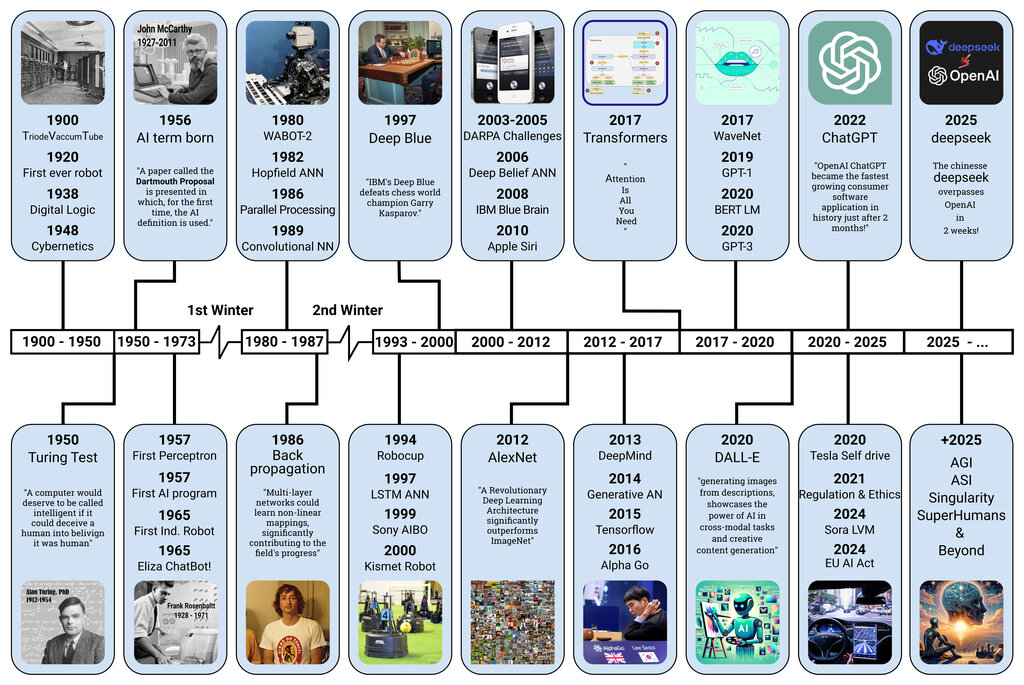
The idea isn't new. Philosophers have wondered about machine intelligence for centuries. But the modern field of AI officially began at a conference at Dartmouth College in 1956, where the term "Artificial Intelligence" was first used. Early AI research focused on problem-solving and symbolic methods. While progress was slow at first, the rise of powerful computers and vast amounts of data has led to the rapid advancements we see today.
The Building Blocks of AI
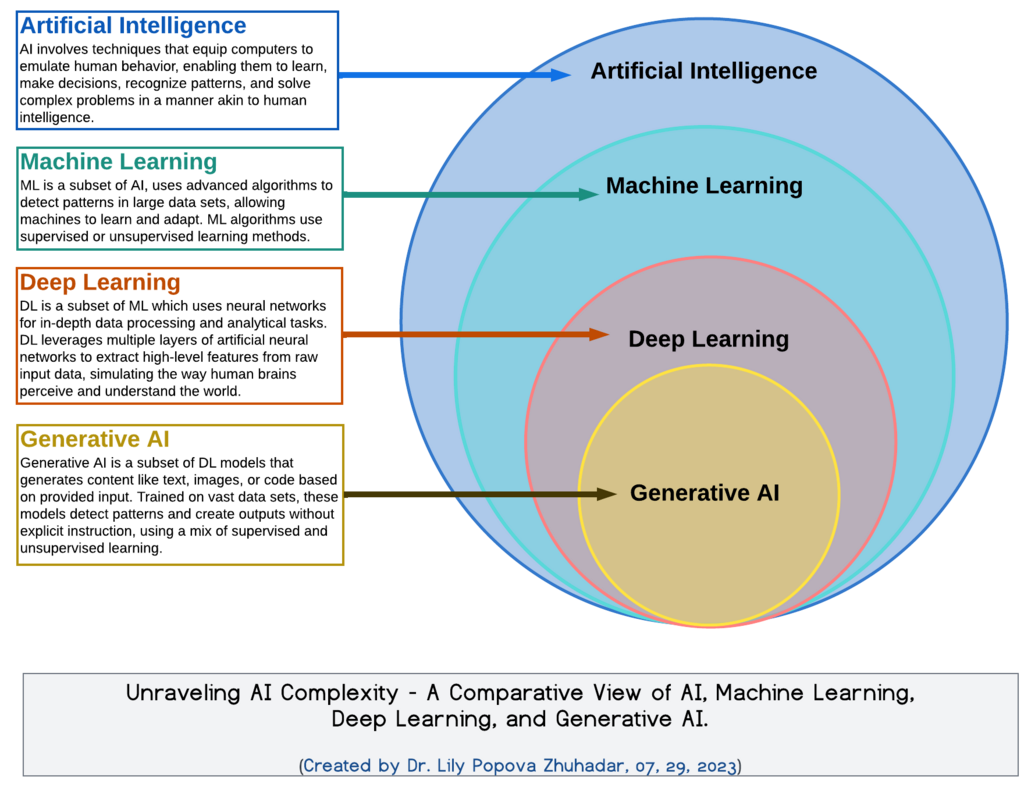
AI is a broad field with many sub-disciplines. You'll often hear terms like "machine learning" and "deep learning" used interchangeably with AI, but they refer to specific approaches within it. Understanding these distinctions is key to grasping how AI works.
Machine Learning
noun
A type of AI that gives computers the ability to learn without being explicitly programmed. Instead of following a strict set of rules, a machine learning model learns to make predictions or decisions by analyzing patterns in data.
Deep Learning is a more advanced subset of machine learning. It uses structures called neural networks, which are inspired by the human brain. These networks have multiple layers that allow the system to learn very complex patterns from huge amounts of data. Deep learning is the technology behind self-driving cars recognizing pedestrians and AI systems that can generate realistic images from a text prompt.
Natural Language Processing (NLP) is another core area of AI focused on enabling computers to understand, interpret, and generate human language. Every time you talk to a smart assistant like Siri or Alexa, or use a translation app, you're using NLP. It's the bridge between human communication and computer understanding.
AI in the Real World
AI is no longer just a concept from science fiction; it's a part of our daily lives and a powerful tool across many industries.
| Industry | How AI is Used |
|---|---|
| Healthcare | Analyzing medical images to detect diseases earlier and more accurately than the human eye. |
| Finance | Detecting fraudulent transactions in real-time and providing personalized financial advice. |
| Retail | Recommending products you might like and managing inventory to ensure items are in stock. |
| Transportation | Optimizing delivery routes for logistics companies and powering navigation apps like Google Maps. |
| Entertainment | Creating personalized movie and music recommendations on platforms like Netflix and Spotify. |
From streamlining complex processes to unlocking new creative possibilities, AI is reshaping how we work and interact with the world. This foundational knowledge of what AI is, its core components, and its current applications will help you understand its potential and how it's driving innovation everywhere.