AI for Work, Learning & Life
Introduction to AI Tools
What Is AI?
Artificial intelligence is about making computers smart. The goal is to enable machines to perform tasks that typically require human intelligence, like learning from experience, understanding language, recognizing patterns, and making decisions.
Artificial Intelligence
noun
The theory and development of computer systems able to perform tasks that normally require human intelligence, such as visual perception, speech recognition, decision-making, and translation between languages.
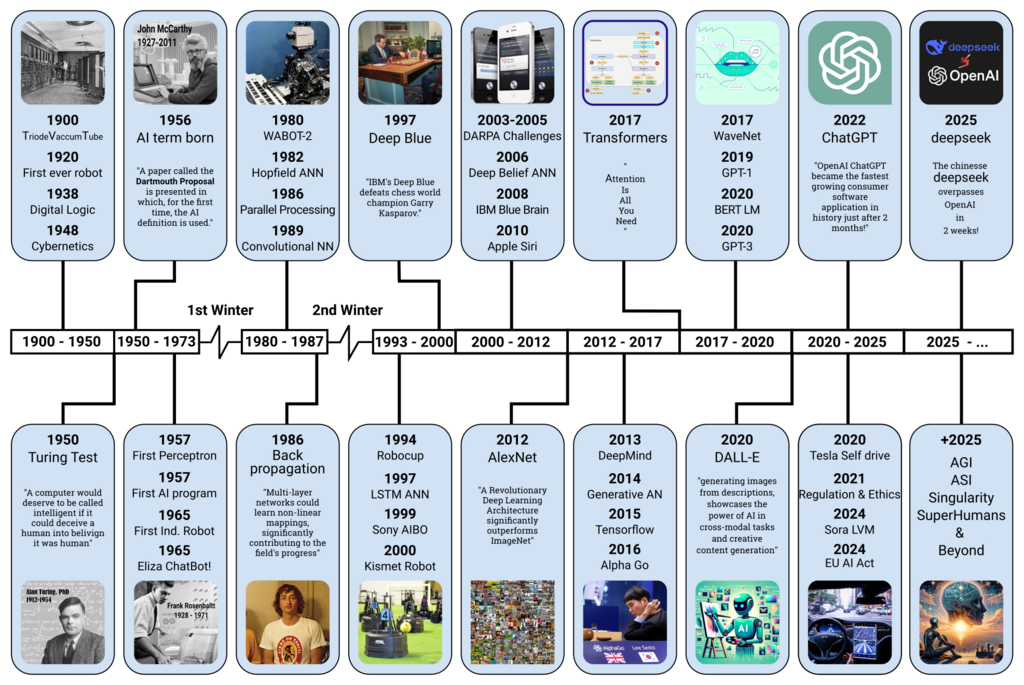
The idea isn't new. It has roots in mid-20th century science fiction and pioneering computer science. Early researchers dreamed of creating machines that could think. The term "artificial intelligence" was coined in 1956 at a workshop at Dartmouth College, which is considered the birth of AI as a field of study.
Progress came in waves. Early AI could solve logic puzzles and play checkers. In the 1990s, an AI named Deep Blue famously beat the world chess champion. Today, thanks to massive amounts of data and powerful computers, AI has become a part of everyday life.
AI in the Wild
You probably use AI every day without thinking about it. When Netflix suggests a movie you might like, that's AI. When your email filters out spam, that's AI. When a navigation app finds the fastest route around traffic, that's also AI.
Beyond personal convenience, AI is reshaping entire industries. In healthcare, it helps doctors analyze medical images to detect diseases earlier. In finance, it identifies fraudulent transactions in real-time. In agriculture, it analyzes data from drones and sensors to help farmers increase crop yields.
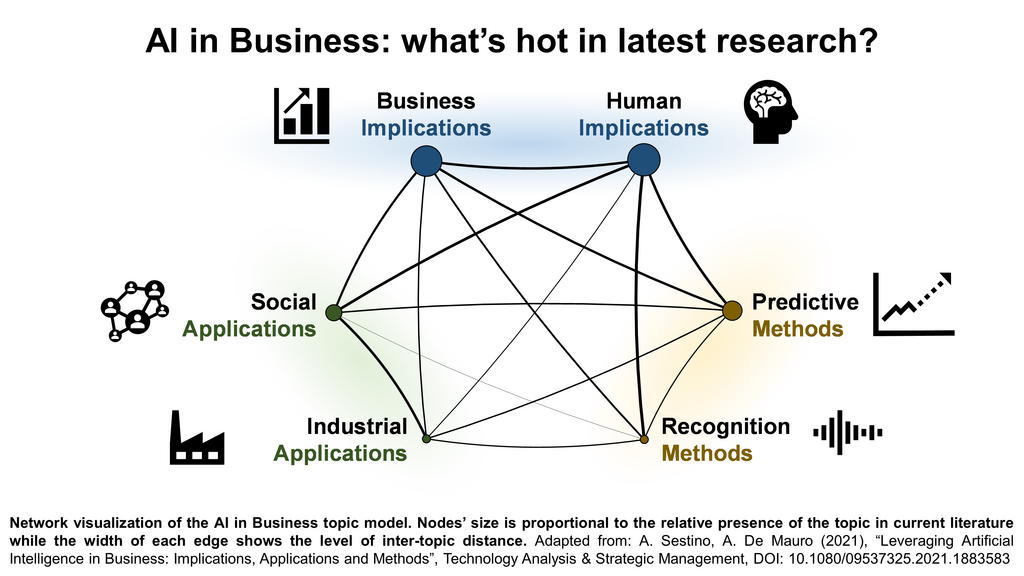
The common thread is data. AI systems learn from vast amounts of information to spot patterns and make predictions, improving their performance over time.
Your New AI Assistants
Recently, a new type of AI called generative AI has become widely accessible. These tools don't just analyze data; they create new content, like text, images, and code. This has led to a new class of tools that act as creative and productive partners.
Let's look at a couple of popular examples.
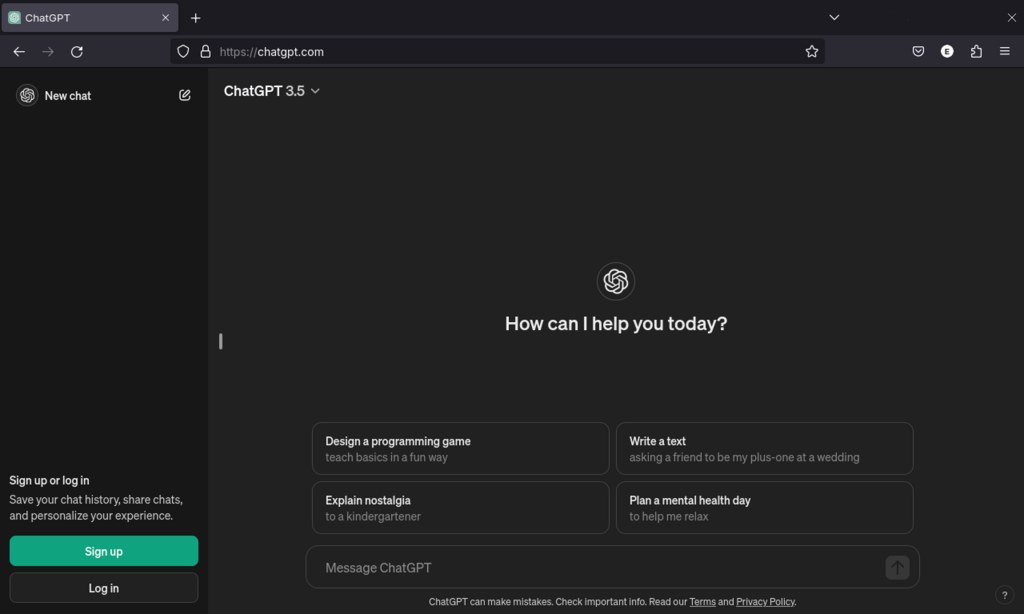
Microsoft Copilot Chat is a conversational AI designed to be your work assistant. You can ask it questions in plain language, and it can help you with tasks like drafting emails, summarizing long documents, brainstorming ideas, or planning a project. Think of it as a research assistant and a writing partner rolled into one.
Canva is another tool that uses AI to make design accessible to everyone. Traditionally, creating a professional-looking graphic required design skills and complex software. Canva's AI features simplify this process dramatically.
Its "Magic Design" tool can generate a complete presentation or social media post from a single text prompt. You just describe what you want, and Canva creates a series of customizable designs. It can also help you write text for your designs or even generate unique images from a description.
Using AI Responsibly
As these tools become more powerful, it's important to think about how we use them. AI is a tool, and like any tool, it can be used in helpful or harmful ways.
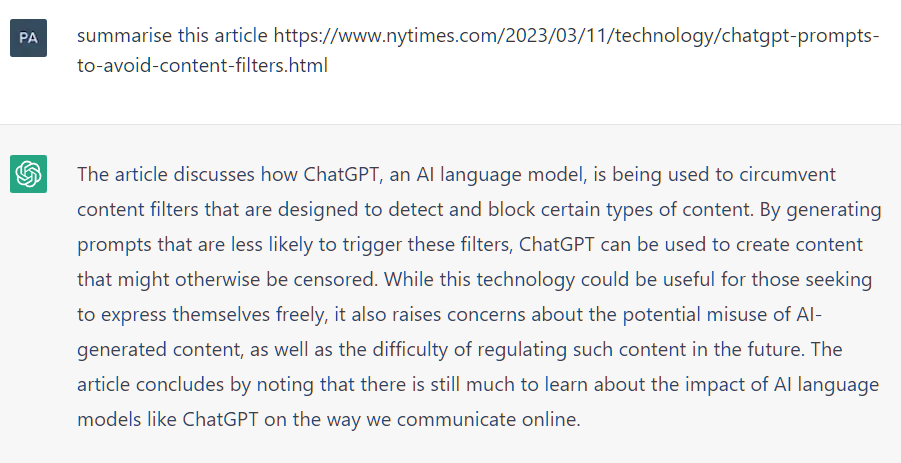
One key issue is accuracy. AI models can sometimes produce incorrect or nonsensical information, an issue often called "hallucination." It's always a good idea to fact-check any information an AI gives you, especially when using it for important work or school projects.
Another consideration is bias. AI systems learn from data created by humans, and if that data contains biases, the AI can learn and even amplify them. This can lead to unfair or skewed outcomes. Finally, it's important to be transparent. If you use an AI tool to help you create something, it's good practice to disclose that.
Thinking critically about the AI's output is just as important as crafting the perfect prompt. Use it as a starting point, not a final answer.
Ready to test your knowledge?
What is the primary goal of Artificial Intelligence?
The term "artificial intelligence" was officially coined at a workshop that is now considered the birth of the field. In what year did this event take place?
Understanding these basics sets you up to explore AI tools confidently. By using them thoughtfully, you can enhance your creativity and productivity in almost any area of your life.