AI for Viral Content Creation
Introduction to AI in Content Marketing
The New Content Playbook
Content marketing used to be a manual grind of brainstorming, writing, and guessing what might go viral. Marketers relied on intuition and basic analytics to guide their strategy. Today, Artificial Intelligence (AI) has completely rewritten the playbook. It's shifting the focus from guesswork to data-driven precision, changing how we create and share content.
This evolution isn't about robots taking over. It's about empowering marketers with tools that can analyze vast amounts of data, understand audience behavior on a deep level, and automate tedious tasks. The result is a more efficient, personalized, and effective approach to reaching people.
What's Under the Hood?
AI is a broad term, but in content marketing, it usually refers to a few key technologies working behind the scenes. The two most important are Machine Learning and Natural Language Processing.
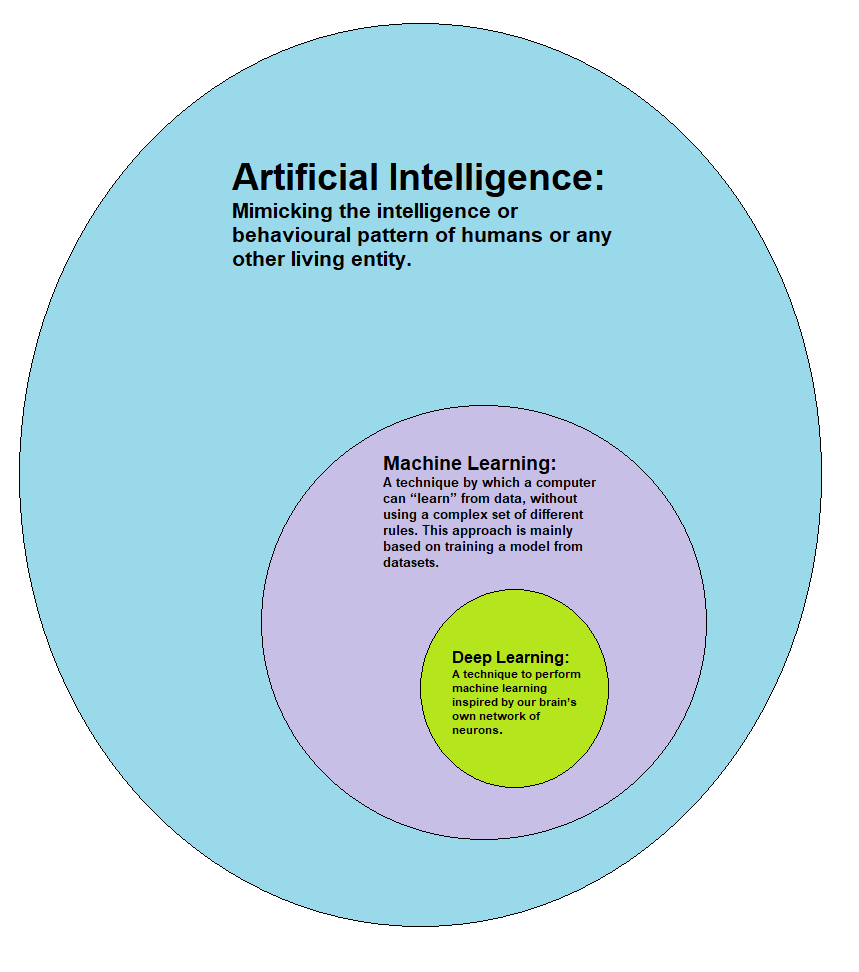
Machine Learning (ML) is a type of AI where systems learn from data to identify patterns and make decisions with minimal human intervention. Think of it like a streaming service's recommendation engine. It doesn't have a list of movies you'll like. Instead, it learns your preferences by analyzing what you watch, and then predicts other movies you might enjoy. In marketing, ML can predict which blog topics will perform best or which customers are most likely to engage with an ad.
Natural Language Processing (NLP) is what allows computers to understand, interpret, and generate human language. If you've ever used a chatbot, a translation app, or voice-to-text, you've seen NLP in action. For content marketers, NLP is a game-changer. It can analyze customer comments for sentiment, generate article drafts from a few keywords, or even optimize a headline for better click-through rates.
The AI Advantage
Integrating AI into a content strategy isn't just a trend; it offers clear benefits that can make the difference between content that gets ignored and content that goes viral.
One of AI’s most impactful contributions to marketing is automation, freeing marketers from repetitive, time-consuming tasks.
First, there's efficiency. AI automates repetitive tasks like keyword research, performance tracking, and even writing first drafts of social media posts or emails. This frees up marketers to focus on bigger-picture strategy and creativity.
Next is personalization at scale. AI can analyze data from thousands or even millions of users to deliver content tailored to individual interests. This means sending the right blog post to the right person at the right time, making marketing feel less like a broadcast and more like a one-on-one conversation.
Finally, AI enables data-driven decision-making. Instead of relying on a gut feeling, marketers can use AI to analyze performance data and get clear insights on what works. AI can identify which topics resonate most with an audience, what content formats drive the most engagement, and how to optimize future content for better results.
Navigating the Challenges
While powerful, AI is not a magic bullet. Using it responsibly requires careful thought about ethical considerations.
Data privacy is a major concern. Personalization relies on customer data, and businesses have a responsibility to collect, store, and use that information ethically and transparently. Building trust with your audience means being upfront about how their data is used.
Another challenge is algorithmic bias. AI systems learn from the data they're given. If that data contains historical biases, the AI will learn and perpetuate them. For example, if an AI is trained on marketing materials that only feature a certain demographic, it might incorrectly conclude that other demographics aren't interested in the product.
Finally, there's the risk of losing authenticity. Over-reliance on AI can lead to content that feels generic or robotic. The human touch—creativity, empathy, and storytelling—remains essential.
The most effective AI strategies use technology to enhance human creativity, not replace it. Always have a human review and refine AI-generated content to ensure it aligns with your brand's voice and values.
Ready to check your understanding of how AI is shaping content marketing?
What is the primary shift AI has caused in content marketing strategy?
Which AI technology is primarily responsible for allowing computers to understand, interpret, and generate human language?
AI offers incredible tools for making content marketing smarter and more effective. By understanding the core technologies and using them ethically, marketers can create content that truly connects with their audience.