AI for Venture Capitalist Productivity
Introduction to AI in Venture Capital
A New Partner for Investors
Venture capital has always been about spotting the future before it arrives. Investors place bets on young companies they believe will grow into the next big thing. For decades, this process relied on experience, intuition, and personal networks. But today, VCs have a new tool that's changing the game: Artificial Intelligence.
AI isn't replacing the human element of investing. Instead, it’s becoming a powerful partner. It can analyze massive amounts of information, find patterns invisible to the human eye, and automate tedious tasks. This frees up investors to do what they do best: build relationships with founders and think strategically about the future.
Think of AI as a super-powered analyst, capable of sifting through mountains of data to find the hidden gems.
What Is AI, Really?
At its core, Artificial Intelligence is about creating systems that can perform tasks that typically require human intelligence. This includes learning, reasoning, and problem-solving. For venture capital, the most important branch of AI is machine learning.
Machine learning allows computers to learn from data without being explicitly programmed. Imagine teaching a child to recognize a cat. You don't list out rules like "has pointy ears, fur, and a tail." You just show them pictures of cats, and they eventually learn to identify one on their own. Machine learning works similarly, but it can analyze millions of "pictures"—or in a VC's case, data points—in seconds.
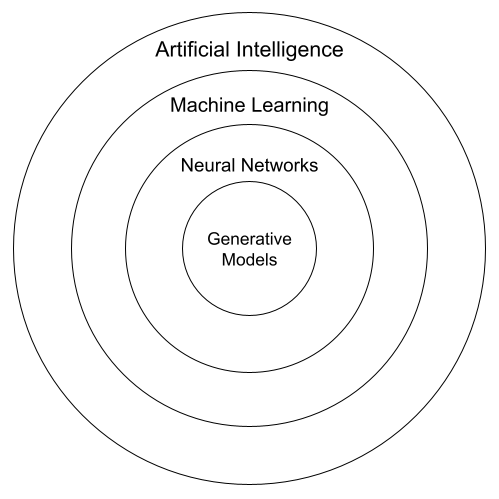
The fuel for this process is data analytics. The more data an AI model has, the better it becomes at spotting trends, making predictions, and offering insights. VCs are now using this capability to make smarter, faster, and more data-driven decisions.
AI Across the Investment Lifecycle
AI is making an impact at every stage of the venture capital process, from finding new companies to managing existing investments.
1. Finding New Deals Before AI, finding startups often depended on who you knew. Now, AI systems can scan the entire digital universe—news articles, patent filings, social media, and industry databases—to find early signals of a promising company. This widens the net and helps uncover opportunities that might otherwise be missed.
AI is transforming that by filtering through millions of data points across platforms—Crunchbase, AngelList, GitHub, LinkedIn, Twitter, news publications, and even pitch competitions—to bring you startups that fit your investment thesis.
2. Conducting Due Diligence Due diligence is the process of vetting a potential investment. It traditionally involves manually reviewing countless documents, from financial statements to legal contracts. AI can automate much of this, quickly analyzing documents, assessing market trends, and flagging potential risks.
AI can streamline due diligence by automating complex tasks like assessing financial reports, legal documents, and market trends, and highlighting innovation opportunities and red flags.
3. Managing the Portfolio After an investment is made, VCs need to track the company's progress. AI-powered tools can monitor key performance indicators, analyze market sentiment, and provide early warnings if a portfolio company is struggling. This allows investors to offer support when it's needed most.
By automating data-heavy tasks and providing deeper insights, AI helps venture capitalists enhance their productivity and focus on the strategic decisions that drive success.
Now let's check your understanding of these core concepts.
According to the provided text, which branch of AI is most crucial for venture capital?
True or False: The primary goal of implementing AI in venture capital is to completely replace human intuition and experience in decision-making.
By handling the heavy lifting of data analysis, AI is not just changing how VCs work; it's elevating the entire practice of venture capital.