AI for UX Design Fundamentals
Introduction to AI and UX
What Is Artificial Intelligence?
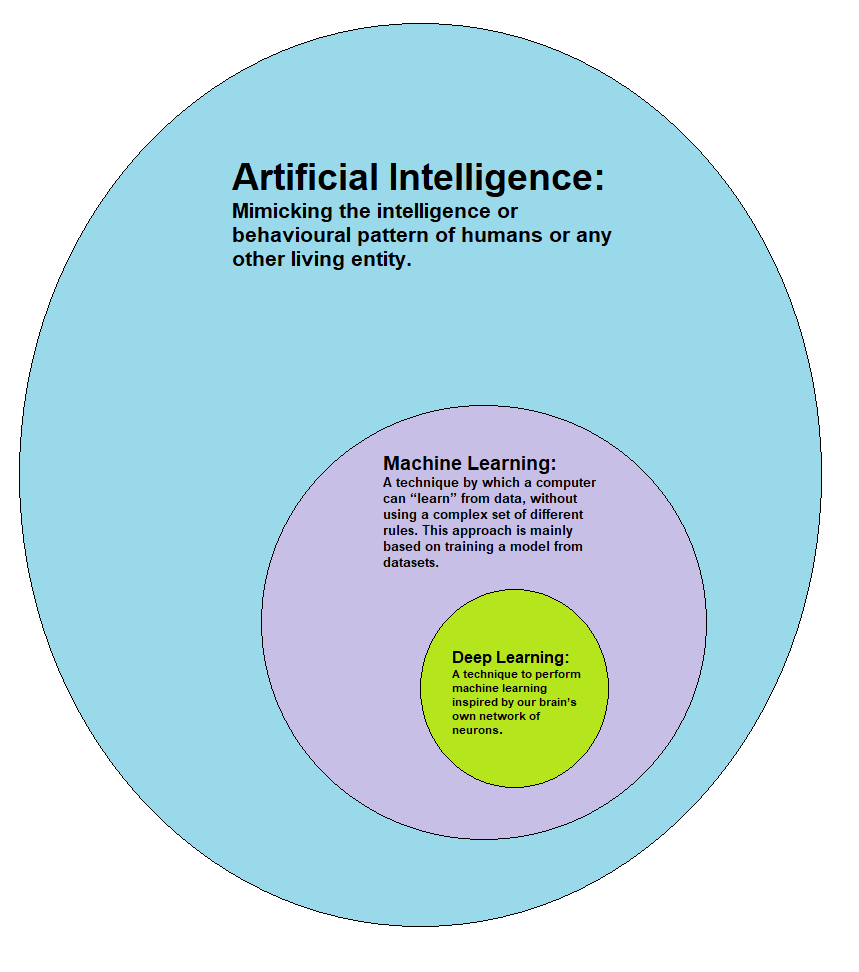
Artificial Intelligence, or AI, is the science of making computers do things that normally require human intelligence. This includes tasks like learning from experience, understanding language, recognizing objects, and solving problems. It's not about creating robots that look like us, but about building systems that can think and adapt.
The idea isn't new. It has roots in the 1950s, when pioneers like Alan Turing first asked if machines could think. Early AI was based on hard-coded rules, trying to mimic human logic step-by-step. Today, AI has evolved. Modern systems often use machine learning, a process where they learn directly from data instead of being explicitly programmed for every task. They find patterns on their own, improving as they get more information.
The Heart of UX Design
User Experience (UX) design is all about how a person feels when using a product, like a website or an app. Is it easy to use? Does it solve their problem? Is it a pleasant experience? A UX designer's job is to answer "yes" to all of these questions.
User Experience
noun
The overall experience a person has when using a product or service, especially in terms of how easy or pleasing it is to use.
Think of a poorly designed door that you try to pull when you're supposed to push. That brief moment of confusion and frustration is a bad user experience. Good UX is the opposite. It's so seamless you barely notice it. The core principles are about creating products that are:
- Useful: It solves a real need.
- Usable: It's easy to figure out and efficient to use.
- Enjoyable: It feels good to interact with.
Good design is invisible. It guides you naturally without making you think about how to use the tool itself.
When AI Meets UX
Traditionally, UX designers relied on user research, like interviews and surveys, to understand what people need. This process can be slow and is limited by the number of people you can talk to. This is where AI changes the game.
AI can analyze huge amounts of data about how people actually use a product. It can spot patterns in clicks, taps, and scrolling behavior that a human might miss. This allows for a deeper understanding of user needs, leading to more intuitive and personalized designs.
AI’s role in UX design should be viewed as a partnership rather than a replacement.
Instead of designing one experience for everyone, AI allows us to design an experience that adapts to each individual. It can personalize content, simplify complex choices, and even anticipate what a user might want to do next. This creates a much more powerful and human-centered interaction.
AI in Action
The fusion of AI and UX isn't just a theory; it's already part of our daily lives. When you open Netflix and see recommendations for shows you might like, that's AI personalizing your experience based on your viewing history.
Another powerful example is conversational interfaces. Chatbots and voice assistants like Siri and Alexa use AI to understand natural language. This allows us to interact with technology by simply talking, which is a far more natural experience than clicking through menus.
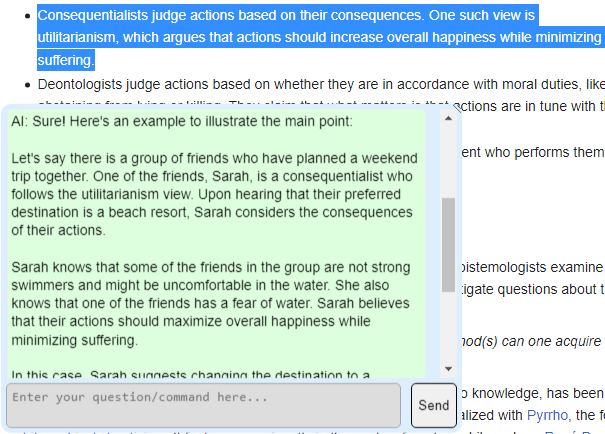
Even small features, like the predictive text on your phone's keyboard, are a form of AI-driven UX. The system learns your writing style and suggests the next word, saving you time and effort with every message you send. These applications show how AI, when guided by the principles of good UX, can make technology feel less like a machine and more like a helpful partner.
What is the primary goal of integrating Artificial Intelligence (AI) into User Experience (UX) design?
True or False: Early AI systems from the 1950s learned from large datasets in much the same way modern AI does.