AI for the Visually Impaired
Introduction to Visual Impairments
Understanding Vision Loss
Visual impairment is a broad term that describes any kind of vision loss, from mild to severe. It’s not just about seeing darkness; it’s a spectrum of experiences. For some, it might mean blurry text that a strong pair of glasses can't fix. For others, it could be a complete loss of sight.
We generally group visual impairments into two main categories: low vision and blindness. People with low vision have some usable sight, but they might struggle with everyday tasks like reading, recognizing faces, or navigating new places. Blindness refers to a substantial loss of vision. This can mean a total inability to see light, or it can be a clinical definition.
Someone is considered "legally blind" in the U.S. if their best-corrected vision is 20/200 or less, or if their visual field is 20 degrees or less. This means they see at 20 feet what someone with standard vision sees at 200 feet.
What Causes Visual Impairment?
Vision loss can happen for many reasons, from medical conditions to injuries. Some of the most common causes are related to age and chronic diseases.
| Cause | How it Affects Vision |
|---|---|
| Cataracts | The lens of the eye becomes cloudy, causing blurry vision. |
| Glaucoma | Damage to the optic nerve, often leading to a gradual loss of peripheral (side) vision. |
| Macular Degeneration | Affects the central part of the retina, making it hard to see fine details straight ahead. |
| Diabetic Retinopathy | A complication of diabetes that damages blood vessels in the retina, causing spotty or blurred vision. |
Other causes include genetic conditions passed down through families, infections, and physical injuries to the eyes or the parts of the brain that process vision. The specific way a person’s sight is affected depends entirely on the underlying cause.
Everyday Challenges
Living with a visual impairment brings a unique set of challenges that can impact independence and daily life. Simple tasks that many people take for granted often require different strategies.
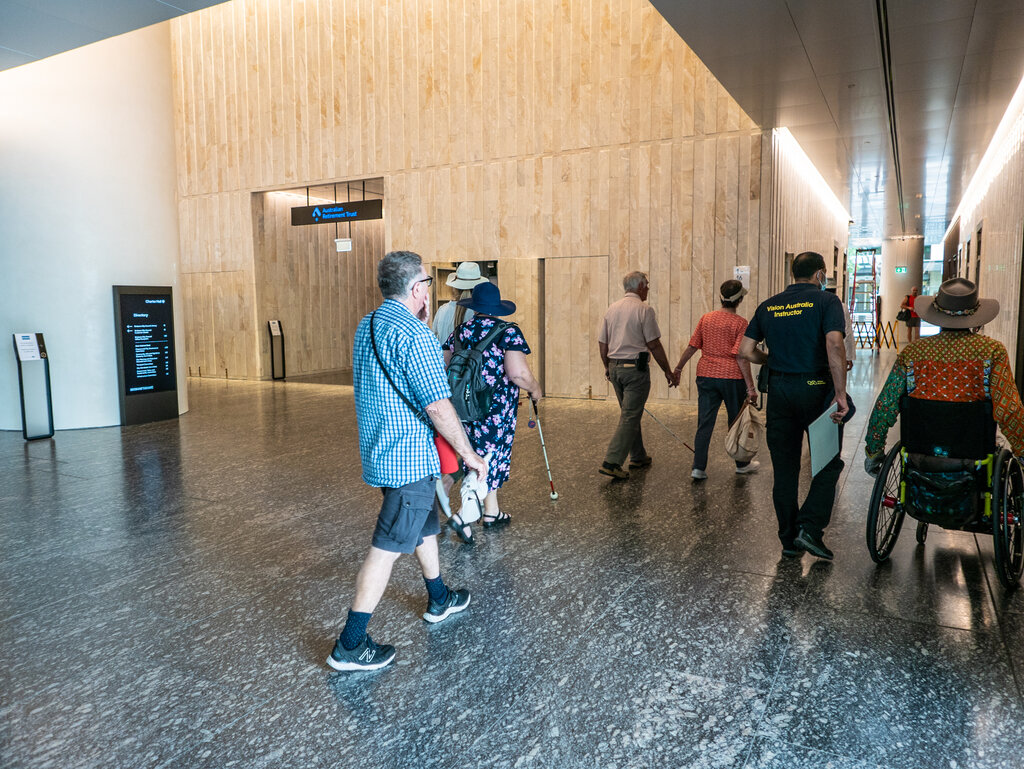
Mobility is a major consideration. Navigating an unfamiliar neighborhood, crossing a busy street, or even finding the right door in a hallway can be difficult. It involves creating a mental map of the surroundings and relying on other senses, like hearing and touch, to stay safe.
Accessing information is another hurdle. Reading books, signs, websites, or text messages can be impossible without some form of adaptation. Social interactions can also be affected, as visual cues like facial expressions and body language are often missed.
Understanding these challenges is the first step toward appreciating how technology and thoughtful design can create a more accessible world for everyone.